The “dress watch”, or the discreet art of dressing well on the wrist
There are watches that stand out for their performance, technique, build… This is the case for tool watches. And then there are those who almost apologize for existing, so delicate, silent and obvious are they. There dress watch belongs to this second family: a watch designed to accompany a suit, a tuxedo, an impeccable shirt, without ever stealing the spotlight. She is not looking for a demonstration. It aims for accuracy.
The paradox is that this discretion is precisely what makes it fascinating. Because behind an apparent simplicity hides a coded language: proportions, thickness, finish of the dial, sobriety of the complications, choice of bracelet. A good dress watch is a bit like a weathered Oxford or a perfectly cut jacket: it’s especially noticeable when it’s poorly chosen.
Definition: what is a dress watch?
The simplest definition is in one sentence: a dress watch is a watch elegant, fine and minimalistdesigned for formal occasions. But the idea goes beyond the “formal”. Historically, the dress watch was born in a culture where we dress to go out, dine, travel, work — and where we consider that an instrument for measuring time must respect a certain restraint.
In its DNA, we find three principles:
- Discretion : it should not attract attention before the outfit.
- Comfort : it must pass under a shirt cuff without catching.
- Balance : readability, finesse, elegance of details.
1) Finesse above all
The first criterion is thethickness. A successful dress watch is forgotten: it slips under the sleeve. Ideally, we aim for a fine watch, often around 6 to 9mm depending on the movement. The thickness depends on the construction of the caliber (manual or automatic, micro-rotor, etc.) and the presence — or not — of complications.
2) Sober proportions (diameter and presence on the wrist)
The dress watch is not a competition of millimeters. She favors harmony. Common diameters are often between 36 and 40mmbut the number is not everything: the lug-to-lug length, the shape of the case and the dial opening completely change the perception.
A simple guideline: if the watch “dominates” the hand or captures all the attention, it is already out of the dress register.
3) A refined dial, sometimes almost austere
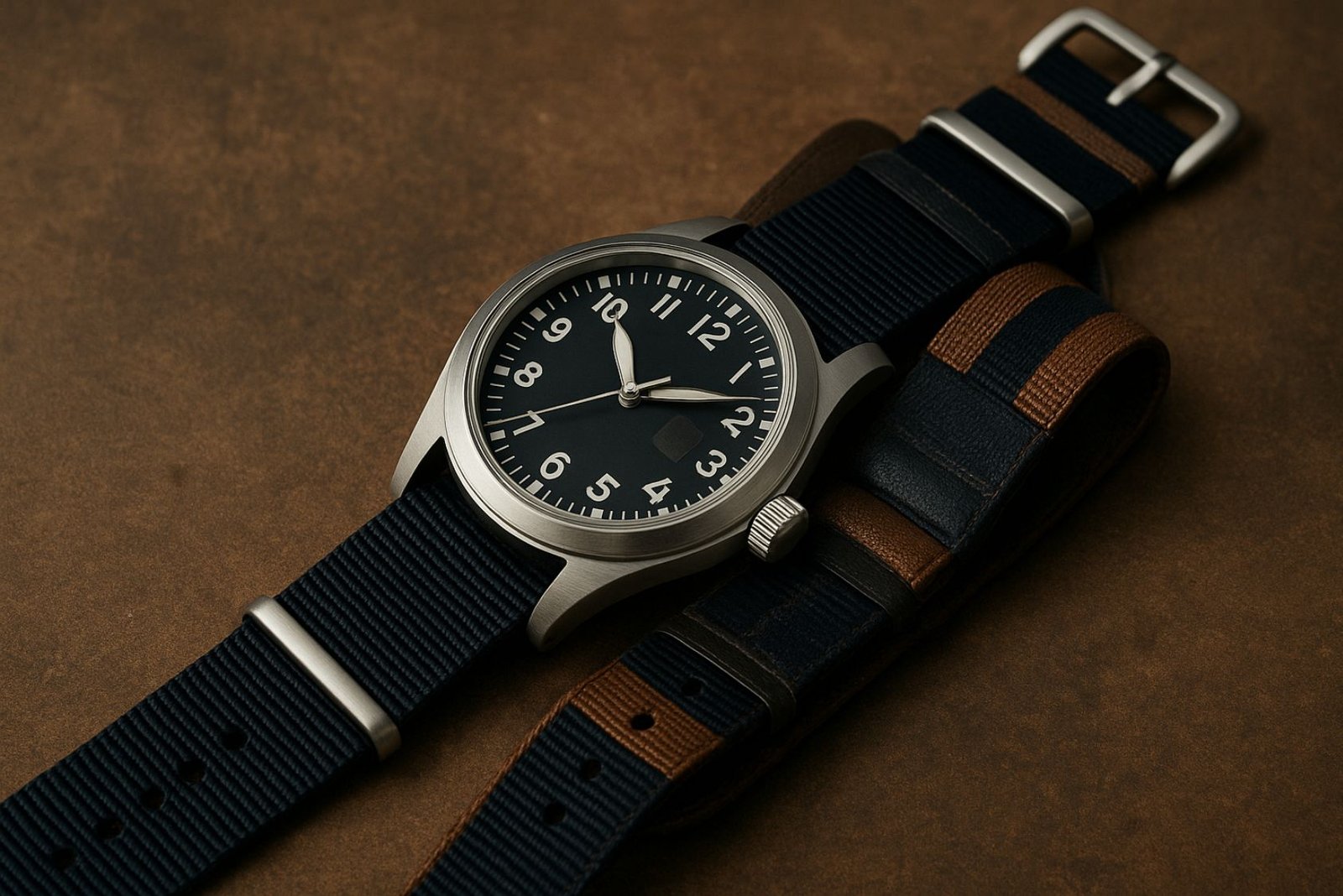
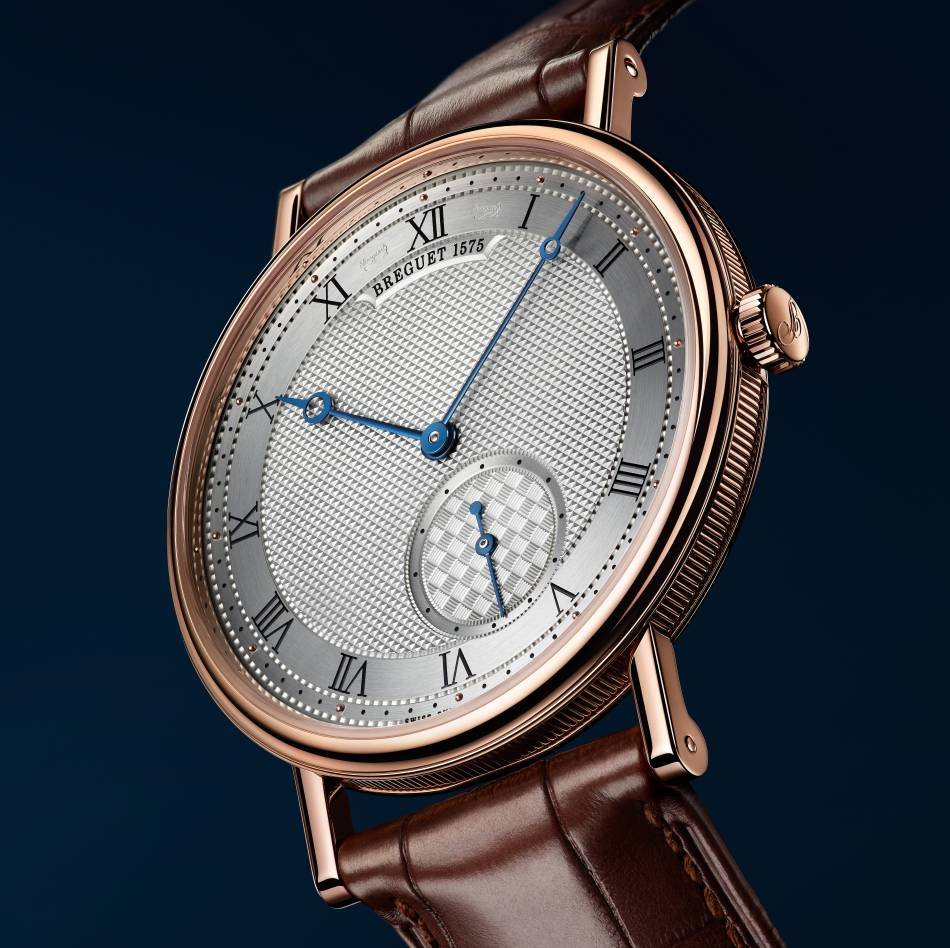
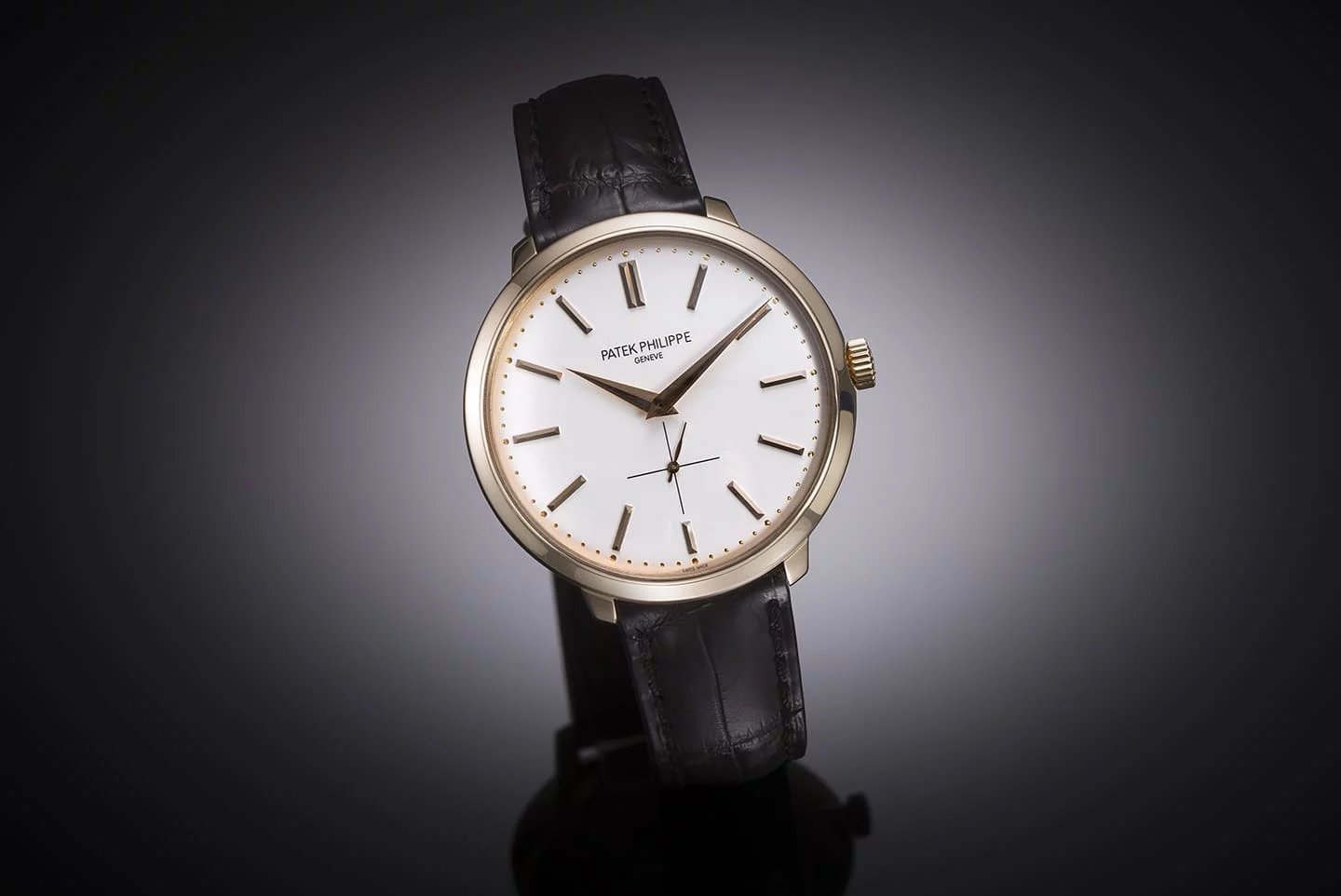
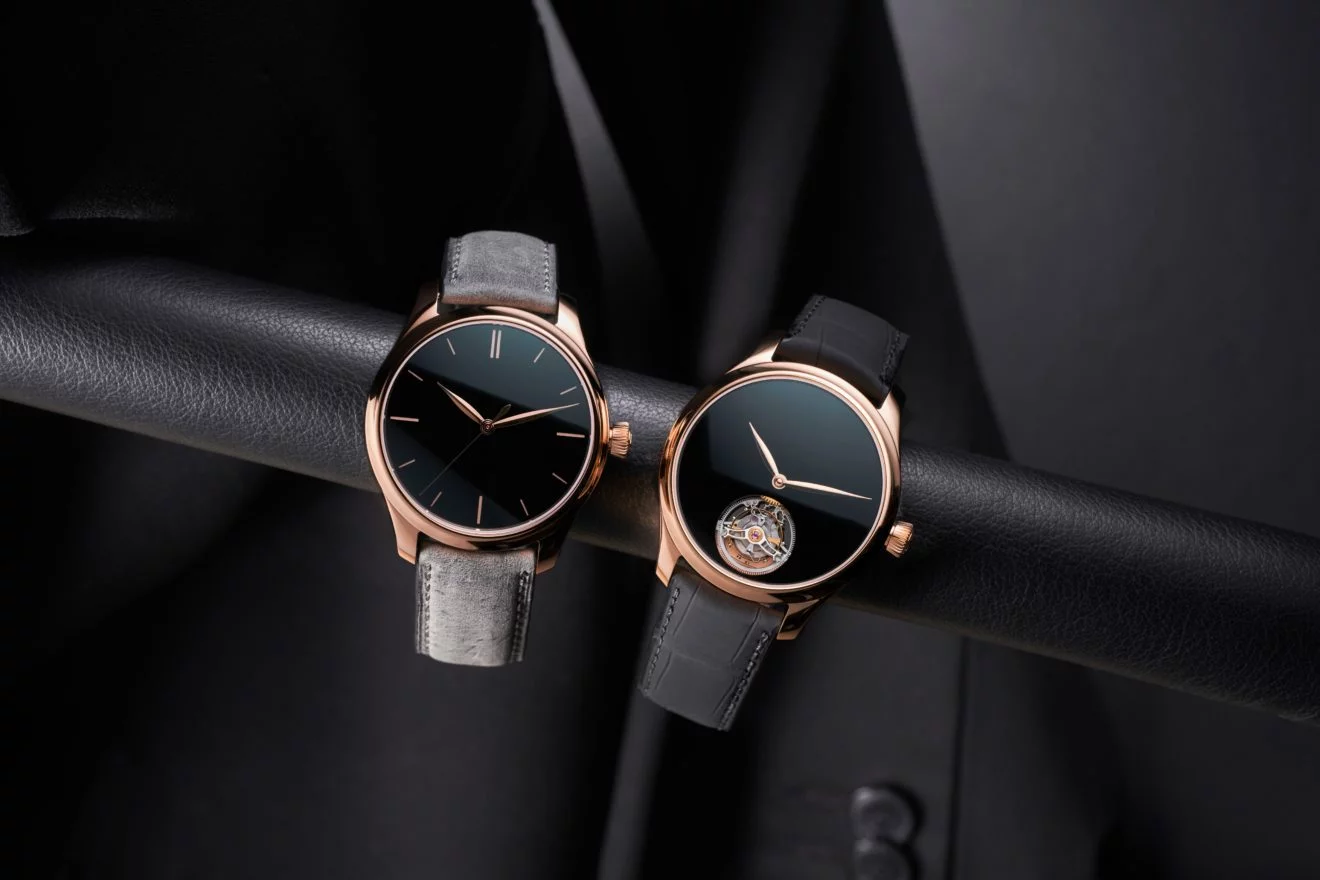
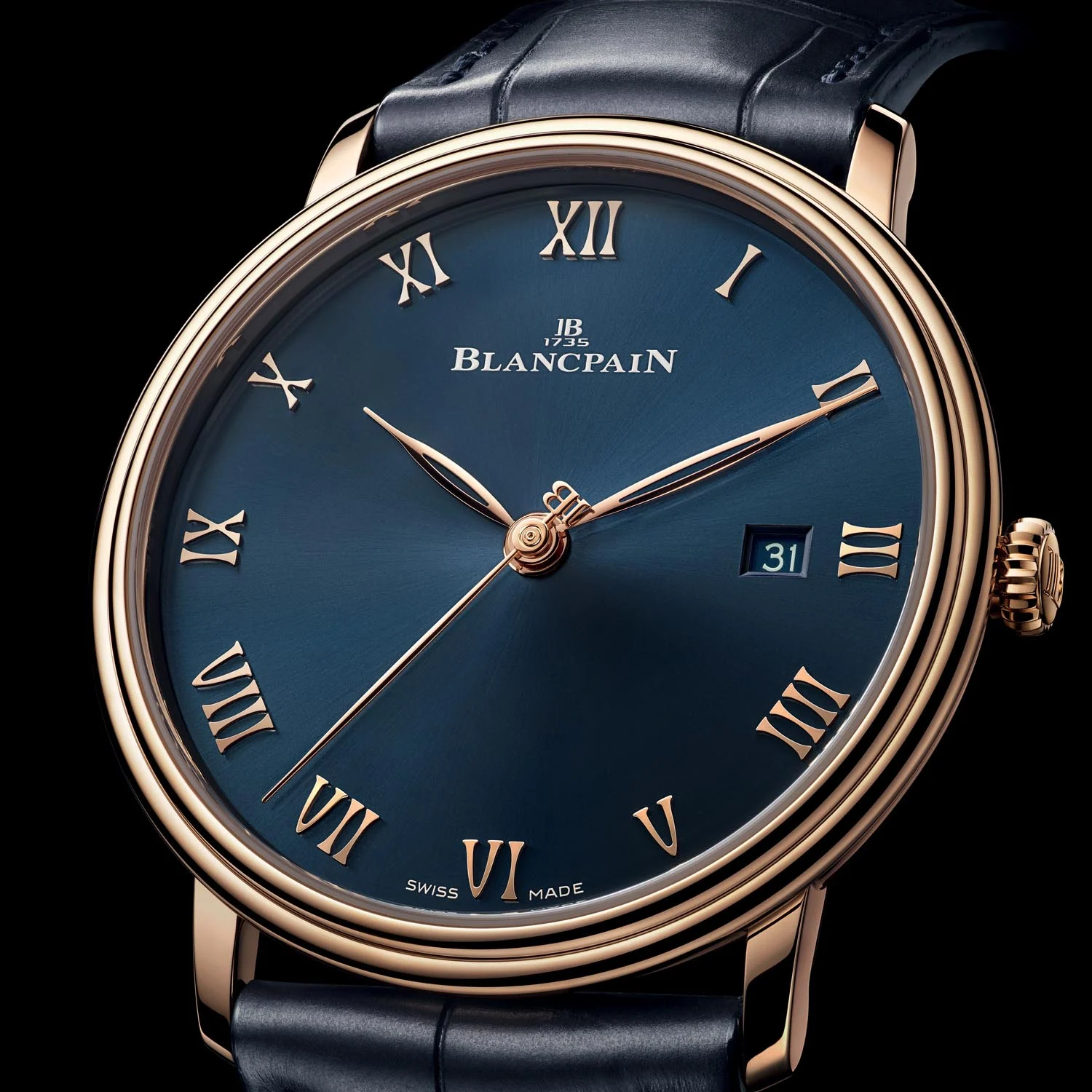
The dial of a dress watch is generally simple : two or three hands, applied or printed indexes, fine minute track, discreet logo. Classic colors — white, cream, silver, black — dominate, but contemporary elegance has opened the door to shades of midnight blue, anthracite, champagne.
This minimalism does not prohibit sophistication. On the contrary: it is often in the detail that the difference is made – graining, sunburst, lacquer, faceted indexes, dauphine or leaf hands, mirror polish of a disarming sobriety.
4) The case: polished, simple, well designed
The dress watch favors a case with lines pure. Polish is common (or a very subtle polished/satin mixture). Thin glasses, elegant horns and a contained profile are recurring signatures. Steel is king for its versatility, gold and platinum for a more ceremonial register, but the main thing remains overall coherence.
5) The leather bracelet, an (almost) immutable rule
Traditionally, the dress watch is worn on leather : alligator, veal, cordovan. Classic colors: black (tuxedo, very formal events), brown (suit, everyday chic), burgundy or midnight blue for a more marked personality. A fine pin buckle or a discreet folding clasp complete the ensemble.
Can it be worn on steel? Yes, if the design is designed for (elegant integrated bracelet, fine links, absence of “sport” effect). But in the collective imagination, leather remains the basic grammar.

Movement: manual or automatic? The question of “dress” at the heart of mechanics
The dress watch has a special relationship with mechanics. Many of the most cult models are animated by manual movements : they allow remarkable finesse, and the gesture of daily winding adds an intimate, almost ritual dimension — very “dressed spirit”.
THE automatic are obviously legitimate, especially when they are designed to remain thin (micro-rotor, optimized architecture). Please note: the interest of a transparent background is not incompatible with the genre, provided it remains elegant. A well-decorated caliber – ribbing, beveling, perlage – gives relief to what, on the dial side, emphasizes restraint.

Complications: which ones stay “dressy” and which ones switch to sport-chic
The complication must remain a whisper. On a dress watch, certain functions are perfectly natural:
- Small seconds : classic, balanced, often very “vintage”.
- Date : acceptable if it is well integrated (discreet counter, harmony of colors).
- Moon phase : poetic, very elegant if the dial remains clean.
- Power reserve : possible, provided it is not cluttered.
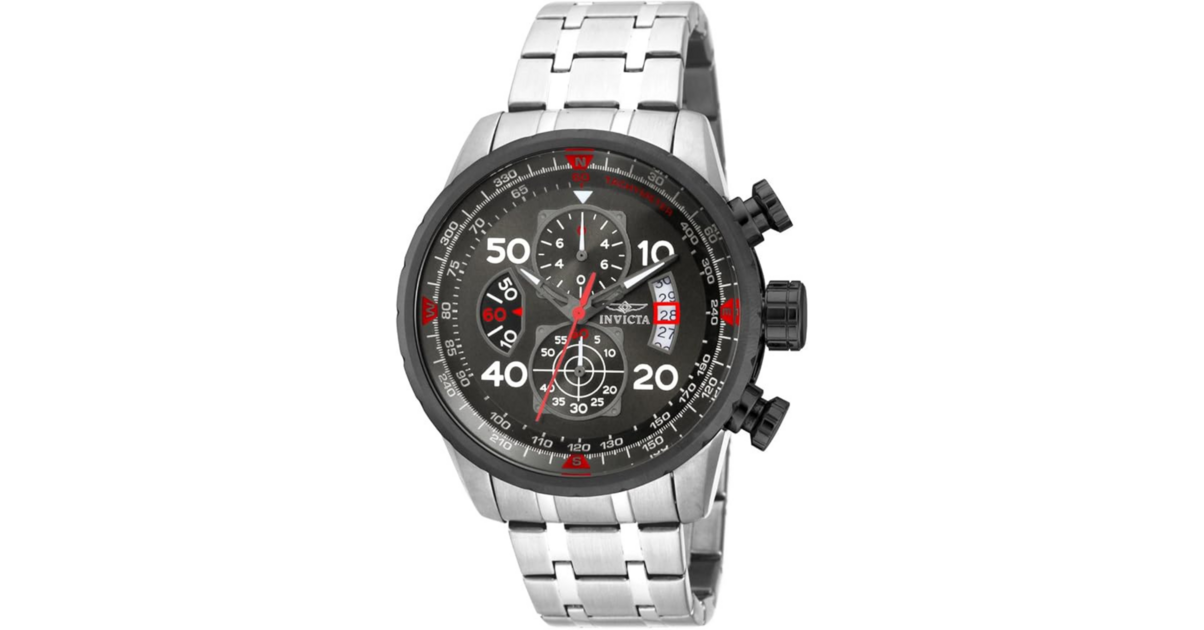
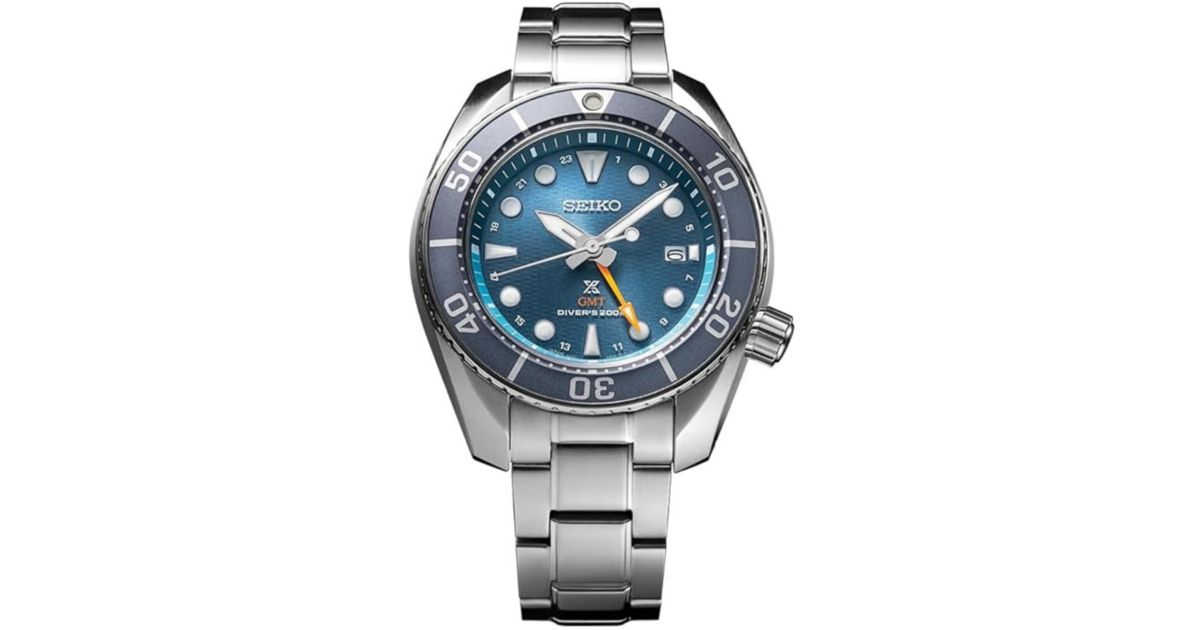
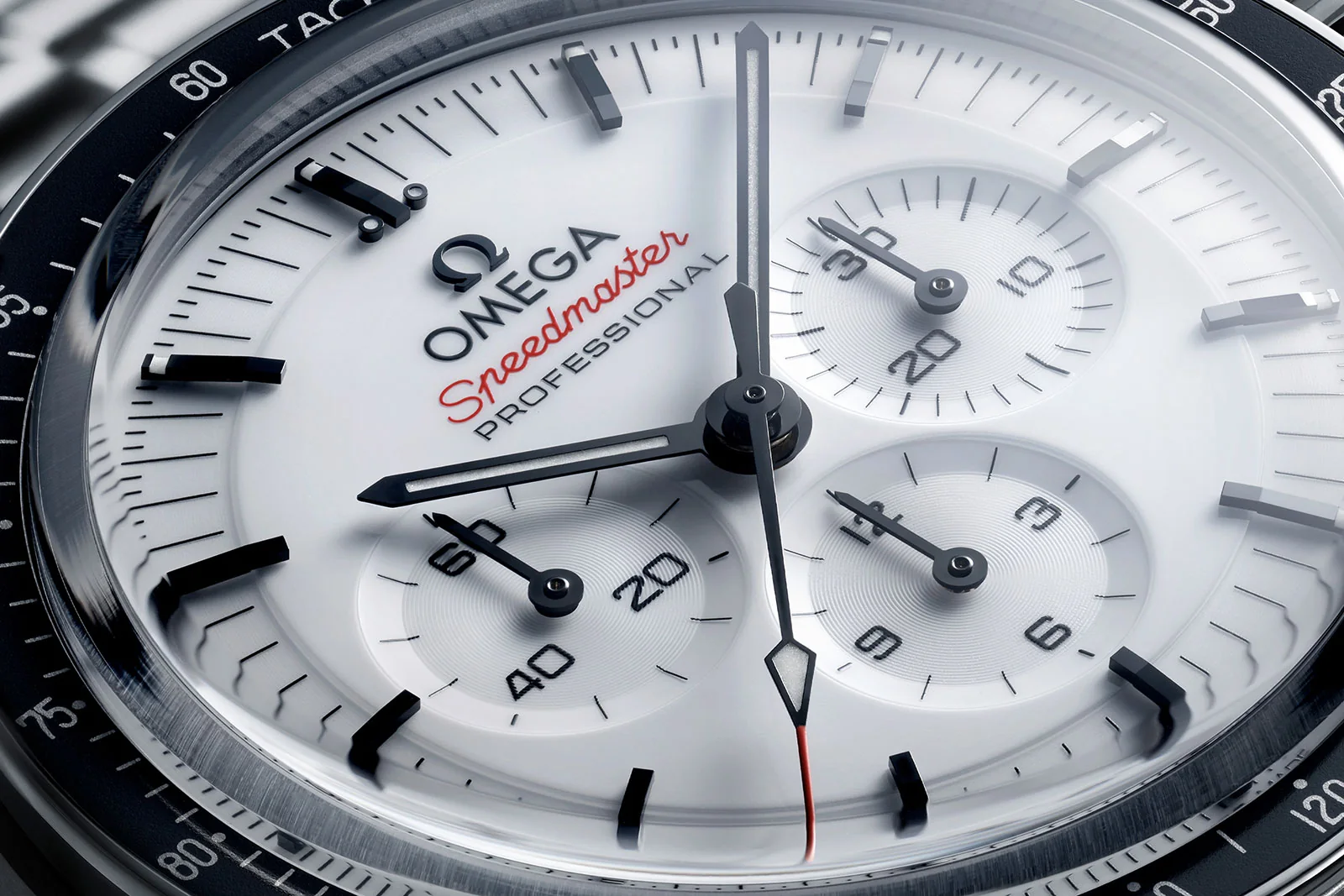
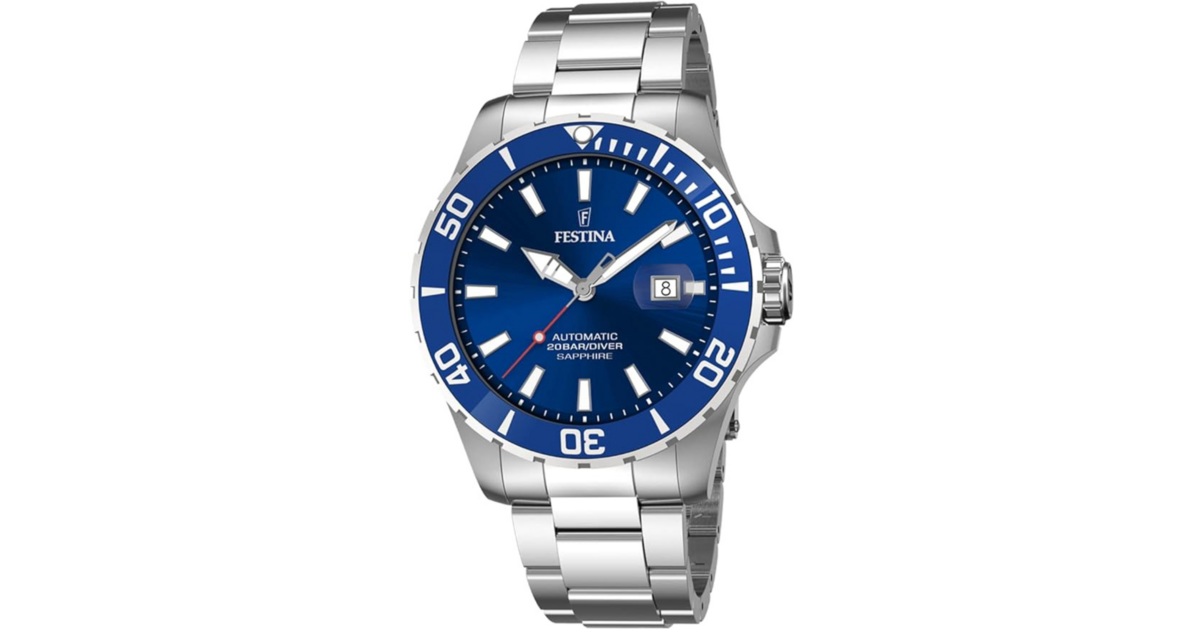
Conversely, a thick chronograph, a rotating bezel, water resistance displayed like a trophy or an overly busy dial quickly cause the watch to slide towards the sport-chic or the “statement” document. Nothing wrong with that — it’s just no longer a dress watch in the strict sense.

A little history: from etiquette to modern minimalism
The notion of a dress watch is rooted in a time when etiquette dictated usage: city watch for the day, more precious watch for the evening. The 1950s and 1960s were a golden age: fine cases, balanced dials, delicate indexes. At that time, the watch did not need to be a “tool” — it had to be just.
Then came the rise of sports watches, the explosion of sizes in the 2000s, and a certain cult of presence. Today, the dress watch returns, driven by a desire for sobriety, silhouetteand by the rediscovery of a less demonstrative luxury. It’s also a response to the times: when everything shouts, true chic whispers.

- Aim for finesse : prioritize a watch that fits effortlessly under your sleeve.
- Take care of the size : elegance is often between 36 and 40 mm, depending on your wrist.
- Prefer readability : clear indexes, contrasting hands, absence of overload.
- Look at the finishes : This is where minimalism gains value.
- Choose quality leather : an average bracelet sometimes ruins a very beautiful watch.
- Think about your locker room : black for formal, brown for versatile, dark shades for contemporary.
Dress watch vs “everyday watch”: the line is thinner than you think
In the past, the dress watch was strictly reserved for occasions. Today, it can become an everyday watch — especially if your style is urban, minimalist, or if you favor elegance over raw performance. The limit often comes down to two points: waterproofing (sometimes modest) and general resistance to shocks/activities.
But that’s also the beauty of the genre: wearing a dress watch on a Tuesday is affirming a way of experiencing time. Calmer, more chosen.
Why the dress watch remains an essential piece
Because it reminds us that sophistication rarely comes from exaggeration. The dress watch is a watch culture : culture of detail, good taste, proportion. She doesn’t give you a role. She accompanies you. And when the whole thing is just right – suit, shoes, watch – we no longer see the accessory: we see a silhouette.
In watchmaking, this is perhaps one of the most demanding categories. Because it’s easier to impress with a spectacular complication than with a simple dial. The dress watch can be judged without a net. This is precisely why it crosses the ages.