Discreet mechanics
In the world of chronographs, the “vertical clutch”, or vertical clutch, represents a decisive innovation for the precision and comfort of use of a modern chronograph, although it is barely visible and rarely featured in shop windows.
Understanding how a vertical clutch chronograph works means entering into the intimacy of the movement, where the decisive moment takes place: the moment when you press the pusher to start measuring time.
The problem with traditional chronographs
Before discussing the vertical clutch, we must return to the historically most widespread solution: the horizontal clutch.
In a classic chronograph with a horizontal clutch, activating the chronograph involves an intermediate wheel which meshes laterally with the chronograph train. Concretely, one wheel moves sideways to “bite” into another.
It’s mechanical. Visual. Almost theatrical when the background is transparent.
But this architecture has two well-known flaws:
– a jump of the seconds hand when starting, due to the sudden engagement of the teeth
– progressive wear linked to repeated friction between parts
This small jump, often imperceptible to the layman, is immediately spotted by an informed amateur. And it betrays a less “clean” start-up than it could be.
The principle of the vertical clutch
The vertical clutch chronograph completely changes approach. Here, no wheels catching on the side. The system is based on a simple, almost obvious idea: superimpose rather than juxtapose.
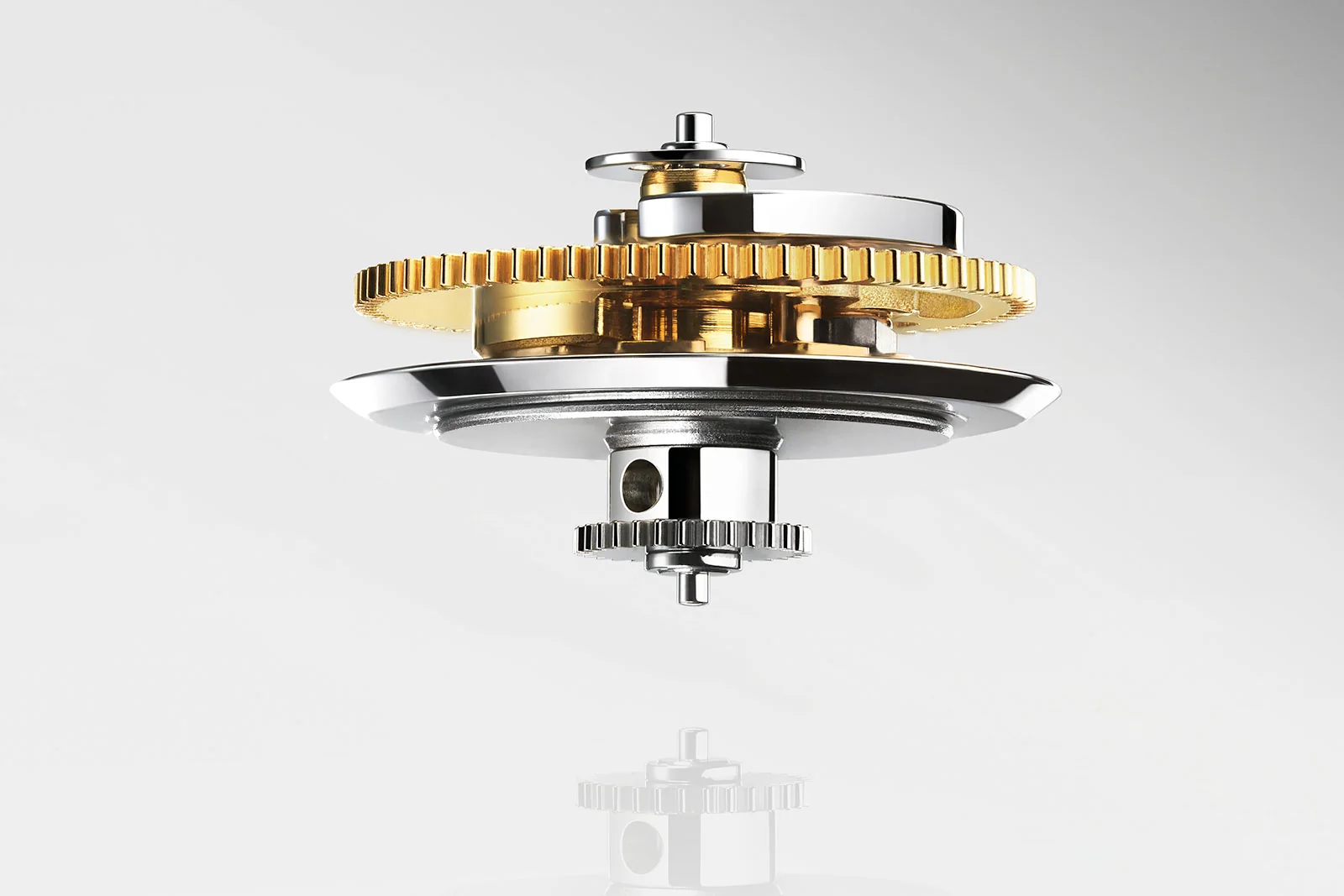
The vertical clutch stacks two coaxial discs, one linked to the time train, the other to the chronograph mechanism. When the chronograph is activated, these two discs are pressed against each other. The transmission then takes place by friction, progressively and perfectly aligned.
No shock. No catching teeth. No jumping.
The most telling image remains that of two plates which stick to each other to rotate together, instead of two toothed wheels which must suddenly align.
Smooth start-up
The first advantage is immediately noticeable: the central chronograph hand starts smoothly. It glides, almost as if it had always been in motion.
It’s a detail, but in watchmaking, details make the difference between a good movement and a remarkable movement.
Reduced wear
Second benefit, more discreet but just as crucial: wear and tear.
In a horizontal clutch, the teeth collide regularly, even if the tolerances are tiny. In the long term, this can affect accuracy and longevity.
With a vertical clutch, contact is continuous and controlled. The system works more like a modern automotive clutch than a traditional gear. Result: better durability and more stable energy transmission.

Can we leave the chronograph running constantly?
This is a question that comes up often, and it takes on its full meaning with the vertical clutch.
On a chronograph with a horizontal clutch, leaving the chronograph running all the time is not recommended. This puts unnecessary strain on the gear and increases wear.


With a vertical clutch, the situation is different. Since the system is designed to operate by constant friction, it supports prolonged use much better. In some calibers, leaving the chronograph activated continuously does not have a significant impact on the frequency or power reserve.
This is also an implicit argument for certain manufacturers: transforming the chronograph into a permanent central second hand, more readable and more useful in everyday life.
Vertical clutch and column wheel: the modern duo
It is common to associate the vertical clutch with another emblematic element: the column wheel.
The latter controls the chronograph functions, start, stop, reset, with tactile and mechanical precision superior to cam systems. When the two are combined, you obtain a chronograph that is both easy to use and technically sophisticated.
This is not an absolute rule, but many high-end contemporary chronographs adopt this hybrid architecture.
Who uses the vertical clutch?
Contrary to what one might think, the vertical clutch is not reserved for a handful of confidential manufacturers. It is now widely used, particularly in the mid- and high-end segments.
Rolex, for example, chose the vertical clutch for its caliber 4130 equipping the Cosmograph Daytona. A choice consistent with the brand’s philosophy of robustness and reliability.


Zenith, with certain evolutions of the El Primero, has also integrated this solution, while retaining its high frequency signature.
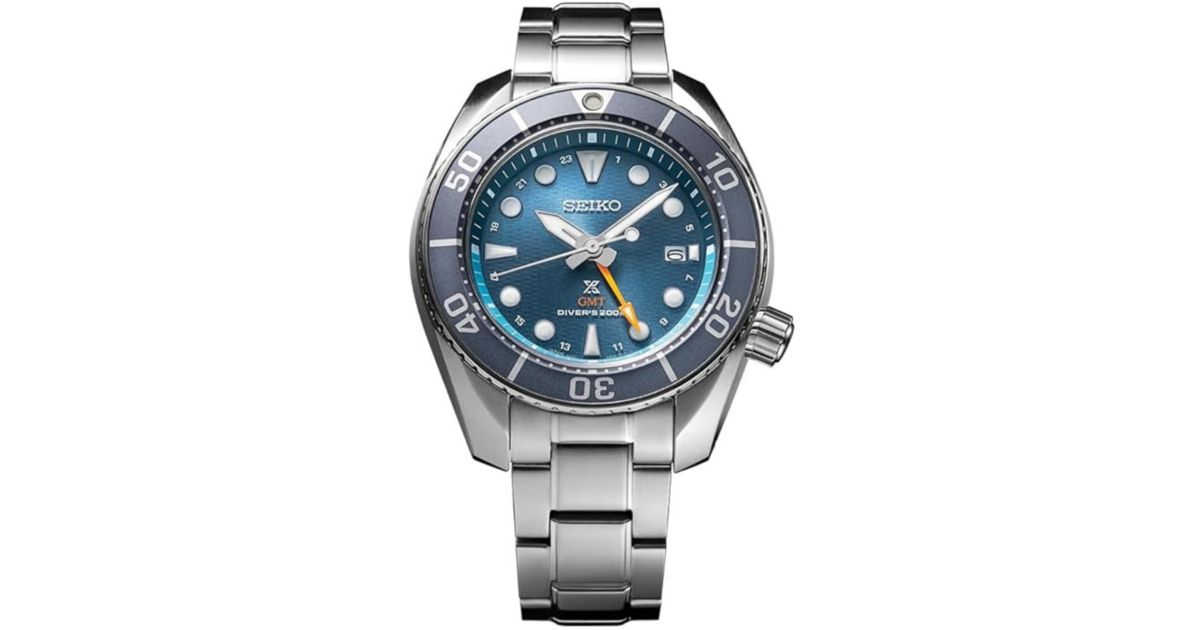
Seiko, often underestimated in Europe, has mastered this technology perfectly on calibers like the 8R28, combining vertical clutch and column wheel with formidable industrial rigor.
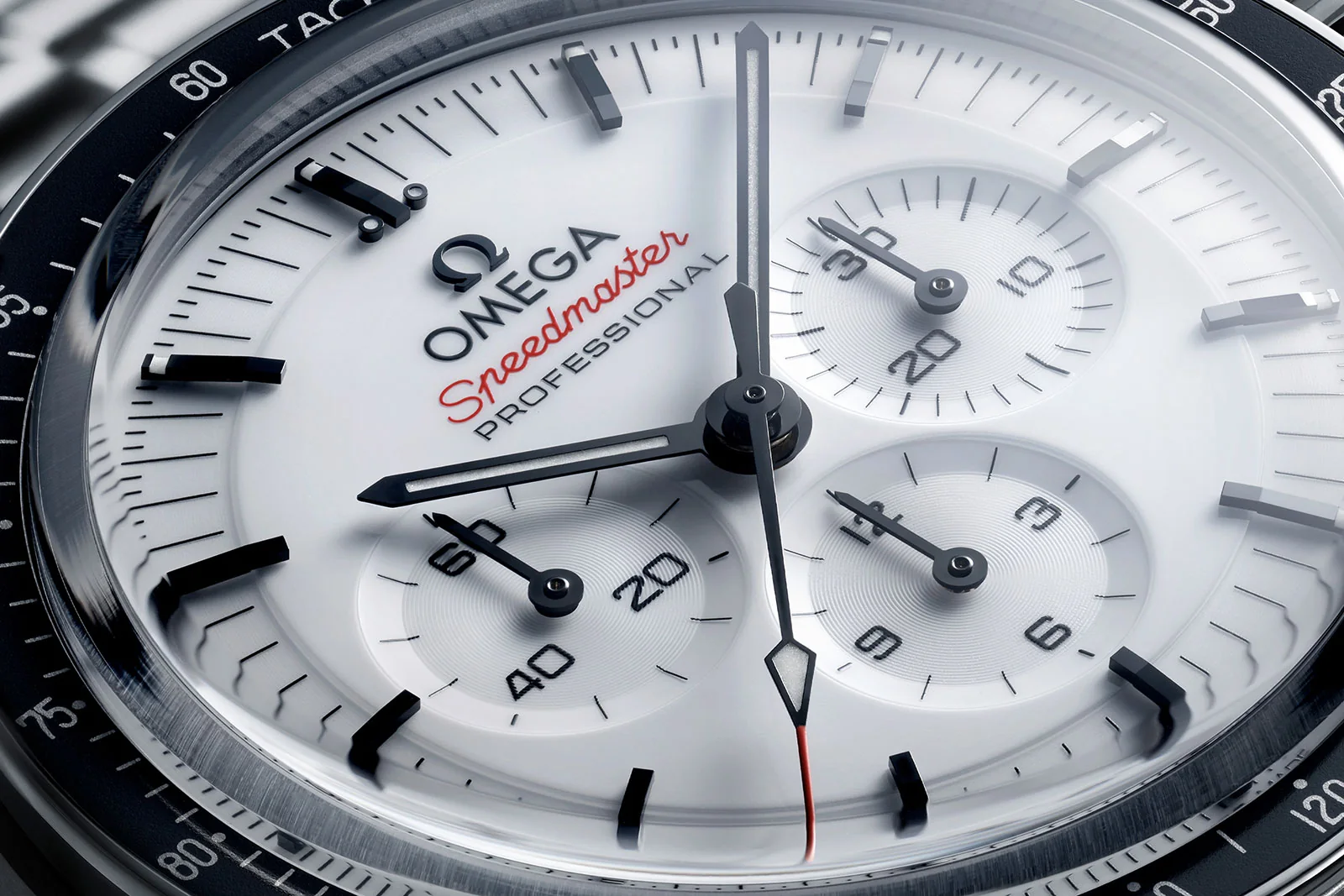
Other companies like Omega, with the caliber 9300 then 9900, also use this architecture, often associated with a Co-Axial escapement.
Are there any disadvantages?
No solution is perfect, and the vertical clutch is no exception.
The main criticism concerns its lack of spectacle. Where a horizontal clutch offers a fascinating ballet of meshing wheels, visible through a sapphire crystal caseback, the vertical clutch is… almost invisible.
Everything happens internally, without staging. For fans of beautiful, visible mechanics, this may seem frustrating.
Another point, the complexity of manufacturing. Obtaining perfectly calibrated friction between the discs requires extreme precision. Too much pressure, and the system wears out prematurely. Not enough, and the transmission slips.
Finally, some purists regret a certain “sanitization” of the gesture. The triggering of a horizontal clutch chronograph, with its slight resistance and mechanical return, has a charm that the smoother vertical clutch attenuates.
An evolution more than a revolution
The vertical clutch chronograph does not replace traditional architectures. He completes them, modernizes them, sometimes corrects them.
It is a technical response to concrete problems: start-up precision, durability, comfort of use. Not an engineer’s coquetry.
And above all, it is a perfect example of what contemporary watchmaking is: a balance between heritage and innovation, where progress is not always seen at first glance, but is felt through use.
The next time you start a chronograph and the hand starts without the slightest quiver, you will know what is happening, silently, under the dial.