Table of Contents
A detail that changes everything: where do the seconds go?
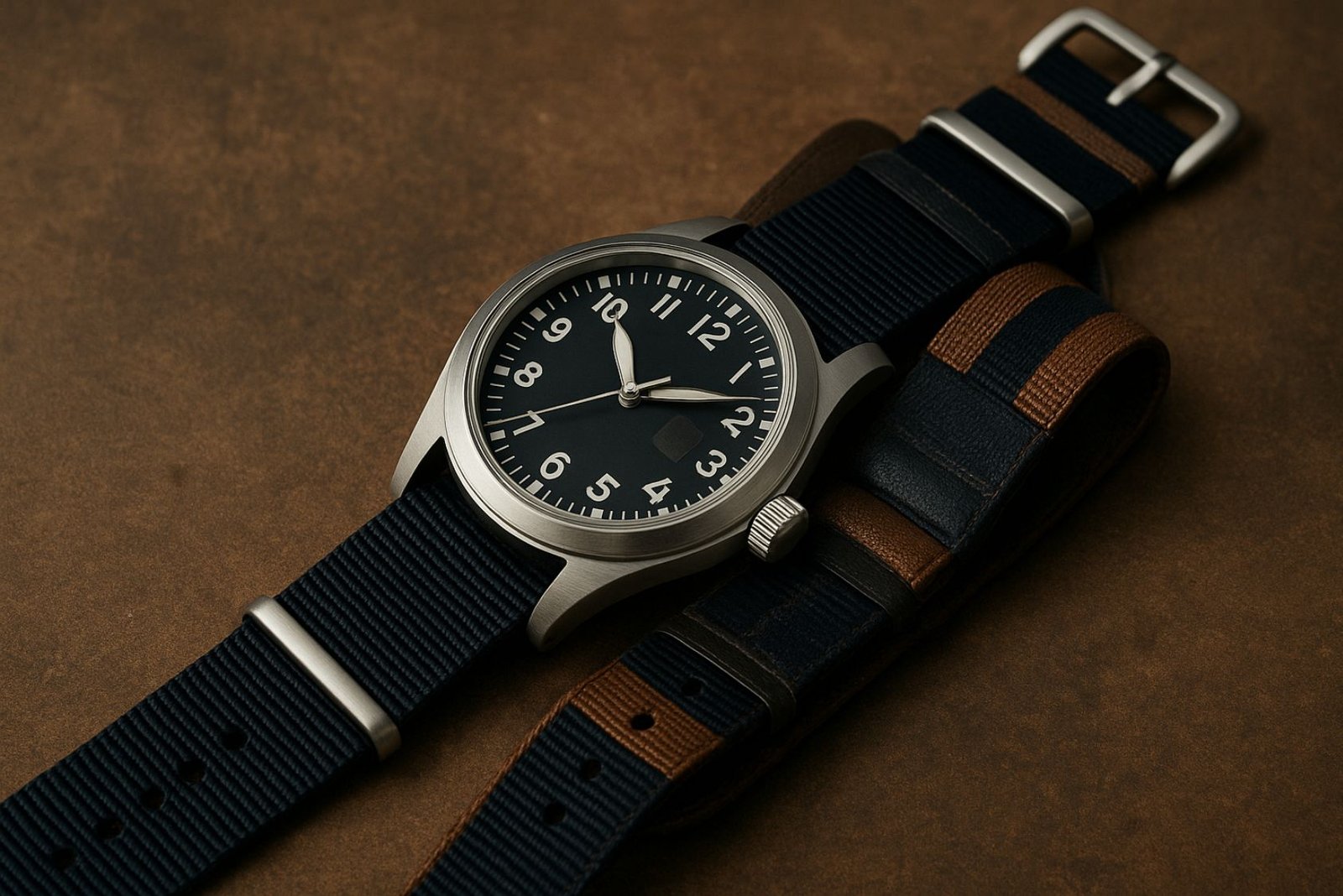
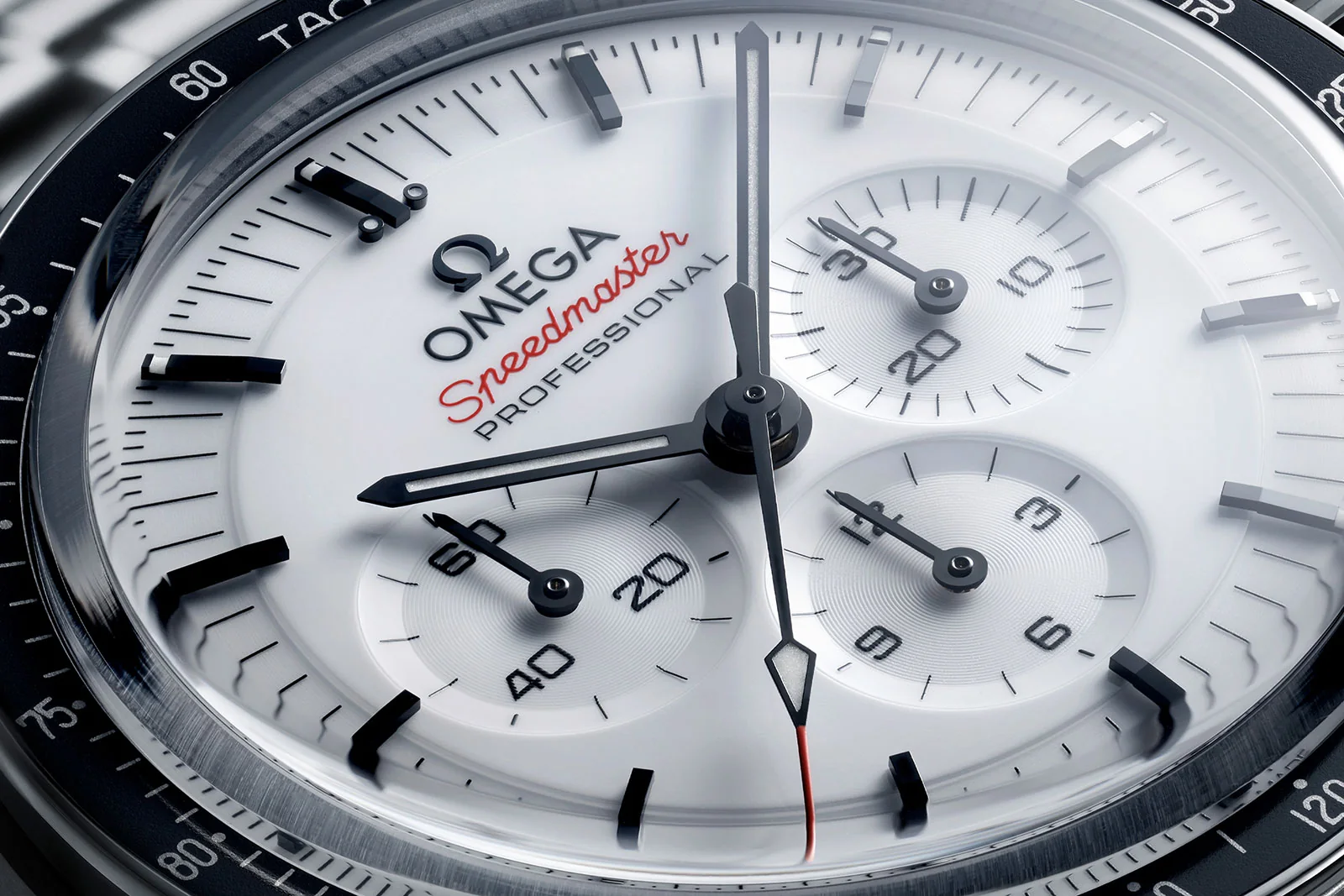
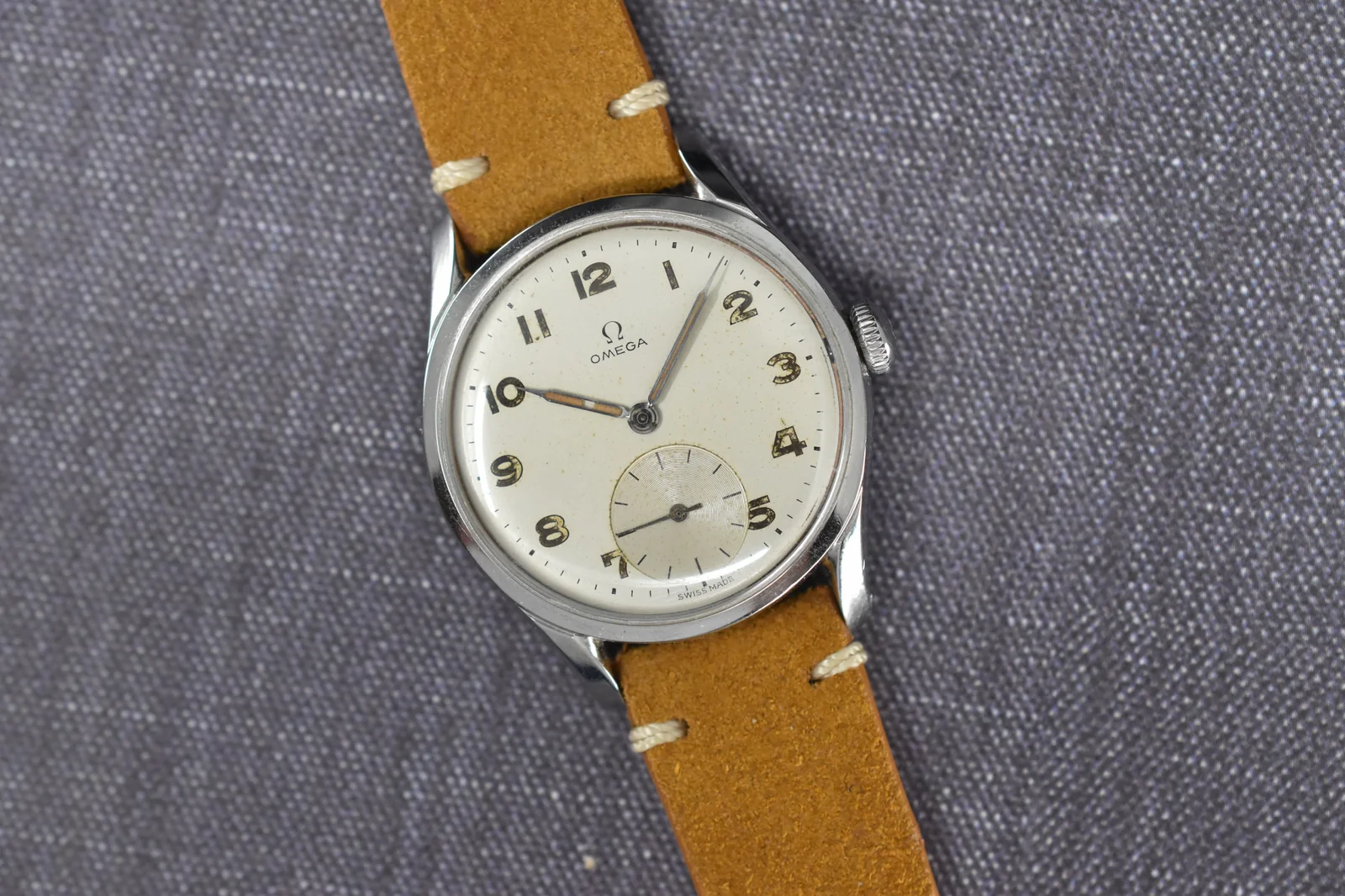
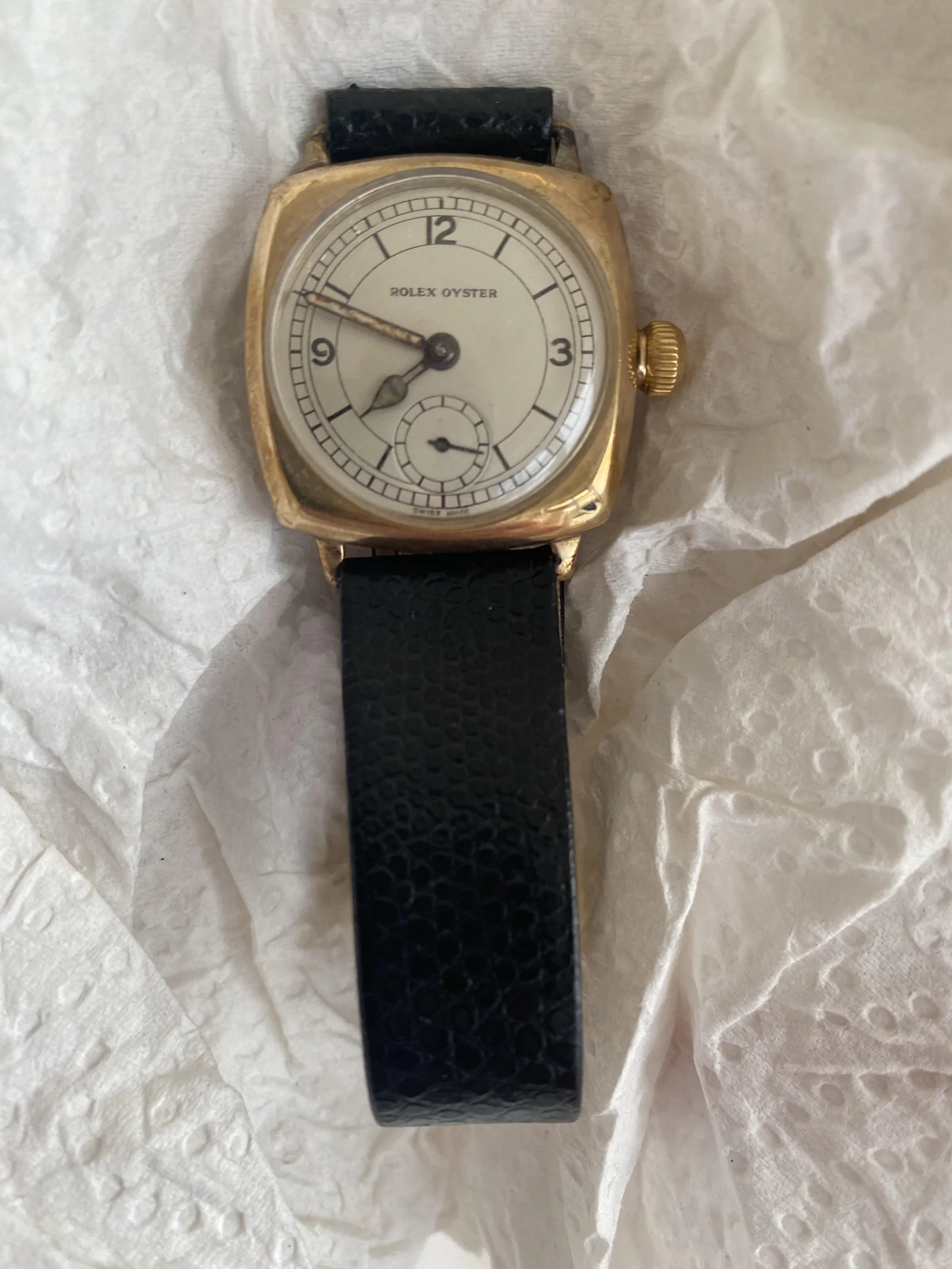
On a modern watch, the central second hand has become so obvious that it is barely noticed. It slides, or jumps, above the hour and minute hands like graphic evidence. However, go back in time: on many old watches, the second is not at the center. It lives elsewhere, in a small counter at 6 o’clock most often, sometimes at 9, sometimes even relegated to the rank of a simple option.
This choice is not an aesthetic whim. It tells of a time when mechanics imposed its law, where the architecture of a movement decided the dial, and not the other way around. Understanding why all old watches do not have a central second hand is like leafing through an entire chapter of watchmaking history: that of technical constraints, everyday uses and the style of an era.
The small second: the direct heritage of pocket watches
Before the wristwatch, there was the pocket watch. And before the contemporary obsession with symmetry and readability, there is the most rational architecture for a traditional mechanical movement.
In a classic construction, the center wheel (the one that turns the minute hand) is… in the center. So far, logical. But the second most often comes from the fourth wheel of the gear train, which turns in one minute. On many historical calibers, this fourth wheel is not positioned in the center: it is offset, and its rotation naturally powers an “off-center” seconds hand, called a small seconds hand.
The wristwatch, in its early days, reused a lot of miniaturized or adapted pocket movements. Result: an immense number of watches from the beginning of the 20th century use this layout. The small seconds is therefore first and foremost a mechanically coherent heritage, which has become a visual signature.
Putting the second hand in the center: a complication in its own right
What we often forget: the central second hand is not “free” in a movement. To obtain it, you must bring the rotation of the fourth wheel to the center of the caliber, or transmit this movement to the center via an additional device. Historically, this has been done in several ways, each with its trade-offs.
The second indirect central unit: elegant… but demanding
Many movements with a central second hand from past decades use an indirect central second: the fourth wheel remains off-center, and a set of links brings the second to the center. This works, but it adds friction, parts, adjustments and sometimes a less “stable” needle (a slight quiver may appear on some old parts).
In periods when robustness and ease of maintenance took precedence, the small seconds retained an advantage: fewer parts, a more direct transmission, and often greater reliability for the same setting.
The second direct central: rarer, more “noble”
The second direct power plant involves an architecture designed from the outset to place the fourth wheel in the center, or to rotate a central axle at the right speed. It is more complex to design, sometimes more expensive to produce, and historically less common on volume watches. When encountered on vintage pieces, it can indicate a more advanced caliber, or a clear desire to offer a very readable seconds reading.
Why did some old watches even go without seconds?
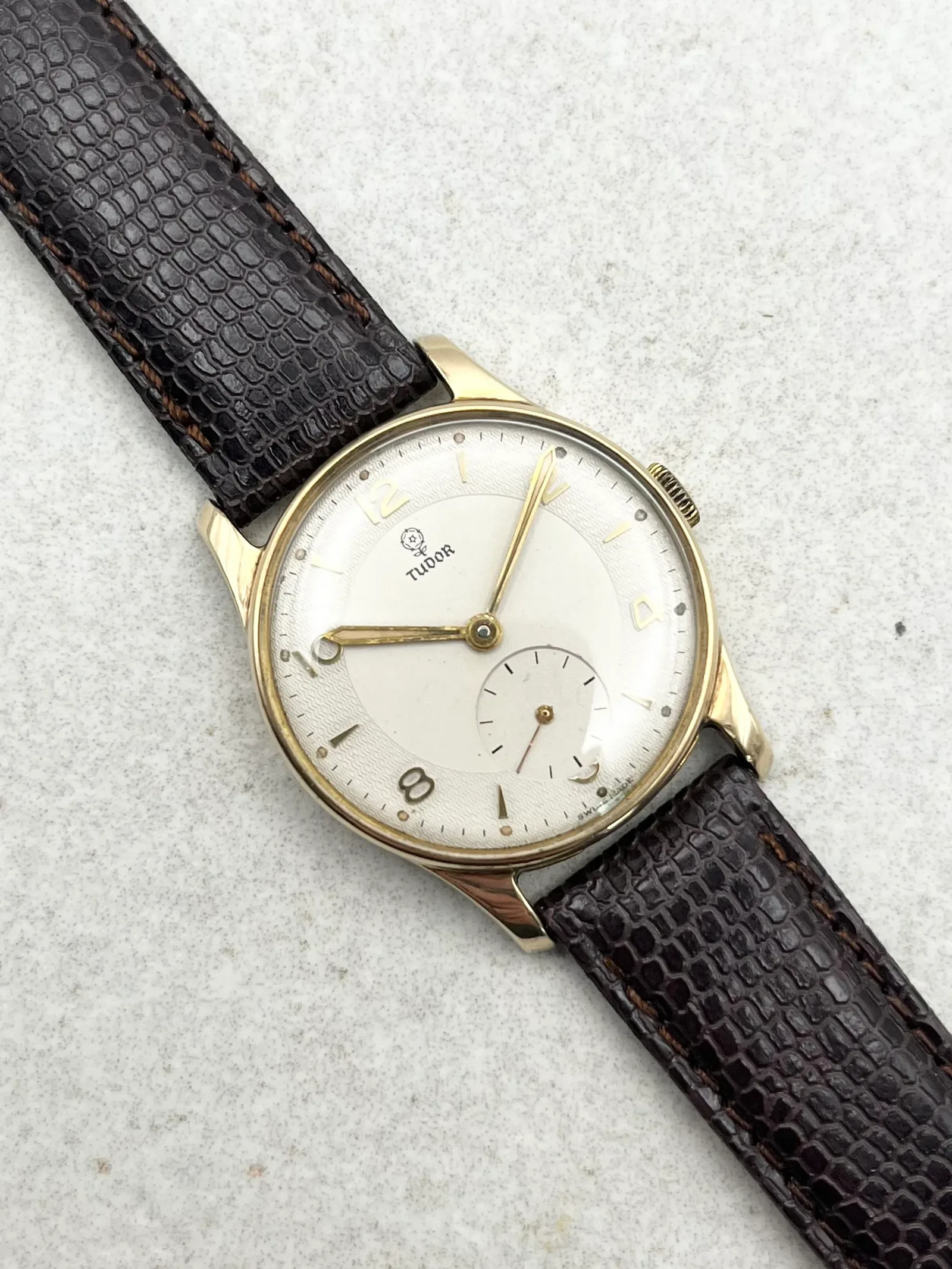
Another surprise for enthusiasts accustomed to current standards: some old watches simply do not display the seconds. This is not an omission; it’s a consistent choice.
Firstly because of usage. For a long time, a watch was an object of appointment and status more than an instrument for measuring the exact second. Secondly because each additional needle consumes energy, adds friction and increases tuning requirements. On a compact movement, especially in the first wristwatches, removing the seconds could improve the power reserve, regularity or finesse.
Well, because the style. A refined dial, with two hands, can be a statement: that of an elegance that refuses agitation.
The uses that have led to the central second hand
If the small seconds dominated for many decades, the central second hand gradually established itself under the influence of usage. There, history leaves the workshops and enters the street, the cockpit and the hospital.
Readability and timing: sport, aviation, army
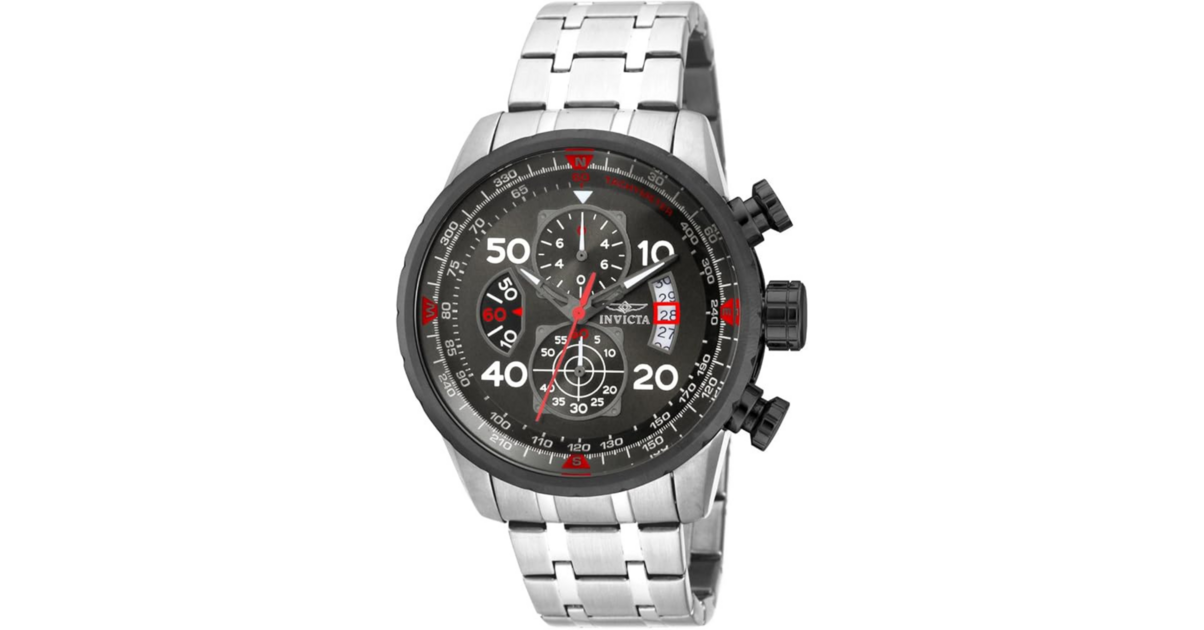
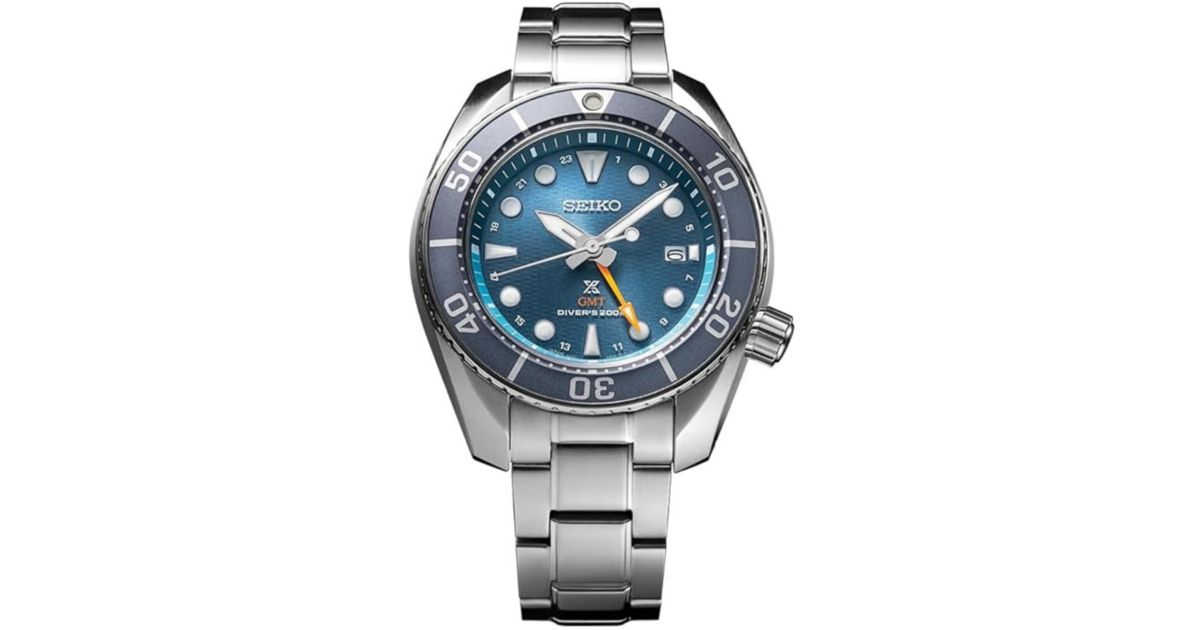
A central second is more readable for measuring a short interval, especially with a graduated timer on the periphery. In aviation, in the armed forces or in sport, we need immediate reading, often on the move, sometimes under stress. The large central hand, longer, clearly points to a peripheral scale: it is a graphic response to a practical requirement.
Medicine and the “second that counts”
In the medical world, pulse taking has long favored specific dials (pulse scales) and rapid seconds reading. Even if the small seconds may be enough, the central unit offers obvious comfort: you don’t have to look for a sub-counter, everything happens at the edge of the dial, where the eye is already.
Design: the small seconds as a cultural signature
One might believe that the small seconds is just a technical vestige. This is false: it has become an aesthetic code with its own references. A well-proportioned sub-counter gives the dial depth, hierarchy, and breathing. It introduces a gentle asymmetry or, on the contrary, a controlled symmetry when it is associated with other meters.
In the dress watch, the small seconds often has something more “settled”. It suggests a less nervous, more contemplative relationship with time. In an era where we measure everything, it reminds us that watchmaking has also been the art of keeping time, not just timing it.
What the second hand reveals about the architecture of a movement
Looking at where the seconds are on an old watch is sometimes like guessing the history of the caliber. A small second can indicate:
- a movement derived from a pocket architecture or a proven old caliber;
- a priority given to mechanical simplicity and reliability;
- a “classic” aesthetic pursuit, often associated with dress watches.
A central second hand can suggest:
- use oriented towards readability and instrumentation;
- a more modern movement in its design, or an additional device;
- a time when the wristwatch asserted itself as a tool, not just as jewelry.
Collector’s advice: don’t judge a vintage by its seconds display alone
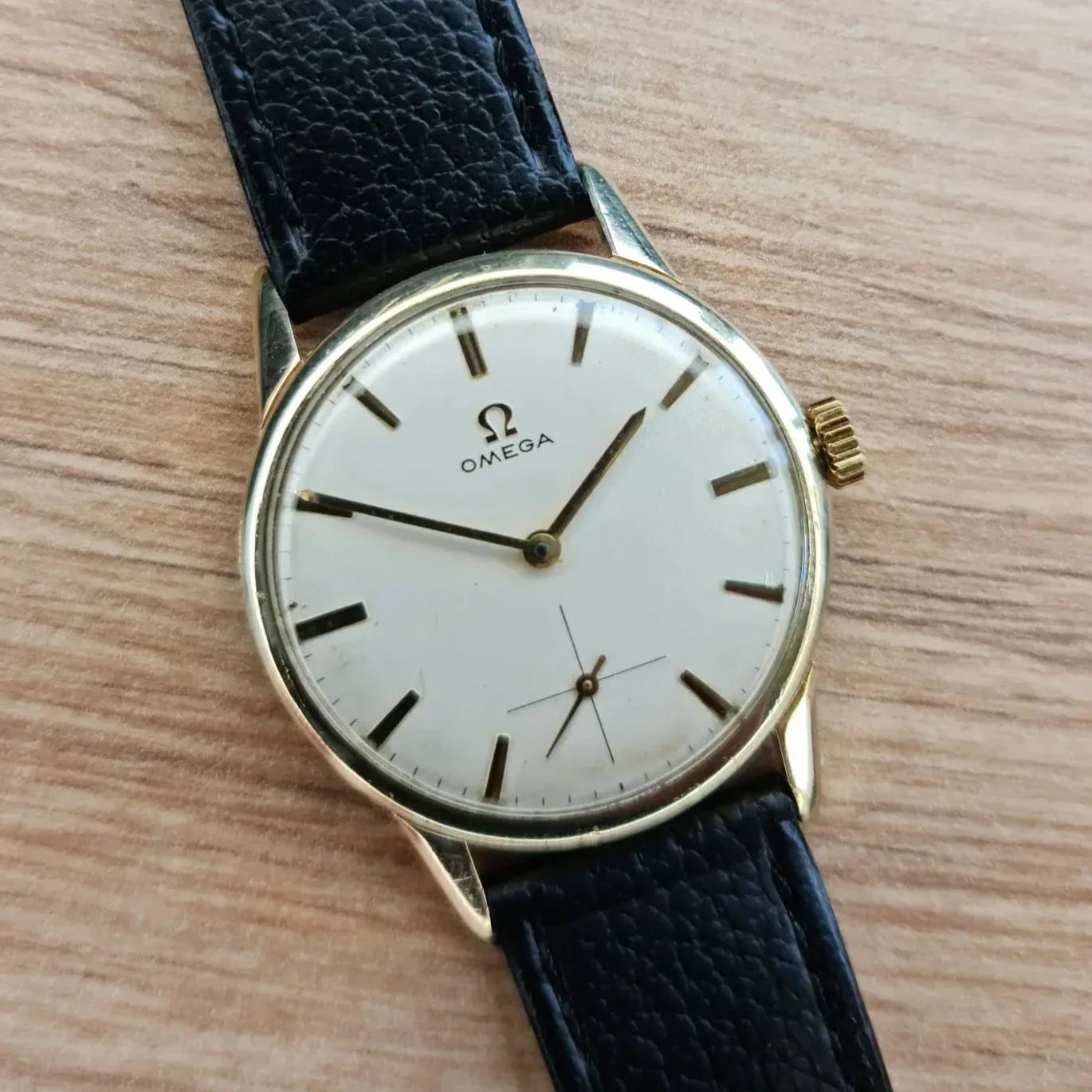
On the vintage market, we sometimes hear that “the central second hand is better” because it is more modern, or because it “feels like a tool”. The reality is more subtle: a small second is neither a fault nor a sign of low quality. Many very beautiful calibers, finely tuned, have lived with a small seconds all their lives.
If you are buying an old watch, look instead:
- the condition of the dial and the consistency of the hands (shapes, lengths, patina);
- the quality of the box and the integrity of the edges;
- movement behavior (amplitude, stability, maintenance);
- the relevance of the design: is the small seconds well placed, well proportioned, legible?
And above all, ask yourself the only question that matters: does this watch accurately tell the story of an era?
If old watches don’t all have a central second hand, it’s not because the watchmakers “didn’t know how to do it”. This is because the most logical path, for a long time, went through the small seconds: a choice dictated by the architecture of the calibers, the search for reliability and uses where the second was not king.
The central second hand became essential when the wristwatch became an instrument for rapid reading, serving new rhythms. Between the two, there is no absolute hierarchy, only technical logics and cultural silhouettes. And that’s precisely what makes antique watches so exciting: they show the time, but they also expose the ideas of their time.