Table of Contents
The curve that changes everything
A tiny detail, an immediate sensation: the curved glass transforms a watch. It rounds the light, softens the angles, slips under the sleeve like a soap bubble. Above all, it tells a story: that of divers, pilots and engineers who chose the curve for very concrete reasons, long before style took over. Why, then, do some watches have curved glasses? Because the curve is technical, optical and emotional at the same time.
At the origins: from plexiglass in the 1950s to NASA
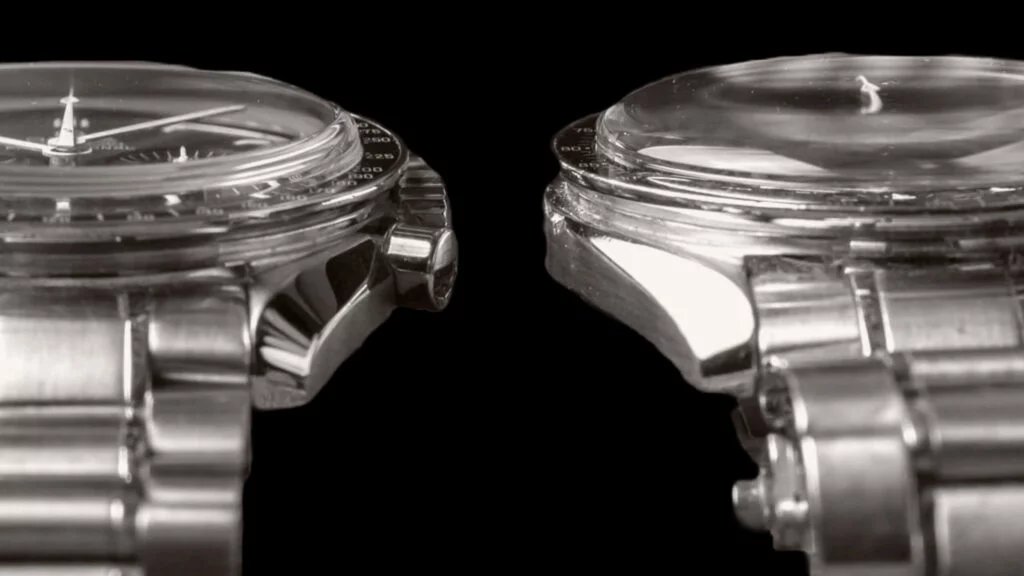
In the 1950s and 1960s, acrylic — Plexiglas or hesalite — reigned supreme in cases. Easy to form, inexpensive, it bulges effortlessly. Above all, it bends without breaking: under impact, there are no splinters that could damage the dial or, in a space capsule, float in weightlessness. This is one of the reasons why the Speedmaster “Hesalite” will be adopted by NASA: better a dome that scratches than a window that breaks.
On the sea side, the divers of the sixties sport well-rounded “tropics”. Thicker in the center, these glasses better withstand pressure and work with a tension ring and seals to guarantee watertightness. The curve was not a whim: it was a solution.
The technique behind the curve
Resistance and waterproofing
A dome works in compression. The more curved the surface, the better it distributes stresses. On a diver, a curved glass (whether plexiglass, mineral or sapphire) can offer better resistance to pressure than a flat glass of the same thickness. In vintage watches, the famous metal ring which grips the glass in the caseband exploits this shape to reinforce water resistance. Today, we obtain comparable results with modern joints, but the curve retains mechanical advantages — and an irresistible silhouette.
Readability and reflections
Curvature changes the way light passes through and reflects. A curved lens can reduce some internal reflections and, thanks to the rounded edges, avoid the “rings” of shadows that are sometimes seen on flat lenses. The downside? Angled distortion: hands that arch, timer that undulates. Many see a vintage charm, a kind of optical life. Brands compensate with “double dome” lenses (curved on the outside and inside) that minimize distortion while maintaining the smoothness of the profile. Add a well-dosed anti-reflective coating, and the reading becomes almost theatrical.
Ergonomics and protection
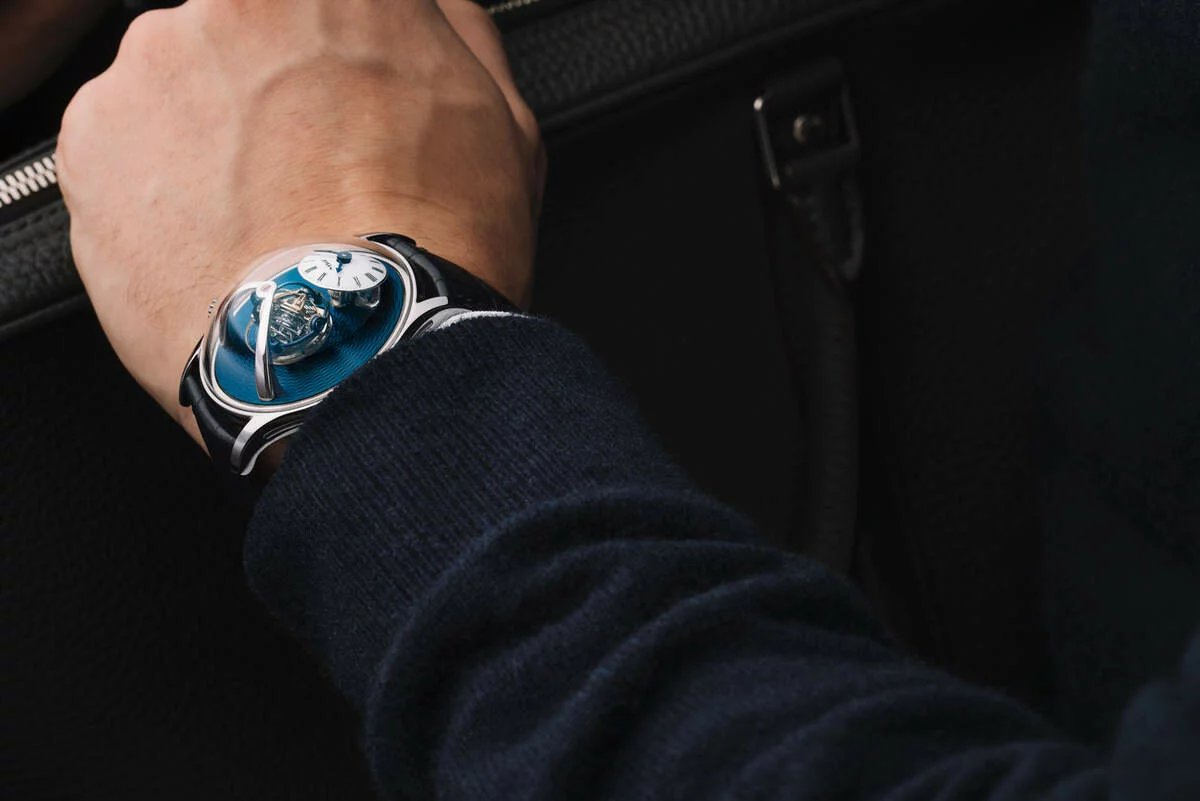
A dome slips and deflects. Where a sharp edge catches the sleeve or absorbs the impact from the front, the curve disperses the impact. The curved also creates space under the glass: useful for long hands, an interior bezel, or simply to give breathing room to a dial with applied numerals. This volume contributes to the presence on the wrist, without necessarily thickening the case visually.
Plexi, mineral, sapphire: which curved for which use?
- Plexi / Hesalite: warm and light, it offers a “lively” distortion and a slightly amber tint at certain angles. It scratches quickly, but polishes in a few minutes with Polywatch. It almost never breaks into pieces. Perfect for neo-vintage reissues (and still legendary on the Speedmaster Hesalite).
- Curved mineral glass: harder than acrylic, less than sapphire. Affordable, it often equips the entry and mid-range. It bulges easily, but can be replaced rather than polished in the event of a deep scratch.
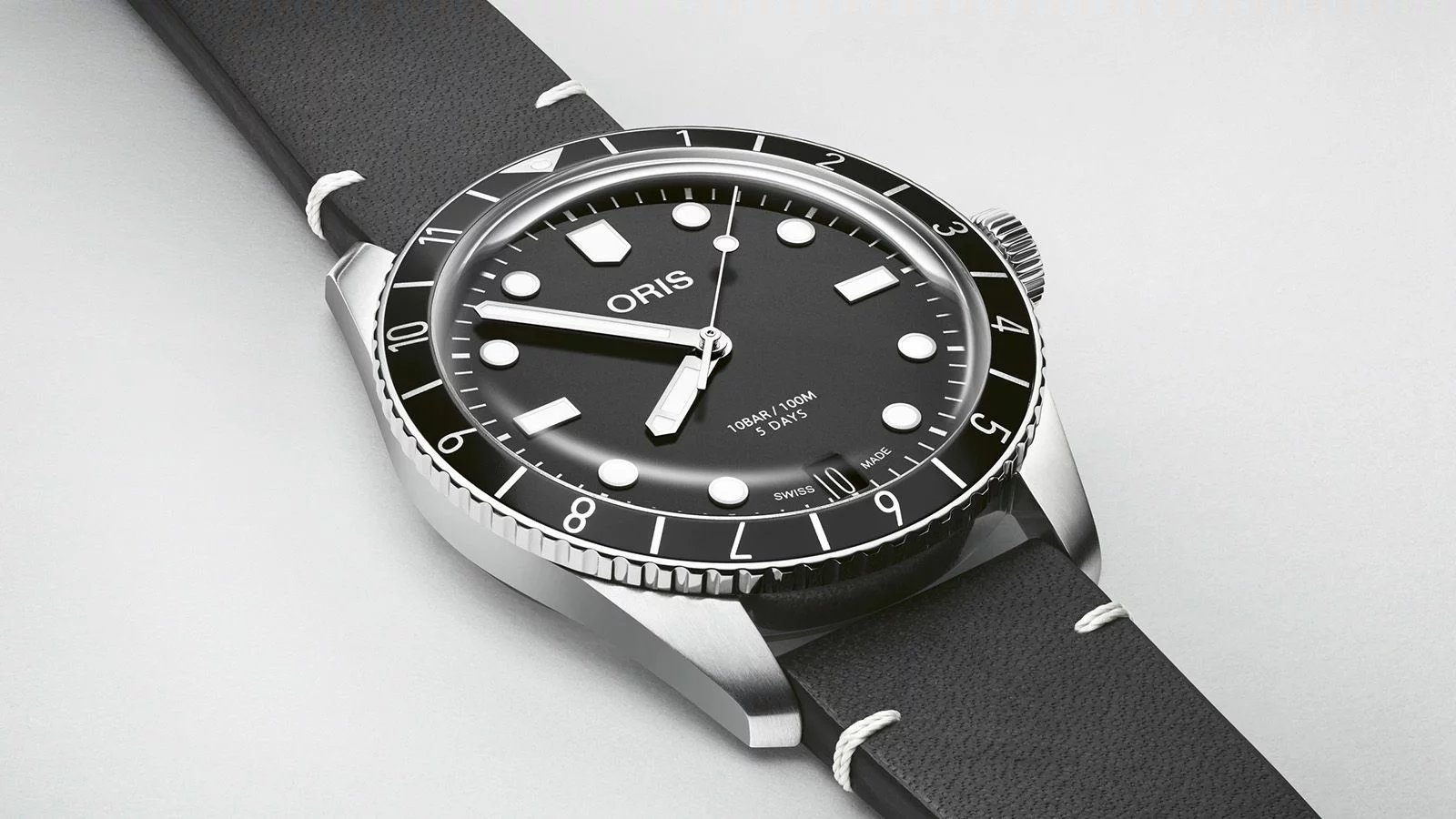
- “Box” or double dome sapphire: king of scratch resistance, it is more expensive to manufacture when it is domed. The “sapphire box” imitates old plexiglass with almost vertical sides and a rounded roof. This is the premium option for Black Bay, Oris Divers Sixty-Five, Longines Heritage, or certain Grand Seikos. Poetic to the eye, technical to produce.
Style: a silhouette and an emotion
The dome is not just a function; he has a signature. A curved glass visually lightens a case, rounds a bevel, and makes the light dance on a sunray dial. We understand why reissues are crazy about this curve: it instantly teleports a watch back to the 50s and 60s, even when everything else is modern.
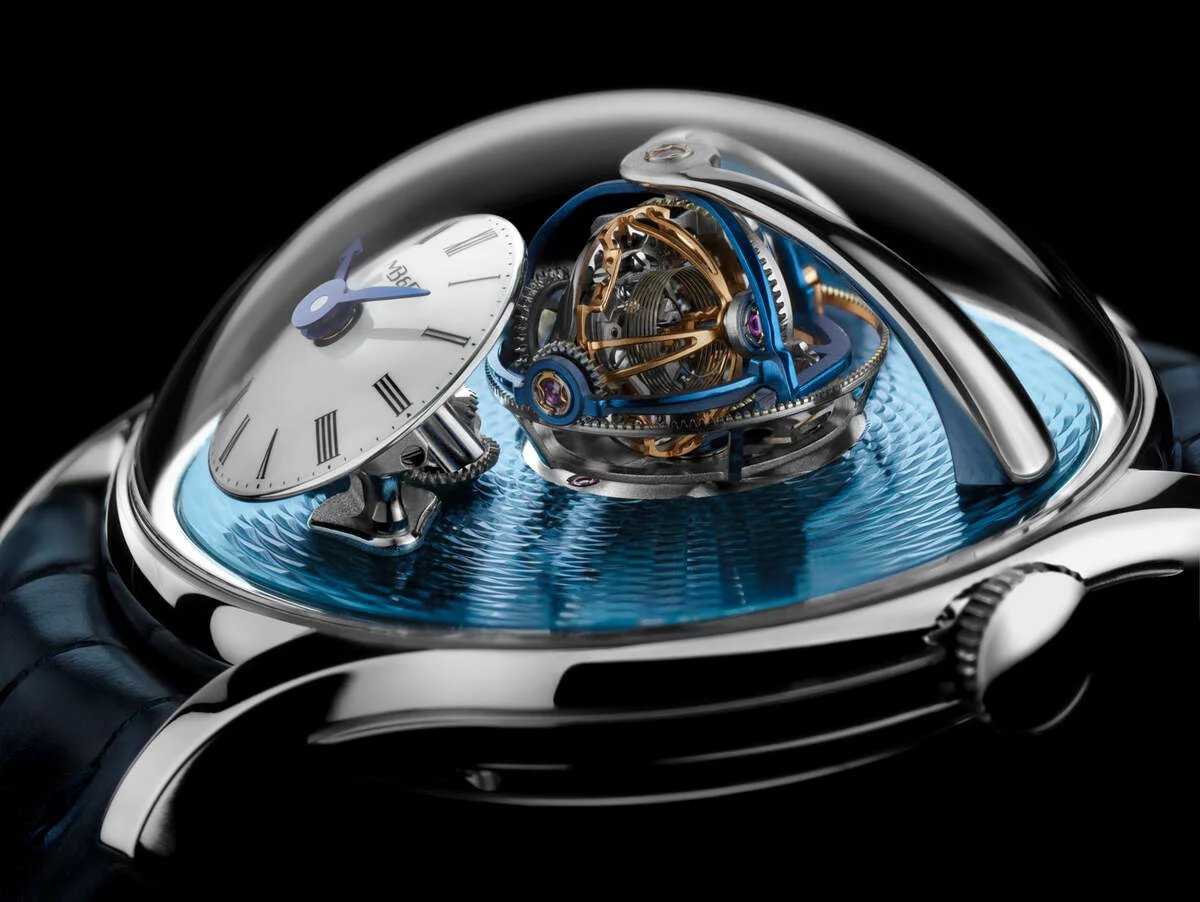
Look at a Tudor Black Bay in raking light: the “box” sapphire thickens the edge, but the reflection chisels it. An Oris Divers Sixty-Five takes on the air of a shipwreck treasure simply because the curve accentuates the cream hour markers. At Grand Seiko, the double dome gives relief to the textured dials, while preserving a clinical reading. Even a simple three-hand dresser gains in softness: a slight curve is enough to create this “artistic blur” which makes the object endearing.
Why the curve (sometimes) costs more
Bombing a sapphire is not trivial. It requires sawing, grinding, then polishing the shape — often hours of labor and diamond abrasives. The more pronounced the dome, the more the risk of breakage increases during manufacturing. The result? A more expensive, heavier piece, but also more durable on a daily basis. Conversely, acrylic thermoforms easily, hence the low price and the generosity of the “superdome” curves on certain very vintage reissues.
- Use: office, sea, city? For an adventurer, the double-domed sapphire provides security. For a vintage weekend treat, hesalite has an unmistakable charm.
- Scratch Tolerance: If the idea of a micro-snap drives you crazy, choose sapphire. If you like to “live” your watch, the plexi polishes and tells a story.
- Thickness and sleeves: a “sapphire box” can add height. Try under a shirt: the curve helps, but it all depends on the build.
- Optics: want poetic distortion? Single dome glass. Seeking neutrality? Double dome and internal anti-reflective.
- Maintenance and costs: replacing a domed sapphire costs significantly more than a plexi. To keep in mind during services.
In brief
If some watches have curved glasses, this is not an aesthetic whim. It is the heritage of a technical solution, resistance, watertightness, readability, which has become a stylistic language. The curve softens the light, creates a profile, and slips a little romance between you and the dial. In a world of flat surfaces, it is the shade that makes enthusiasts’ hearts beat faster.