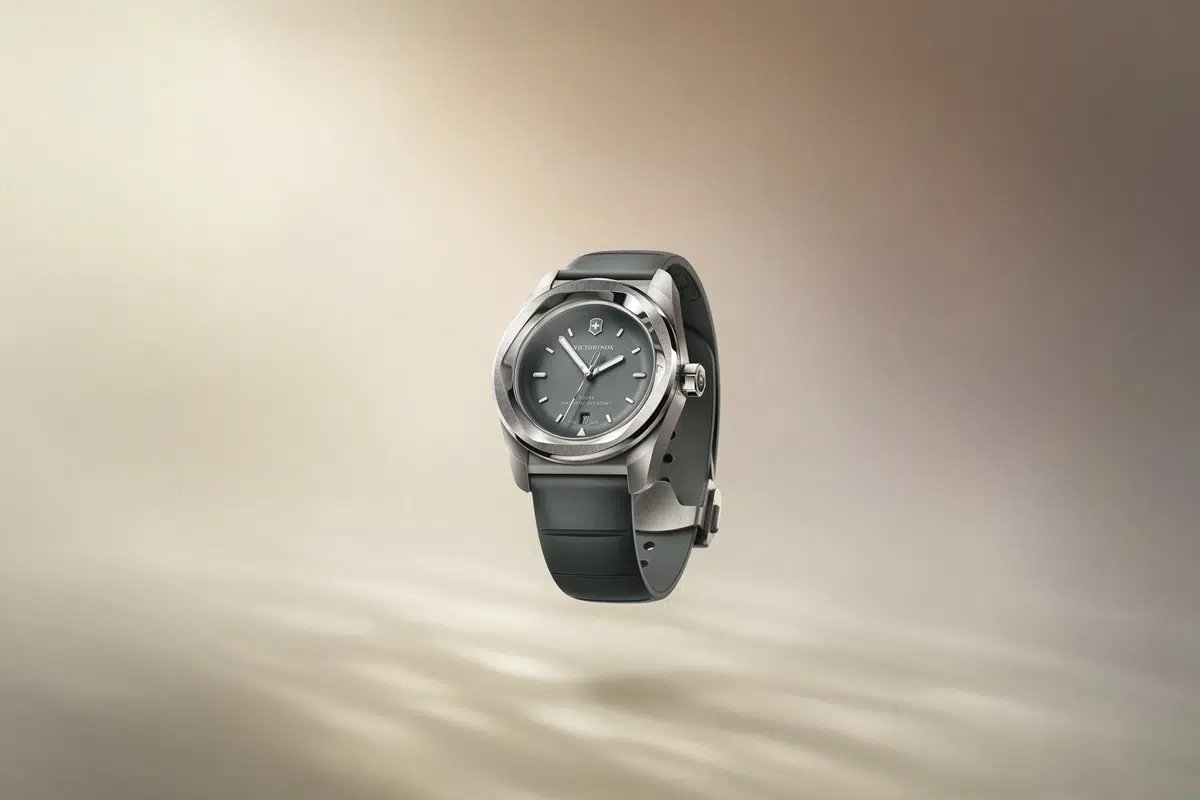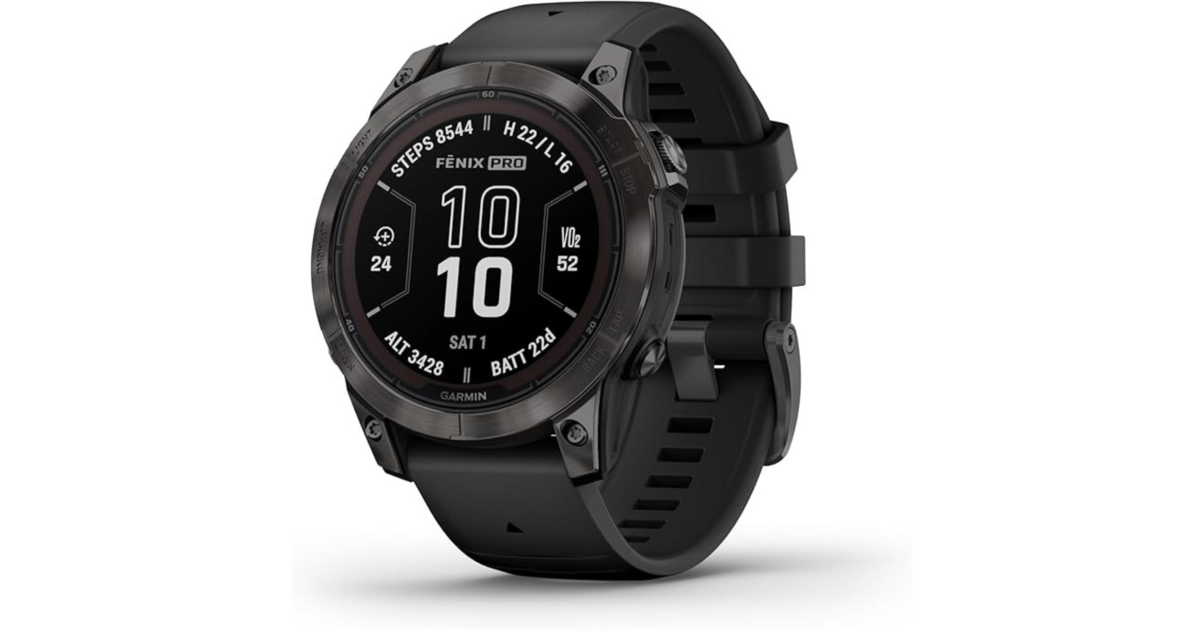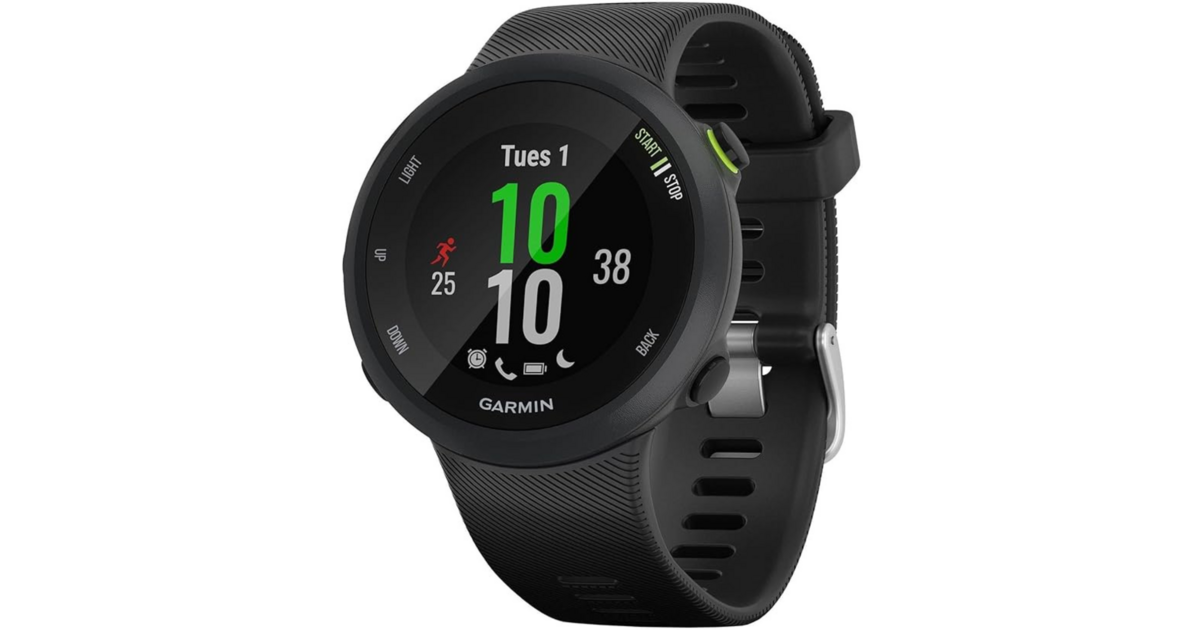
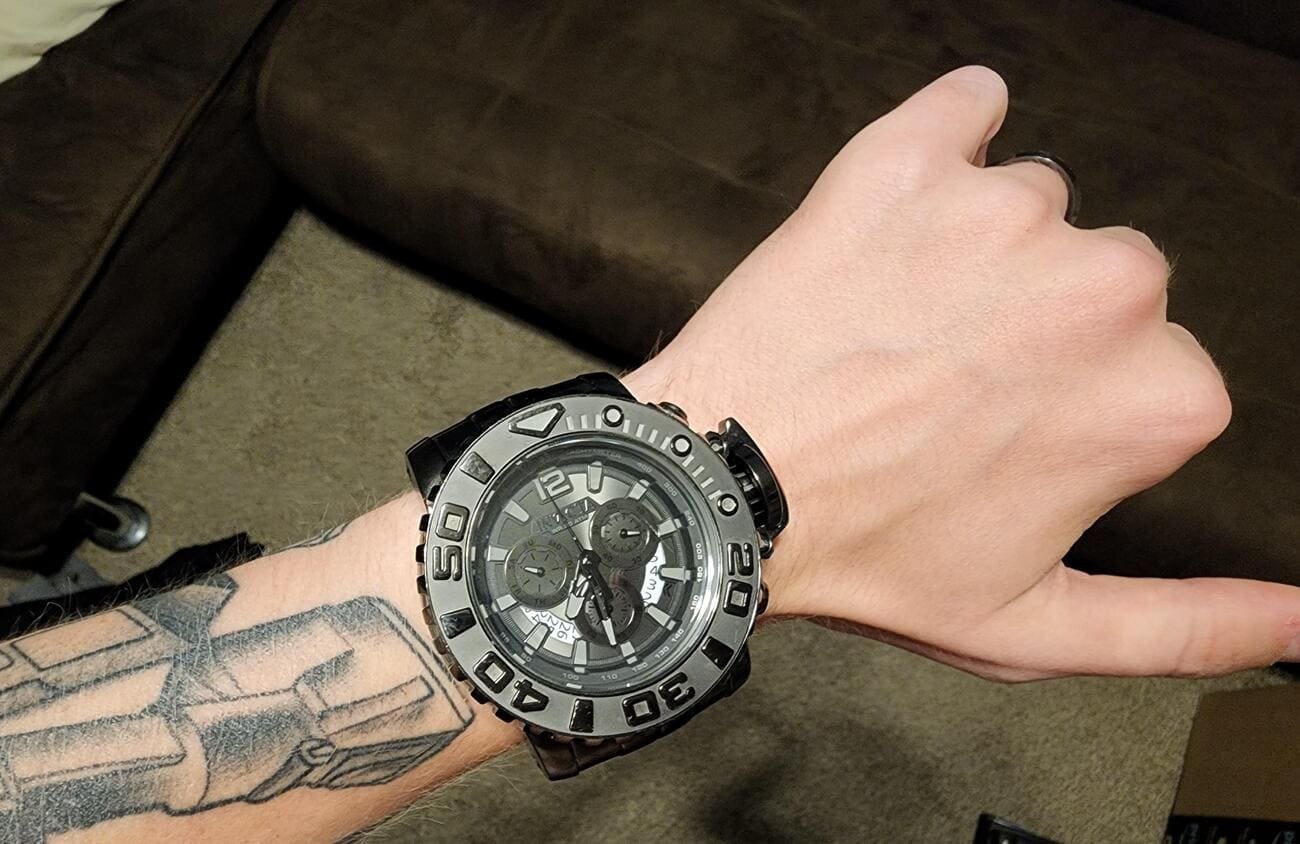
Ten or fifteen years ago, the watch was worn as a statement. On the wrists, the 44mm and above asserted an almost architectural presence: thick bezels, massive lugs, dials saturated with information. The era loved the ostentatious, the demonstration of power, like these cars with taut lines and oversized rims. However, for those seeking a more understated elegance, choosing a watch for a slim wrist can provide an equally impressive lesson in style.
And then, almost without fanfare, the trend reversed. Today, the new products that thrill enthusiasts often range between 36 and 40 mm. Brands are reissuing icons in their original proportions, collectors are rediscovering the pleasure of discretion, and even manufacturers renowned for their imposing sizes are relearning finesse. It is not a simple fashion effect: it is a cultural, aesthetic and, above all, watchmaking movement.
When history took over
If the diameters have decreased, it is first and foremost because watchmaking has started to look in the rearview mirror again – but with intelligence. The 2010s saw the explosion of “heritage” reissues: we are not just copying an old watch, we are resurrecting an era. However, watches from the 1950s to 1970s, those which today nourish the collective imagination (diving, aviation, exploration), were smaller: 34, 36, 38 mm were common sizes.
In the archives, the proportions are clear: thinner bezel, breathable dial, shorter lugs. When a brand decides to reissue a legendary model, it comes up against a question of truth: can we claim to pay homage to a design, then artificially inflate it? Some did. Many have gone back. The market has decided: a credible reissue requires respecting the dimensions, or at least a close sensation on the wrist.
Vintage isn’t just an Instagram filter
Vintage imposed a requirement: authenticity of lines. As collectors have become educated via forums, auctions, and specialized content, the notion of “good proportion” has taken precedence over “big impact”. A watch is no longer just a visible object, but an accurate, coherent, historically situated object.
Comfort: the most prosaic argument…and the most decisive
It only takes a whole day with a watch that’s too large to understand the shift. Large diameters not only provide presence: they provide weight, inertia, constraint. A 44 mm box, especially if it is thick, sticks out, knocks, catches a sleeve. She’s tired. Conversely, a 38-40 mm watch can be forgotten, and this is paradoxically where it becomes luxurious: when it fits into you.
The past decade has also changed our habits. We type more on the keyboard, we alternate office and mobility, we go from blazer to sweater, from formal to casual. The wrist is stressed, and ergonomics has once again become a priority. The marks have worked on the horns, the curvature, the height. But reducing the diameter remains the most direct way to improve the carry.
- Less overhang : a more compact watch protrudes less from the wrist.
- Better compatibility with sleeves : especially when the thickness is controlled.
- Visual balance : the dial does not “eat” the silhouette of the wrist.
Changing your external sign: from demonstration to sophistication
The large diameter has long served as a social sign: the watch had to be seen. But the culture of luxury has evolved. The 2010s may have celebrated logos, but they also prepared the ground for the opposite: a form of quiet luxury before its time, where we recognize quality in less noisy details, typography, caseband finishing, brushing, dial nuance.

A smaller watch leaves more room for this subtle language. It also requires more design precision: when everything is reduced, the error is visible. The indexes must be impeccable, the proportions impeccable, the bezel perfectly coordinated. “Small” is not a withdrawal: it is a claim to mastery.
The return of the suit (and style) to everyday life
The line between dressy and casual has blurred, but elegance has not disappeared. She moved. A 36 to 39 mm watch fits under a sleeve, goes with an open shirt, can be worn with patinated leather or a refined steel bracelet. It’s a very contemporary versatility: less displayed performance, more stylistic coherence.
The technique followed: why we no longer “need” big
In the past, larger cases were justified by technical arguments: better readability, robustness, room for larger movements, impression of solidity. Today, many of these reasons have lost their force.
First of all, readability does not depend only on the diameter: it depends on the contrast, the typography, the luminescent treatment, the width of the hands. A 38mm watch can be more readable than a 44mm if the dial is well designed. Then, modern movements know how to be compact, and brands have learned to better “fill” a dial without resorting to exaggerated openings or disproportionate flange.
Finally, the obsession with waterproofing “at all costs” has become nuanced. Many buyers want a versatile watch, yes, but they don’t necessarily need extreme everyday diver architecture. Watchmaking has come closer to reality: useful robustness, without overkill.
Social networks have changed perception…and the market
The Instagram decade first encouraged the spectacular: a large camera photographs well, especially in close-ups. But the networks have also created the opposite effect: instant comparison. When a model appears on the wrists of dozens of people, on varied body types, the verdict is quick. A watch that is too large “looks bad” for many, and this is immediately evident.
Online watch communities have also popularized more precise vocabulary: lug-to-lug length, thickness, bezel/dial ratio, proportion between indexes and timer. This sophistication of the look has pushed brands to review their copies. A watch can be “small” on paper and perfectly present in reality, if the dial opening is large or the bezel is thin. Conversely, an “average” watch can appear enormous if it is thick and angular.
The wrist as a new unit of measurement
Before, we first talked about diameter. Today we are talking about door. The number is no longer a totem. Watchmaking has entered an era where geometry matters as much as the announced size.
A new classicism: 36 to 40 mm, the golden zone
It’s no coincidence that so many recent launches are centered around 38-39mm. It’s a format that crosses styles: sporty, dressy, neo-vintage, minimalist. It suits more wrists, it ages better, it resists the temptation of “too much”. And above all, it reconnects with a very horological idea: the watch as an extension of the body, not as an object placed on it.
Plus sizes have not disappeared, and will not disappear. Certain tool watches, certain contemporary designs, certain imposing complications need space. But the cultural norm has changed: big is no longer the default. The choice of a diameter has once again become an aesthetic act, not a reflex.
What this decline says about us
Reducing the diameter also means reducing noise. It is choosing a more intimate presence, a more personal relationship with the object. The watch is no longer just meant to be seen; it is meant to be experienced. In an era saturated with images and signals, this restraint has something almost radical.
And if diameters have decreased over the last ten years, it is perhaps because watchmaking, like style, has rediscovered a simple truth: refinement does not scream. It is noticed on the second reading, at the bend of a reflection, in the way a watch hugs the wrist and fades just enough to become indispensable.