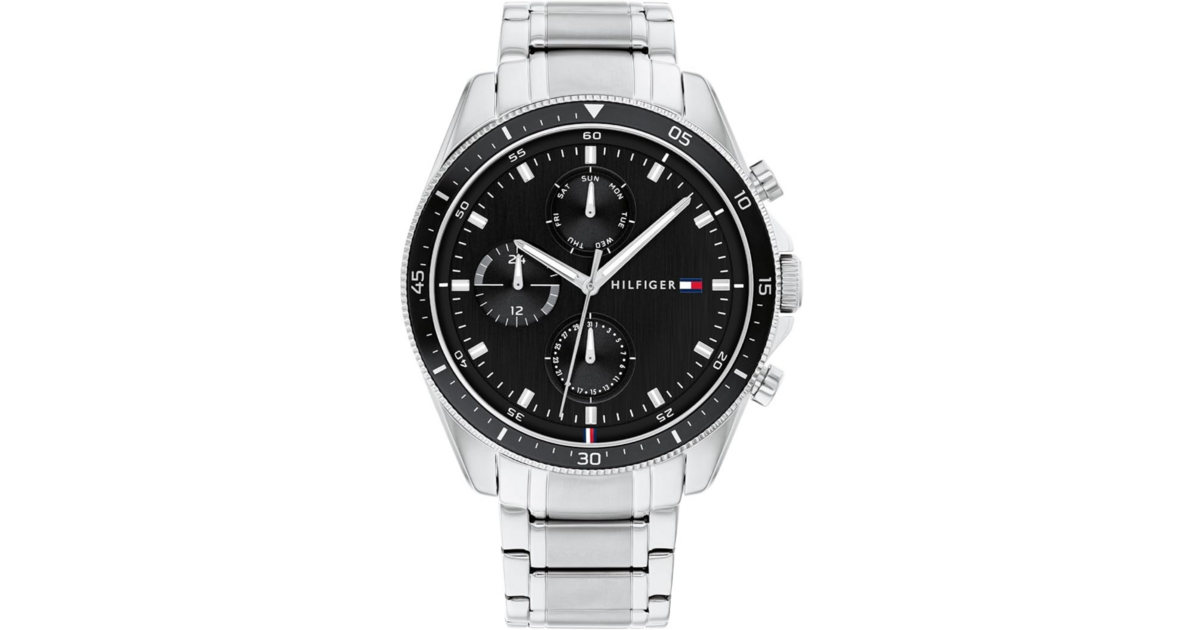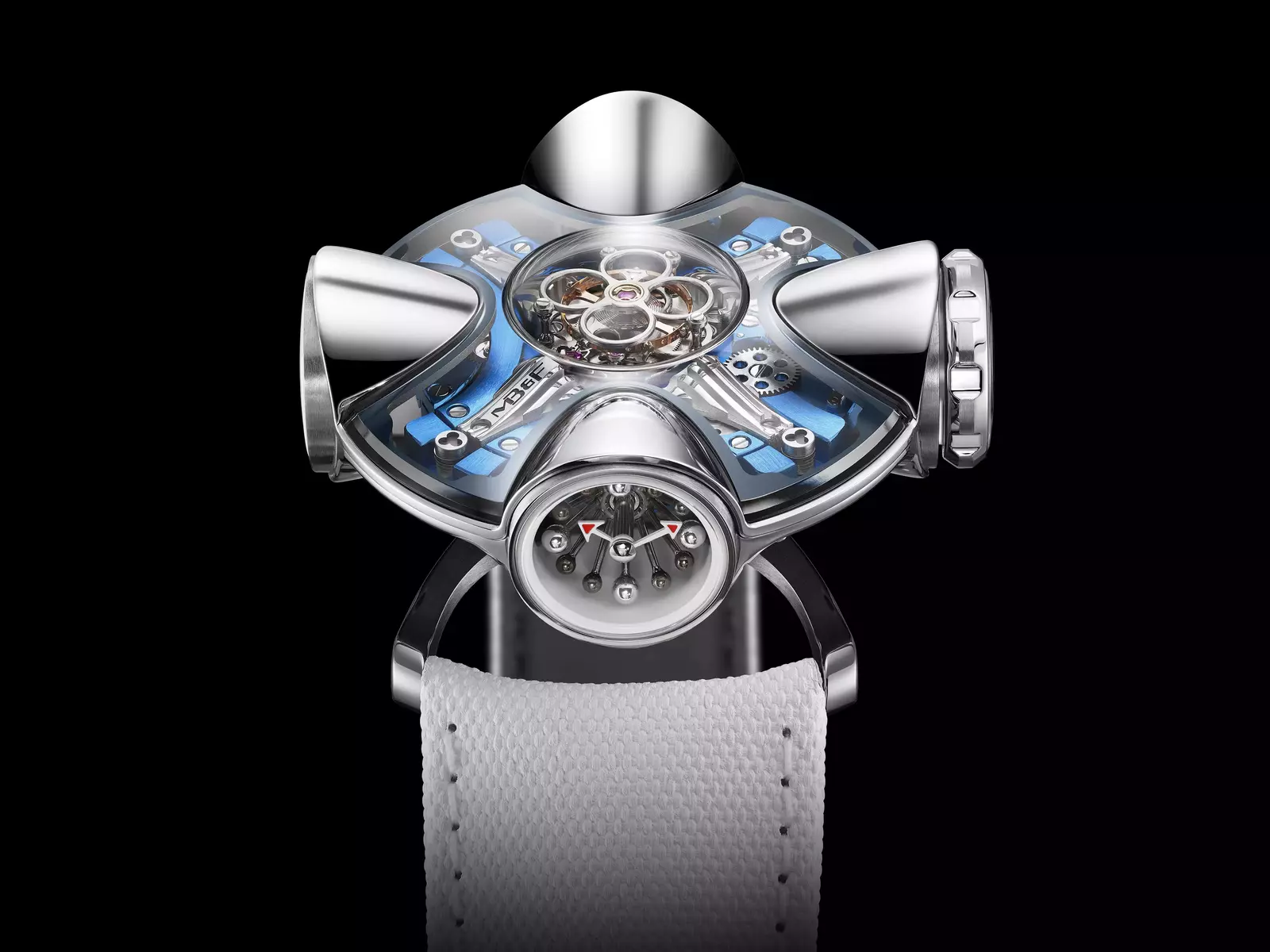
Transparent charm: why the skeleton watch fascinates
To expose a movement is to tell the intimate story of watchmaking. The skeleton watch is not just an exercise in style: it is a declaration of love for mechanics, a manifesto where each bridge, each wheel, each breath of the balance becomes a setting. Born in the 18th century, when French watchmakers began to openwork plates and bridges to celebrate the architecture of the movement, the tradition has spanned the ages, from the great houses of Geneva to contemporary workshops that are reinventing openwork. Today, choosing a skeleton watch means embracing a bold design and accepting the gaze of others: we wear a small living scene on our wrist, a theater of precision.
Skeleton, openworked or open-heart: make the difference
We often confuse the terms. A real “skeleton” removes material from the bridges and plates to reveal the mechanics. “Openworked” generally refers to similar work, often more architectural and contemporary, where the structure of the movement is drawn like a lattice. Not to be confused with the “open-heart”: a simple opening on the dial on the balance side, which does not really expose the entire movement. If you’re looking for the total experience, aim for skeleton or openwork; for a discreet mechanical wink, the open-heart is enough.
The naked movement: what to look at
Finishes and architecture
A skeleton watch exposes everything, including weaknesses. The finishes therefore become decisive. Look at the chamfers (bevels) of the bridges: are they clean, mirror polished, with internal angles (difficult to achieve) or simply laser cut? Observe the surfaces: Côtes de Genève, pearling or homogeneous sanding? Are the screws flame blued or chemically tinted? Harmony also counts: a successful skeleton presents balanced voids and full spaces, bridges which draw a visual path and are not content to be “nibbled away”.
Manual winding, micro-rotor or peripheral rotor
The type of winding impacts the view. A manual movement leaves the field open and often allows for a more spectacular and finer skeleton. The automatic sometimes hides part of the show with the rotor. Elegant solutions? The micro-rotor, which fits into the movement, or the peripheral rotor which rotates on the periphery: two options which preserve transparency and design. In all cases, demand consistency: if a rotor is present, that it be perforated, decorated and designed for the view from the bottom side.
Readability and everyday comfort
Dial, indexes and anti-reflective treatments
The skeleton paradox: the more beautiful it is, the more difficult reading can become. Look for a clear timer (railroad rail, contrasting flange), well-cut hands and, ideally, careful anti-reflective treatment. Monochrome steel-on-steel pieces have an industrial charm, but can lose legibility; a play of colors (blackened, DLC, ruthenium) provides contrast. Fully transparent parts often forgo lume: if nighttime readability is essential to you, check for luminescent material.
Size, thickness and fit on the wrist
The skeleton watch is not condemned to extravagance. A diameter between 38 and 41 mm and a contained thickness are often the perfect balance for urban use. Watch the horn-to-horn length, sometimes more determining than the diameter. On the wrist, the gaps make it visually more “present”; test it to measure this effect. Openwork bracelets in steel, textured rubber or smooth leather: think about comfort and stylistic consistency.
Robustness, service and waterproofing
By removing material, more rigidity is required from the remaining bridges. Serious houses recalculate the constraints and reinforce where necessary. Find out about impact resistance and service frequency: perforation sometimes complicates maintenance, and manual polishing of edges requires know-how that not all service centers have mastered. In terms of water resistance, many skeletons are city watches, limited to 30 or 50 m. Sufficient for daily hazards, not for swimming. Finally, check the anti-magnetic protection: few skeletons incorporate a soft iron cage; adopt good habits (avoid powerful magnets) or choose modern hairsprings if the brand indicates so.
Design: consistency above all
A good skeleton watch tells a coherent story. Materials (steel, titanium, ceramic), finishes and typography form a whole. The bridges which draw Roman numerals (à la Cartier), the technical graphics of certain sport-chic ones (à la Zenith Defy), the ultra-thin classic lace (at Piaget): so many signatures which express an intention. Trust your eye, but also the cultural framing of the brand: a design anchored in its house language ages better than an opportunistic exercise.
Price ranges and benchmarks
At the entrance, affordable proposals exist, often based on decorated and partially openwork industrial movements (Hamilton Jazzmaster Skeleton, some Tissot and offers from Asian manufacturers). Between €2,000 and €7,000, you find more ambitious, better finished skeletons, sometimes with a micro-rotor or an architecture designed from the beginning (examples depending on periods and collections: Zenith Defy Classic Skeleton, Bell & Ross BR 05 Skeleton, Oris depending on vintages). At the top, the historical references and the fine watchmaking houses deploy total art: hand beveling, re-entrant angles, sculpted bridges, sometimes engraved (Audemars Piguet Royal Oak Openworked, Vacheron Constantin Traditionnelle or Overseas Squelette, Piaget Altiplano Skeleton, Roger Dubuis Excalibur, some Cartier Squelette). The important thing is not the name on the dial, but the quality visible under a magnifying glass and the sincerity of the movement.
Checklist before checkout
- Finishes: internal angles, polishing and consistent decoration on both sides of the movement.
- Architecture: designed openwork, not simply “nibbled”; balance of voids and fulls.
- Readability: contrasting hands, clear flange, effective anti-reflective, presence of lume if necessary.
- Movement: manual for purity, micro-rotor or peripheral rotor if automatic.
- Dimension: diameter, thickness and horn-to-horn length adapted to your wrist.
- Robustness: information on shock resistance and after-sales service policy.
- Waterproof: 30–50 m for the city, more if you plan on multi-use.
- Antimagnetism: be careful with everyday magnets if no dedicated protection.
- Authenticity: distinguishing a real skeleton from a simple open-heart.
- Style: bracelet, material and design in accordance with your wardrobe and your daily life.
In a word: choose the transparency that suits you
Buying a skeleton watch means accepting that the object speaks as much as you do. It catches the eye, raises questions, reveals your taste for engineering and design. Take the time to observe, compare, look through the magnifying glass. If watchmaking is an applied art, the skeleton watch is its apparent canvas: a manifesto where the movement becomes the message. And if this message sounds like you, you won’t just buy a watch: you’ll adopt a perspective.