Two philosophies of time
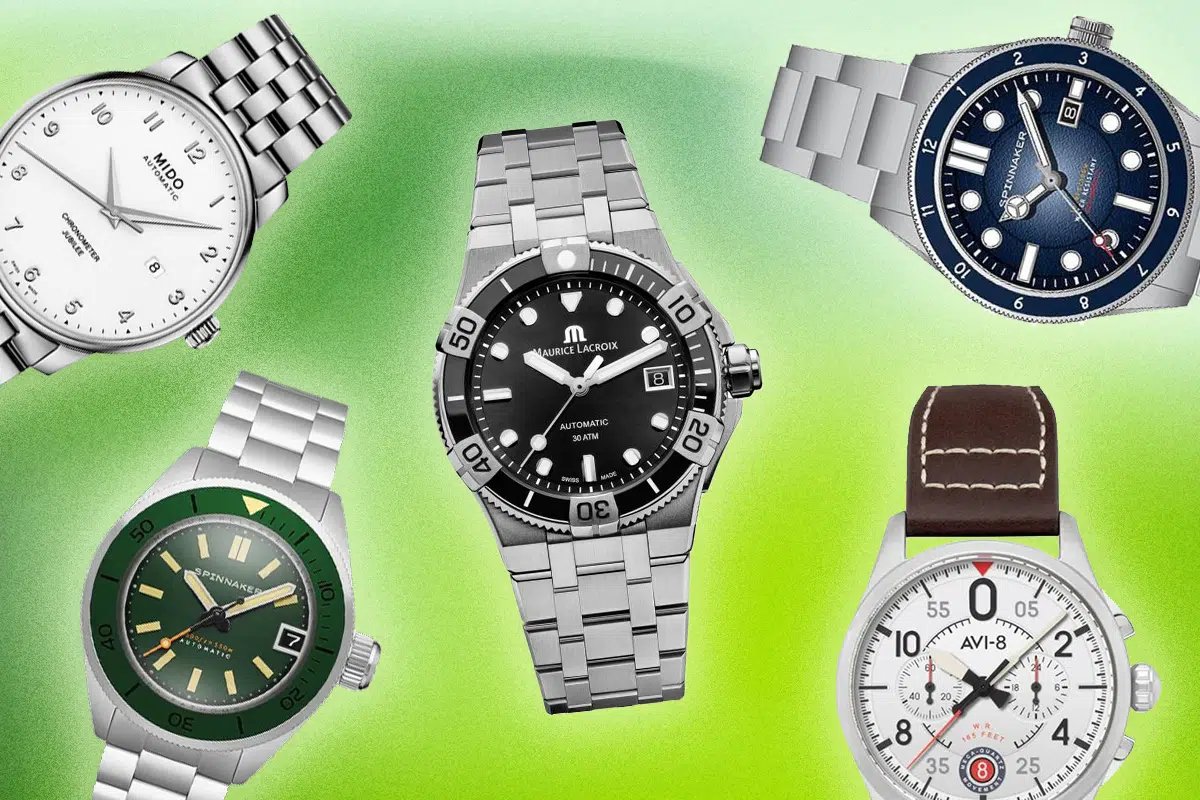
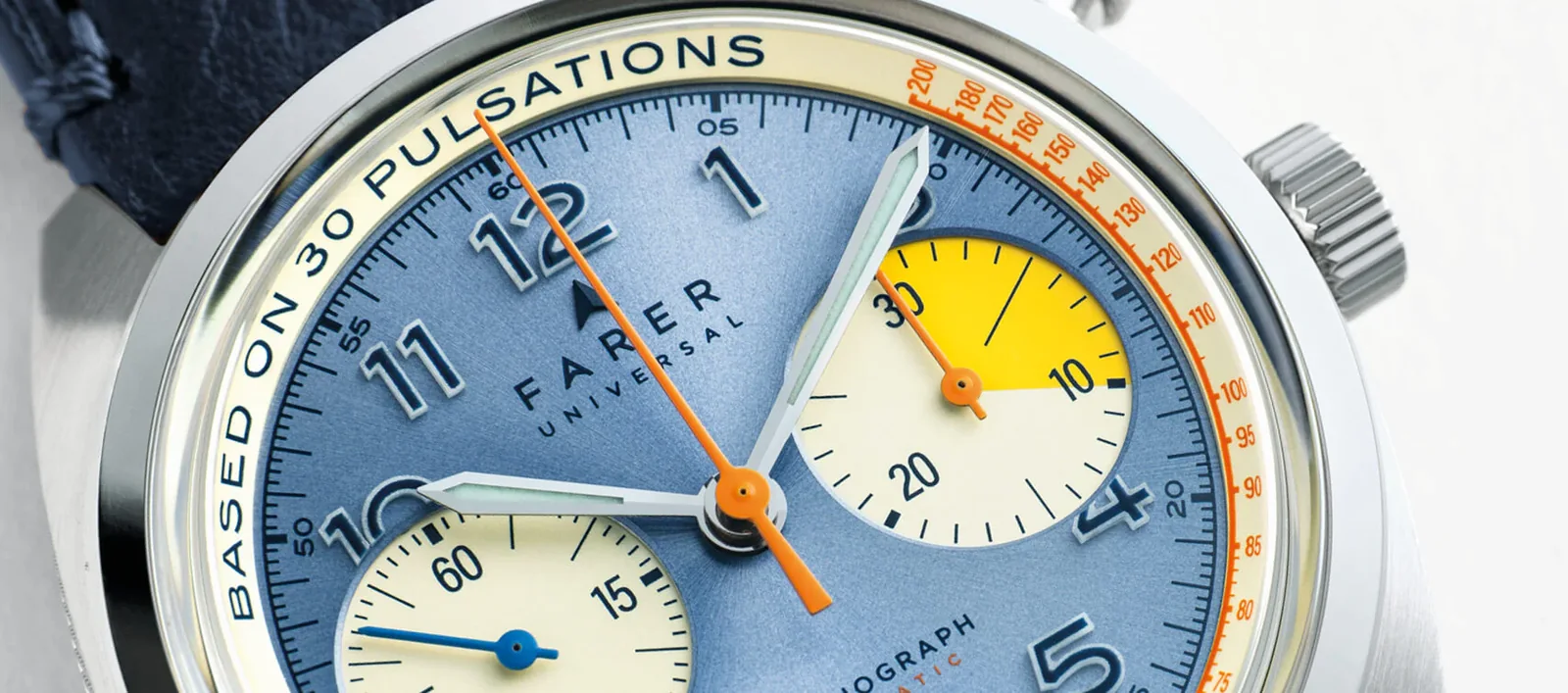
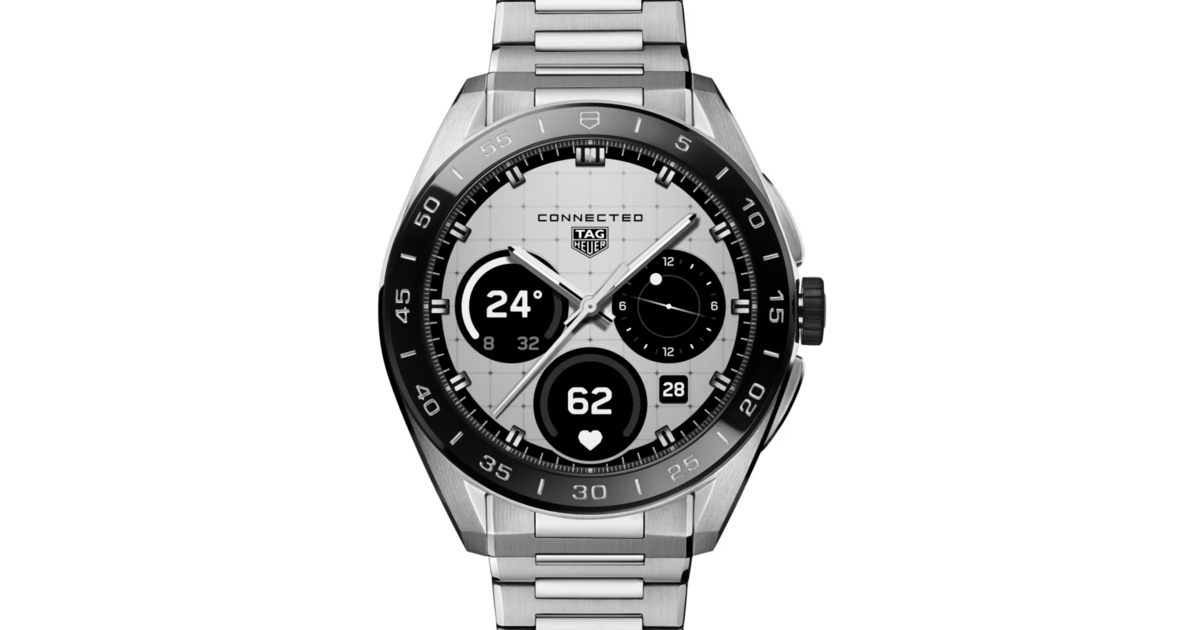
On the wrist, it all starts with a beat. That, nervous and regular, of a second hand with the frank attack of a quartz watch. Or that, felted and almost organic, of a second hand which slides on the seconds scale in a mechanical watch. This comparison does not only oppose two techniques: it tells of two visions of time, two cultures, two pleasures.
1969. Seiko unveils the Astron and quartz revolutionizes watchmaking. Precision becomes industrialized, costs drop, the watch becomes an almost infallible measuring instrument. Opposite, Switzerland closes ranks, reaffirming the excellence of the workshops and the refinement of centuries-old know-how. Since then, quartz and mechanics have coexisted, each with its arguments, rituals and myths.
Quartz: electricity at the service of precision
The principle is as simple as it is elegant. A battery sends current to a resonator-cut quartz crystal. At 32,768 Hz, the crystal vibrates extremely stable; a circuit divides this frequency to drive a small stepper motor which advances the hands, second by second. Expected result: a thin, light, very precise and undemanding watch on a daily basis. The tick-tack of the second hand which jumps from index to index becomes its visual signature.
Mechanics: handmade energy
No electronics here. A barrel spring stores the energy of your movements (automatic) or your winding (manual). The escapement releases this energy in spurts, regulated by the sprung balance which oscillates at 2.5, 3 or 4 Hz (up to 5 Hz for the “high beat”). The movement of the hands is fractional but so fine that it seems fluid: it is this hypnotic glide that has brought mechanics into culture, beyond pure measurement.
Precision and stability: the truth in numbers
If your compass is called accuracy, quartz leads the way. A standard quartz watch often runs at ±15 seconds per month. Thermo-compensated versions, which correct temperature differences, go down to ±10 seconds per year. As for radio-controlled quartz or GPS, they are based on atomic time.
On the mechanical side, everything depends on the adjustment and certification. A non-certified caliber can sail between −20 and +40 seconds per day. The best achievements are −4/+6 seconds per day (COSC) or 0/+5 seconds (METAS). They remain sensitive to position, shock and magnetism. However, silicon hairsprings and anti-magnetic cases have worked miracles over the last ten years.
Maintenance, cost and durability
Quartz shines with its simplicity. A battery to change every 2 to 5 years, a leak test, sometimes a replacement of gaskets, and off we go. Solar quartz even eliminates the classic battery in favor of a rechargeable accumulator, often lasting around fifteen years. Breakdowns exist (coil, circuit), but remain rare and often inexpensive.
The mechanics require real monitoring. A complete service every 4 to 7 years depending on use and tightness, with lubrication, adjustment and checks. The cost varies greatly: from a few hundred euros for a three-needle to much higher amounts for major complications. The advantage is very long-term repairability: a well-maintained mechanical movement can support several generations.
Ecological impact? Quartz raises the question of batteries and electronic components at the end of their life, even if the volumes remain modest. The mechanics run on the energy of the wrist and can be dismantled, repaired and transmitted. It’s up to everyone to weigh the argument according to their sensitivity.
Emotion, design and uses
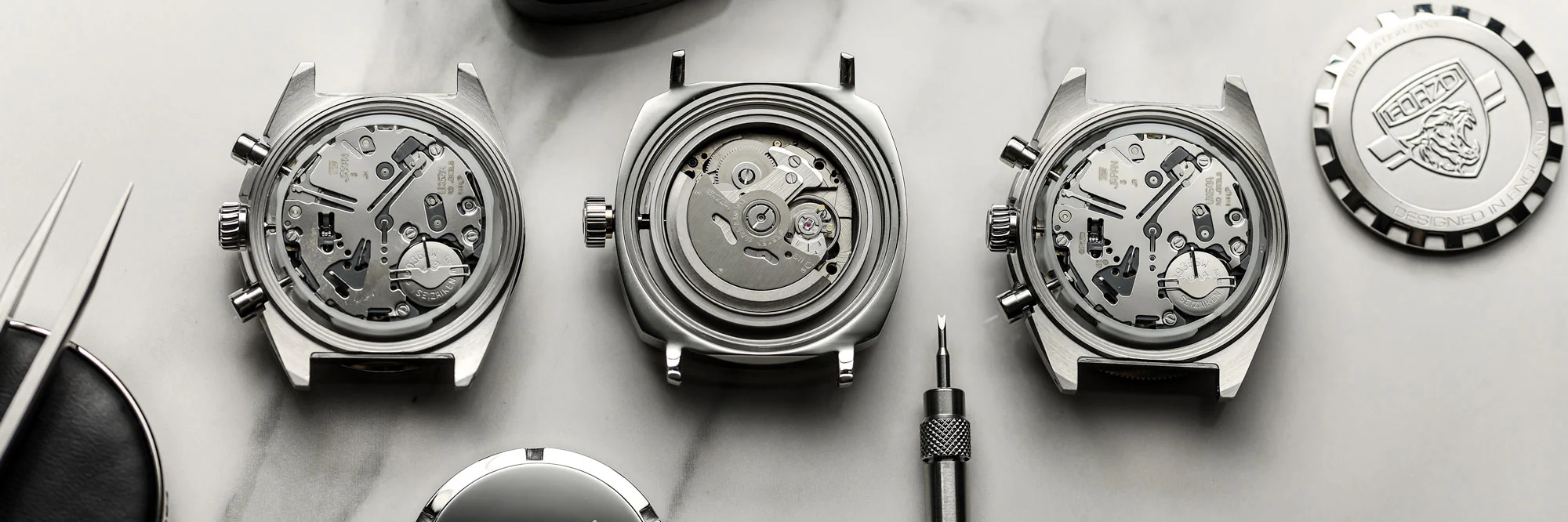
Technique shapes aesthetics. Quartz modules, which are flatter, allow for slender cases, refined designs and extremely light watches. The mechanics, more voluminous, give relief to the wrist and open the window onto a living decor: angled bridges, Geneva stripes, perlage… Beauty is not just an effect of the dial, it is also a reverse side.
And then there is the gesture. Winding your watch, feeling the click, it’s a minute to yourself, a discreet ritual. Conversely, quartz liberates: we forget about it, it does the work, ready at the time of the first meeting on Monday or takeoff at dawn.
- For everyday life without constraints, travel and intensive sport: quartz reassures with its precision and robustness.
- For the pleasure of the object, watchmaking culture and the emotional connection: mechanics offers a sensual and lasting experience.
- For affordable complications (alarm, chronograph, world time): cost advantage over quartz.
- For visible craftsmanship (finishing, micro-rotor, high frequency): mechanical advantage.
Myths and realities
- “Quartz is cheap”: false. High-end quartz features impeccable cases, sumptuous dials and exceptional thermo-compensated movements.
- “Mechanics are fragile”: let’s nuance this. A modern tool-watch, shockproof and antimagnetic, copes very well with real life if maintenance follows.
- “Quartz does not live”: that is to forget the poetry of accuracy. Charm can come from minimalist design served by clinical precision.
- “The mechanics are never on time”: a good adjustment and a routine of use are enough to remain within a very comfortable daily tolerance.
- “Complications only make sense in mechanics”: their cultural value is strong there, but a quartz chronograph often offers superior readability and measurement precision.
Ask yourself the right questions before switching to your wrist. This quartz/mechanical comparison is not a duel, it is a mirror of your habits.
- Lifestyle: Do you wear the same watch every day or do you alternate often? (The quartz restarts instantly, the mechanics may need to be reset.)
- Maintenance Tolerance: Do you prefer to change a battery every few years or schedule regular services?
- Focus on precision: Are you obsessed with the exact second, or are you looking for a more organic rhythm?
- Overall budget: include the purchase cost and the usage cost (services, batteries, seals, leak tests).
- Aesthetic affinity: jerky second hand, thinness of the case, transparent back, movement decoration… What really speaks to you?
And if you are hesitant, know that bridges exist. “Meca-quartz” chronographs combining quartz module and mechanical control offer impeccable tactile triggering. Seiko’s Spring Drive, a hybrid with electronic regulation and mechanical energy, makes the second hand slide in a hypnotic continuum. The comparison therefore does not stop at two boxes, it opens up a range of nuances.
In conclusion
Choosing between quartz and mechanics is choosing a relationship with time. The first favors accuracy and availability, the second celebrates engineering, gesture and transmission. Both are legitimate, even complementary. The ideal? Let your collection tell the story of your life: a quartz that never betrays you when precision counts, a mechanism that calmly reminds you that time is also a story of emotions. This is the most beautiful comparison. For my part, my choice was made a long time ago.