Table of Contents
What exactly is a regulator watch?
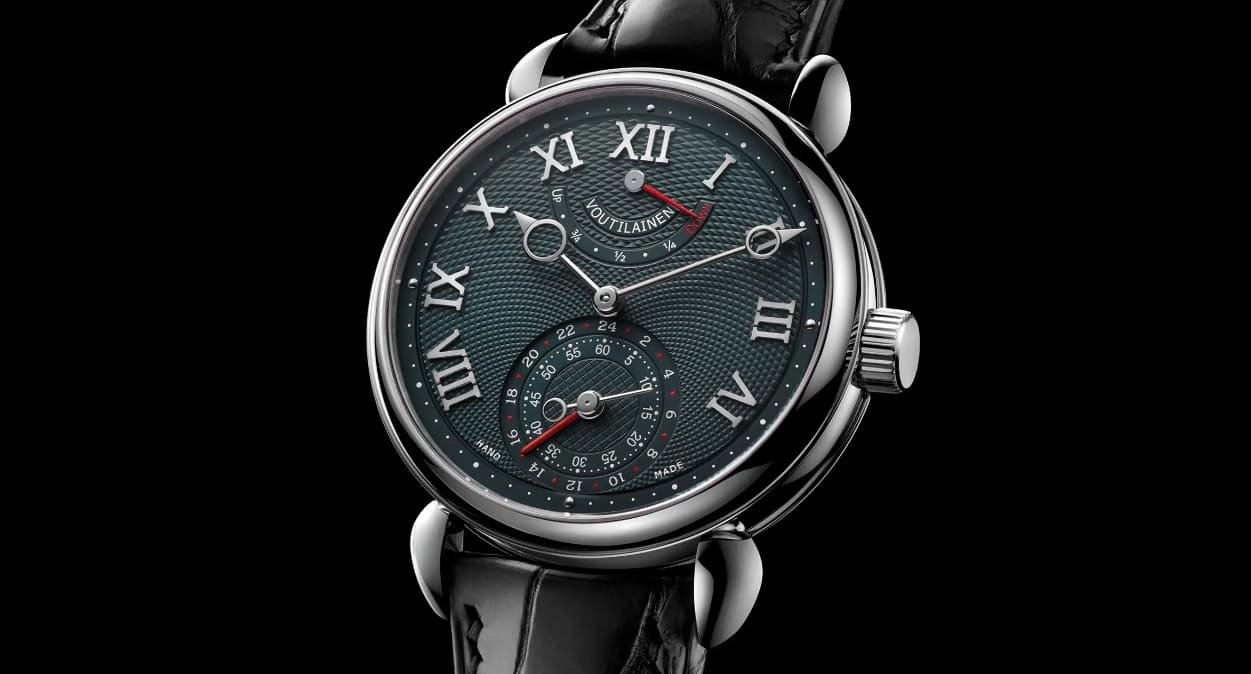
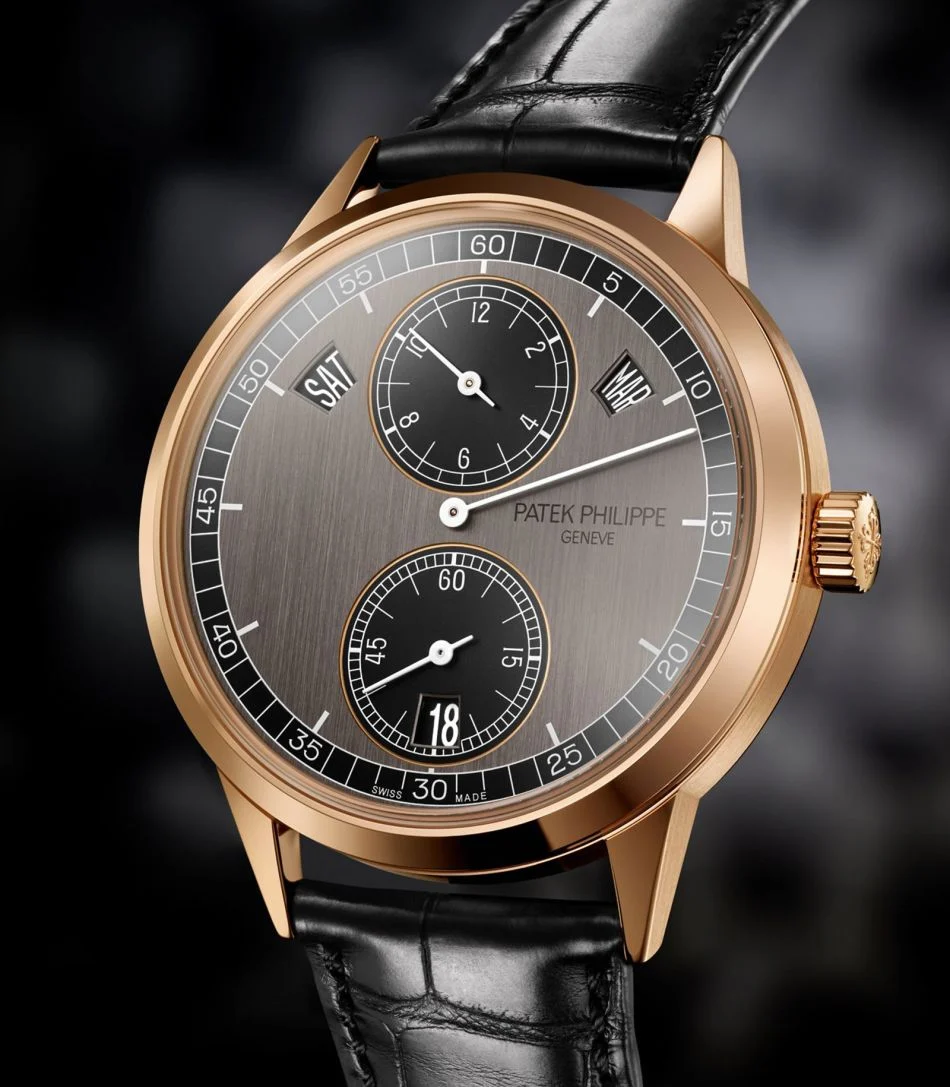
A regulator watch is a watch whose display separates the time indications: most often, the minutes occupy the center, while the hours and seconds are relegated to separate counters (at 12 o’clock, 6 o’clock or 9 o’clock depending on the model). This type of dial, although disconcerting at first glance, becomes surprisingly logical as soon as we understand its original mission. Like the railway scale used in certain watches to guarantee increased precision, the regulator meets specific needs in terms of readability and precision.
This format is not a modern eccentricity. It comes from a very down-to-earth requirement: to read the minutes with the greatest precision. At a time when setting a watch, synchronizing a workshop clock or timing experiments required almost scientific rigor, minutes counted more than anything. The regulator watch is the watchmaking translation of an obsession: that of accurate time. In this world of precision, the importance of the power reserve cannot be underestimated, as it ensures that the watch continues to run without interruption.
At the sources: the regulator, king of workshops and observatories
The word “regulator” does not primarily designate a watch, but a reference pendulum. In watchmakers’ workshops, in train stations, in observatories, extremely stable pendulums were used, often at precision exhaust and equipped with a special display: central minutes, remote hours, dedicated seconds. For what ? Because when making adjustments, we compare, we adjust, we correct and it is the minutes and seconds that serve as judge.
Imagine the workshop: open watches, movements on supports, hands placed, sometimes glass bells. On the wall, the regulating clock dictates the cadence. The “exploded” display allows quick reading, without confusion, with a clear hierarchy: the minute first. Contemporary regulator watches directly inherit this language.
It’s all a matter of method. On the majority of regulators:
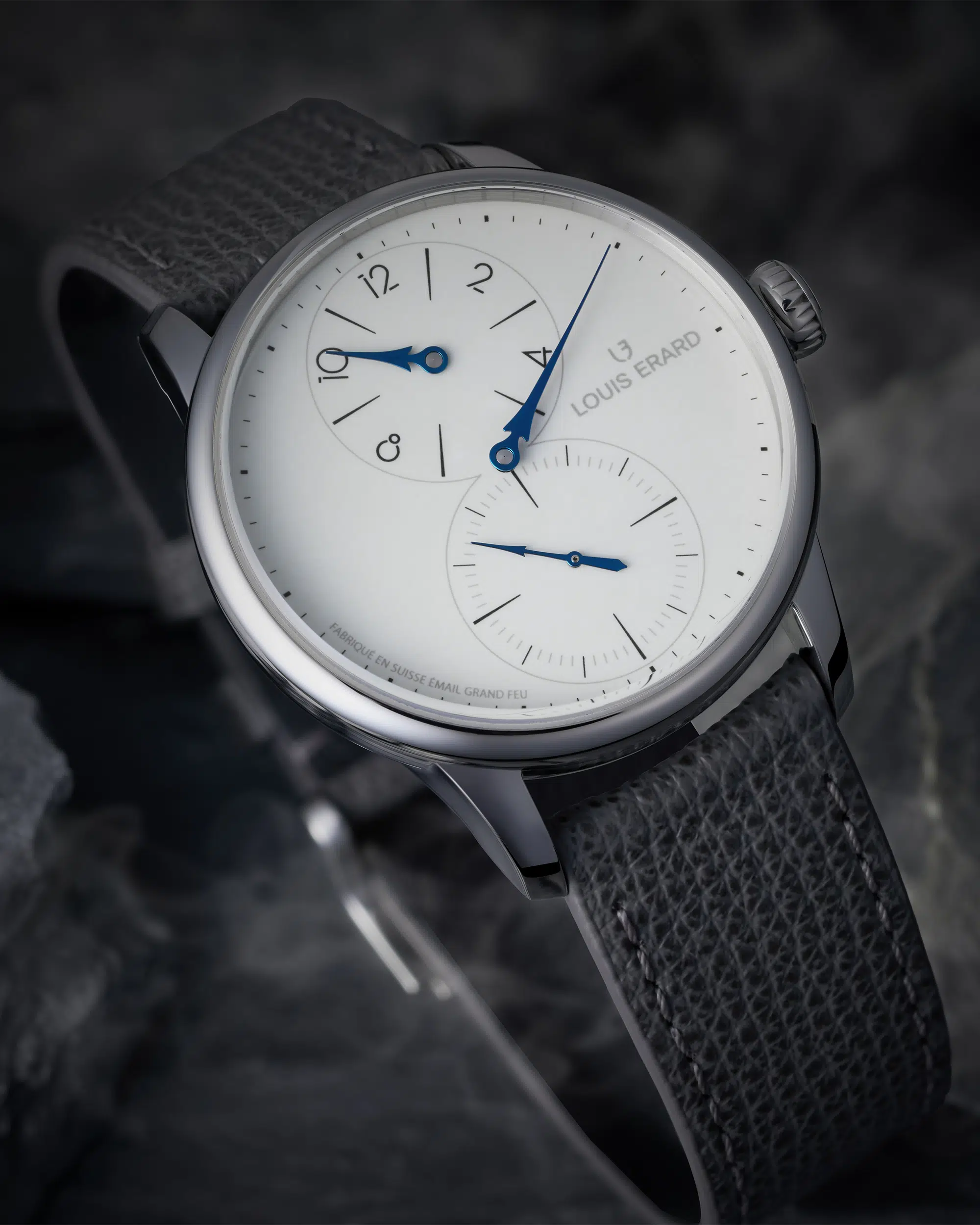
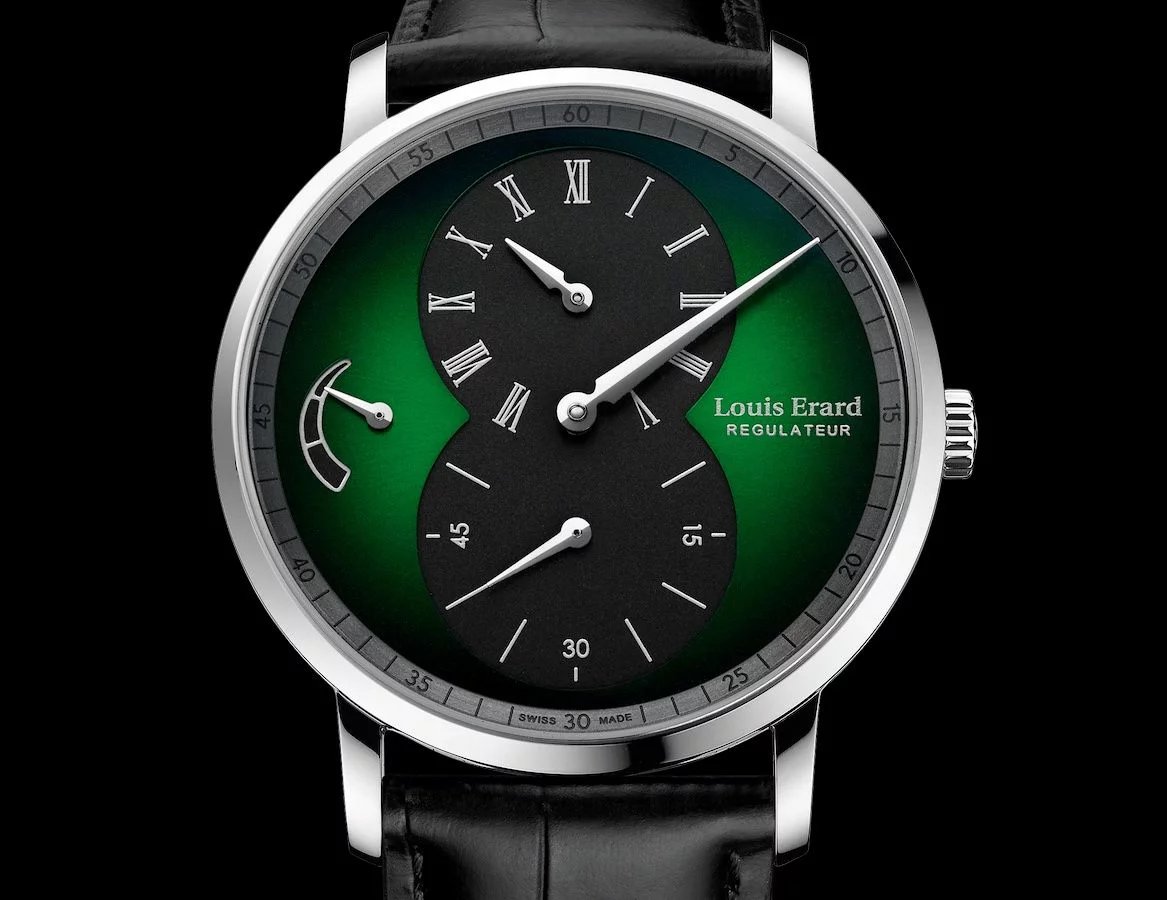
- The large central hand indicates the minutes.
- A small counter indicates the hours (often at 12 p.m.).
- Another counter indicates the second (often at 6 a.m.).
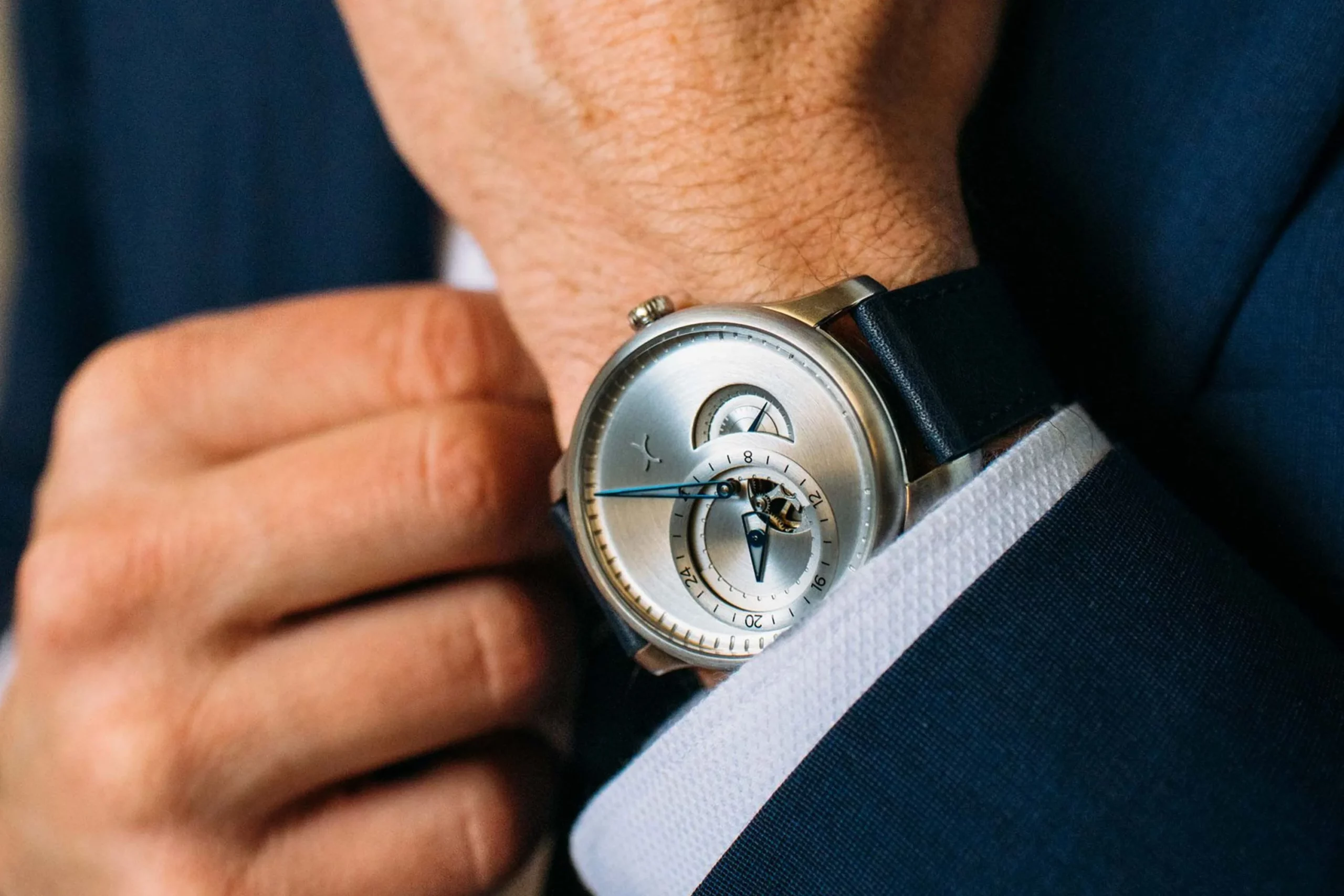
There are variations: some watches place the hours at 3 o’clock or 9 o’clock, others integrate date, power reserve, or even an off-center small seconds instead of the central seconds. But the idea remains the same: separate to clarify.
On the wrist, the experience is special. Where a “classic” watch offers intuitive reading, the regulator imposes a mini-ritual: we first read the minute, then we look for the hour. This is precisely what appeals to amateurs. The regulator is not just a display: it is a attitudea more conscious way of experiencing time.
Why is the regulator display so popular with enthusiasts?
Because it tells a story of precision
Wearing a regulator watch is a nod to the observatories and to workshopsat that time when the measurement of time was a matter of quest and merit. Even if your daily life does not consist of adjusting marine chronometers, the object retains this aura: that of an instrument born to be reliable and readable.
Because it liberates design
By dissociating hours, minutes and seconds, the regulator watch offers a graphic playground. Brands can work on circlesof the axesof the typographiesof the levels dial. Some regulators achieve perfect symmetry, others controlled asymmetry. In all cases, there is often a strong, immediately recognizable visual signature.
Because it transforms the reading of time
A regulator puts the minute at the center of the story. It’s almost a philosophy: the hour is a broad data, the minute is a decision. We understand why some collectors find it more “modern” than it seems. Paradoxically, this historical display resonates with our lives regulated by quarter of an hour, by correspondence, by diaries.
Regulator: complication or simple type of display?
In watchmaking vocabulary, we often speak of “complication” to designate an additional function (date, chronograph, moon phase, etc.). The regulator is first and foremost a display mode. It does not necessarily add a function; it redistributes information.
But be careful: for a mechanical movement, displaying central minutes + offset hours and seconds may imply a specific architecture or modules. Some houses design calibers designed from the outset for this format; others adapt an existing movement. In both cases, the challenge is to maintain clear reading and aesthetic coherence.
The main families of regulator watches
The “classic” workshop-inspired regulator
Clean dial, readable timer, well-cut counters: this is the version most faithful to the spirit of regulating clocks. Often, finishes favor clarity: sharp figures, railway lines, high contrast.
The contemporary, graphic and architectural regulator
Here, the display becomes a design manifesto. Counters can be off-center, levels superimposed, textures contrasted. Some creations even play on transparency or skeletonization, as if to remind us that time, in watchmaking, is also a matter of exposed mechanics.
The “highly watchmaking” regulator
In the fine watchmaking segment, the regulator sometimes serves as a framework for greater ambitions: extreme finishes, tourbillon, constant force, or retrograde displays. The idea remains: give the spotlight to the minute and structure the dial like an instrument panel.
Who is a regulator watch for?
The regulator is not necessarily the ideal “first watch”, precisely because it does not look for the obvious. It is aimed at those who like:
- THE atypical dials and watch design that makes sense;
- objects with a historical root clear ;
- reading time like a experiencenot as an automatism.
This is not a screaming watch. It is a watch which explains, sometimes silently, that it comes from a lineage of reference instruments. I am moved by the quality of my prose. I hope the same is true for you, dear reader.
What to look for before buying
Readability, always
A failed regulator is a confused regulator. Check the size of the timer, the distinction of the hands, the contrast and the overall balance. The goal is not to be “original”, but to make clear.
Mechanical consistency
Find out about the caliber: natively designed regulator or added module? Both can be great, but integration sometimes influences thickness, meter position, and overall feel.
Personality
Some regulator dials are very “instrument”, others more formal. The choice depends on your style: patinated leather and double-breasted jacket, or steel bracelet and minimalist silhouette. The regulator has one strength: it adapts, as long as the design remains under control.
The regulator watch is a delicious paradox: born to be a workshop reference, it has become a field of expression on the wrist. She talks about precision, method, watchmaking culture, and above all a simple idea: time reads better when it is hierarchical.
If you’re looking for a watch that doesn’t just tell the time, but tells the story of where watchmaking came from and how it learned to tame the minutes, the regulator is a fascinating gateway. An amateur’s watch, in the noble sense: one who likes to understand as much as to wear it.