Table of Contents
Recognizing the authentic: a story of details
In shop windows as on the wrists of heirs, the Swiss watch is a language. It speaks of the precision, the patience, the demands of the workshop. But faced with increasingly convincing counterfeits, how can we recognize a real Swiss watch, authentic down to its screws and its certainties? The answer lies in a sum of evidence – cultural, technical and documentary – which, taken together, paints a reliable portrait of the original.
Swiss Made, what it really guarantees
First compass: the inscription “Swiss Made”. It is neither decorative nor automatic. Since 2017, the law requires that:
- at least 60% of the value of the watch is made in Switzerland;
- the movement is Swiss, encased in Switzerland;
- the final inspection is carried out in Switzerland;
- the technical development of the product and movement is carried out in Switzerland.
Important: “Swiss Made” is not a label of absolute quality, but of origin and industrial mastery. A real Swiss can be sober, a fake can be flattering. The devil is in the execution.
Visual clues that don’t mislead
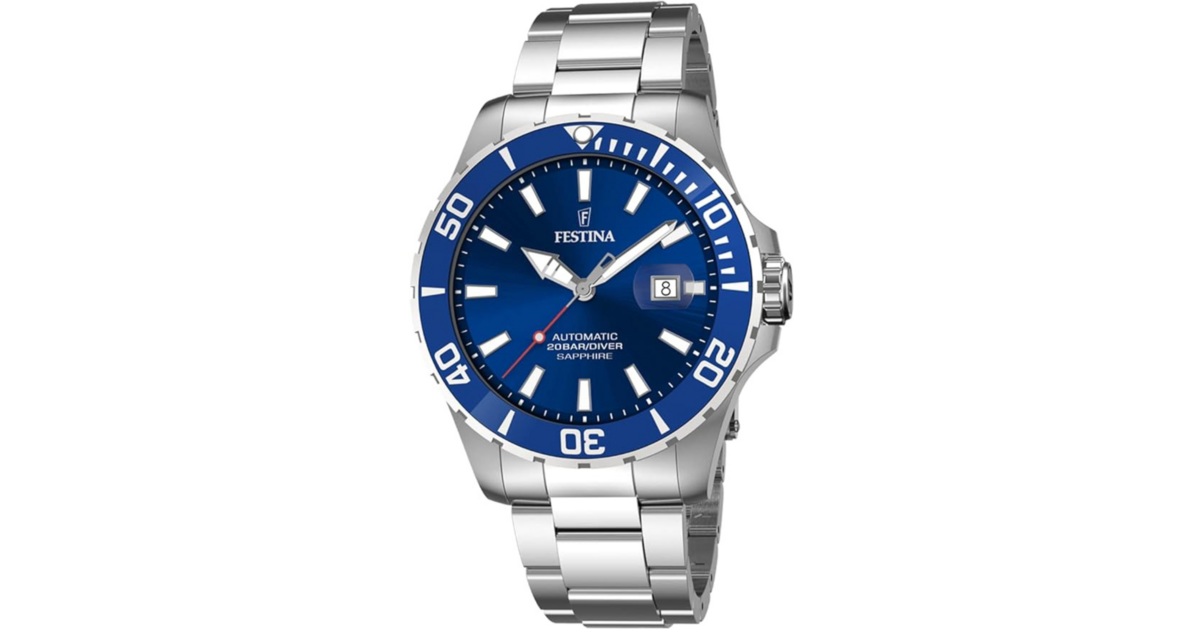
The dial and markings
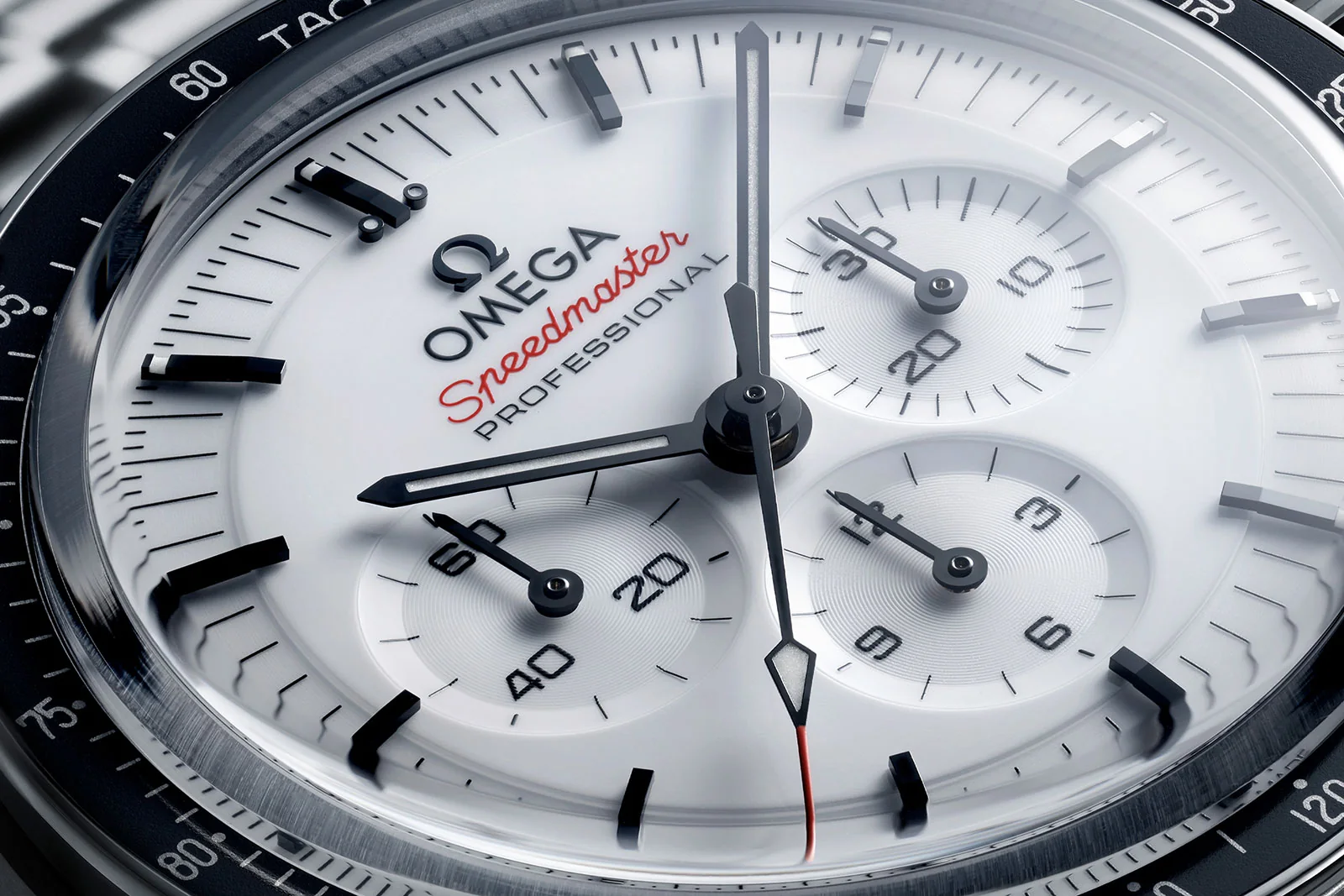
- Crisp typography: crisp, aligned letters, without burrs under the microscope (or smartphone macro). The space between characters is constant.
- Index and logo: applied (not painted) when advertised; the installation is perfectly centered, the depth regular.
- Luminova: uniformity of luminescence, without lumps or overflows.
- Mentions: “Swiss” or “Swiss Made” positioned and proportioned according to the brand’s standards; no mistakes, no fanciful mentions.
The box and its finishes
- Edges and alternating finishes: brushed and polished meet with a clean line, without blurring. The angle is clear, the beveling consistent.
- Case back and crown: deep, clean engravings; firm crown with regular notching and precise logo; crown and bottom gaskets correctly adjusted.
- Glass: sapphire often anti-reflective treated; from certain angles, slight bluish reflection. Brands sometimes communicate on AR – check the technical sheet.
The bracelet and the buckle
- Steel: links assembled without excessive play, clean chamfers, suitable screws (no damaged heads upon purchase).
- Leather: regular tanning, straight stitching; clear stamp and provenance.
- Buckle: fine engraving, firm ratchet; absence of sharp edges.
The heart of the watch: an authentic Swiss movement
The Swiss soul meets the caliber. Even without a transparent background, a few signs betray authenticity:
- Winding: On the wrist or crown, the feel is smooth, with no hesitant notches. Date changes are crisp, with no prolonged floating.
- Seconds: on a 4 Hz automatic, the second hand slides at 8 micropulses/second. A second hand that is “too smooth” on a so-called mechanic is suspect.
- Sound: a regular, discreet ticking sound. Pronounced metallic noises or friction are a red flag.
If the background is transparent, look for:
- Decorations: Côtes de Genève, perlage, regular polished beveling, blued screws (thermally, not painted).
- Rotor: clean engraving, aligned flyweight, smooth rotation without snags.
- References: caliber number consistent with official documentation (ETA, Sellita, Manufacture, etc.).
Certifications: when precision becomes proof
Certification is not mandatory, but it is a powerful indicator of legitimacy and ambition.
- COSC (Official Swiss Chronometer Testing): movement test; tolerance -4/+6 s/d. Individual certificate.
- METAS Master Chronometer (Omega, others will follow): finished watch, magnetic resistance ≥ 15,000 gauss, precision -0/+5 s/d.
- Geneva hallmark (Vacheron Constantin, Cartier Haute Horlogerie, etc.): finishing and origin criteria in the canton of Geneva.
- Fleurier quality: battery of cumulative tests (COSC, Chronofiable, Fleuritest).
A real Swiss watch may not carry any certification, but an authentic certification is difficult to falsify and strengthens traceability.
Papers, numbers, traceability: proof that reassures
- Serial number: clearly engraved, position and format consistent with the brand’s customs; it must match the warranty card.
- Warranty card/“digital passport”: QR code or NFC increasingly common (Breitling, IWC, AP, etc.). Check activation on official portals.
- Box and booklets: quality of printing, instructions in several languages, exact references.
- History: invoices, revisions stamped by an approved center, consistency of dates.
- Registers: check the number on anti-theft bases (The Watch Register) in case of second-hand purchase.
Where to buy: the Swiss ecosystem as an ally
Purchasing from an approved retailer, brand store or certified platform drastically reduces the risk. On the secondary market, favor:
- Recognized merchants with in-house watchmaking workshop and own guarantee;
- Recent “full set” parts with e-warranty;
- Verification in person and, if possible, opening at an independent watchmaker.
The most common pitfalls
- Price too good to be true: an unreal discount does not exist on icons in high demand.
- Anachronisms: model, dial, hands or buckle from mismatched periods (beware of “Frankenwatches”).
- Credible false papers: imitated plastic cards, valid numbers but from another watch.
- Flattering Photos: Claim sharp macros of the dial, case back engraving, movement and serial number.
Swiss culture: time as a signature
Watchmaking Switzerland has built its reputation on redundancy of control. Observatories yesterday, laboratories today; guilds and schools; houses which publish their tolerances and service times. A real Swiss watch can also be recognized by this system: the warranty card that activates, the customer service that responds, the serial number that “speaks” when questioned.
Express checklist before buying
- Swiss Made conforms to brand specifications and year of production.
- Serial number legible and matching the card/papers.
- Coherent movement (reference, decor, behavior) and careful finishes.
- Verifiable certifications where applicable (COSC, METAS, Poinçon de Genève, Fleurier Quality).
- Authorized reseller or documented provenance, transparent history.
- Perfect alignments, crisp engravings, precise winding feel.
- Cross-verification via official portals or independent watchmaker.
As a conclusion
Recognizing an authentic Swiss watch means agreeing to slow down: observe, touch, listen, check. The truth is rarely spectacular; she is methodical. And at the end of this method, there is the right object — the one which tells, beyond the logo, a Swiss way of thinking about time: demanding, precise, faithful.