Beneath the surface, a simple idea: measure time to survive
Before becoming style signatures in the office, diving watches were born from a vital imperative: knowing how many minutes remain before having to wind up. In the 1940s and 50s, while Jacques-Yves Cousteau and Émile Gagnan democratized underwater autonomy and combat swimmers increased the number of missions, watchmaking descended sustainably below the waterline for the first time. Under pressure, the weather thickens, visibility becomes rarer, the salt eats away everything. This raw reality will impose specifications as radical as they are elegant, which will become the grammar of modern divers.
From combat tools to design icons
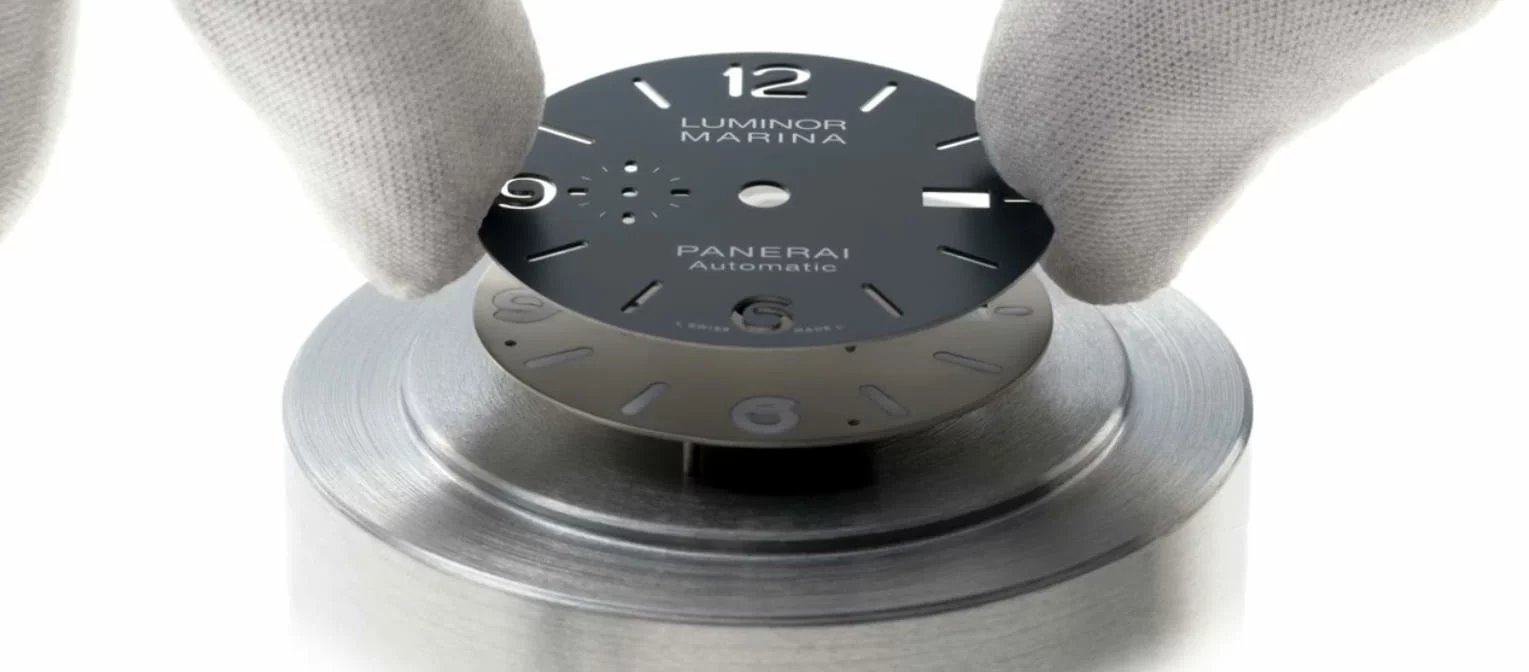
The first heroines are called Panerai Radiomir and Rolex Oyster: robust cases, readable dials, radium paint to light up the darkness. But the real turning point came in 1953. At Blancpain, Jean-Jacques Fiechter, a passionate diver, imagined a watch meeting the concrete needs of French combat swimmers: the Fifty Fathoms. High readability, advanced water resistance, rotating bezel to time immersion, anti-magnetic system, double crown seal.


The same year, Rolex unveiled the Submariner, which in turn set the codes of the genre. In “The World of Silence”, Cousteau wears a Fifty Fathoms: the image is strong, the tool becomes myth. Still at the same time, we could also talk about the Super compressor (read my article).


The visual language of divers
- Rotating bezel with well-contrasted timer, ideally unidirectional to avoid any accidental extension of the background time.
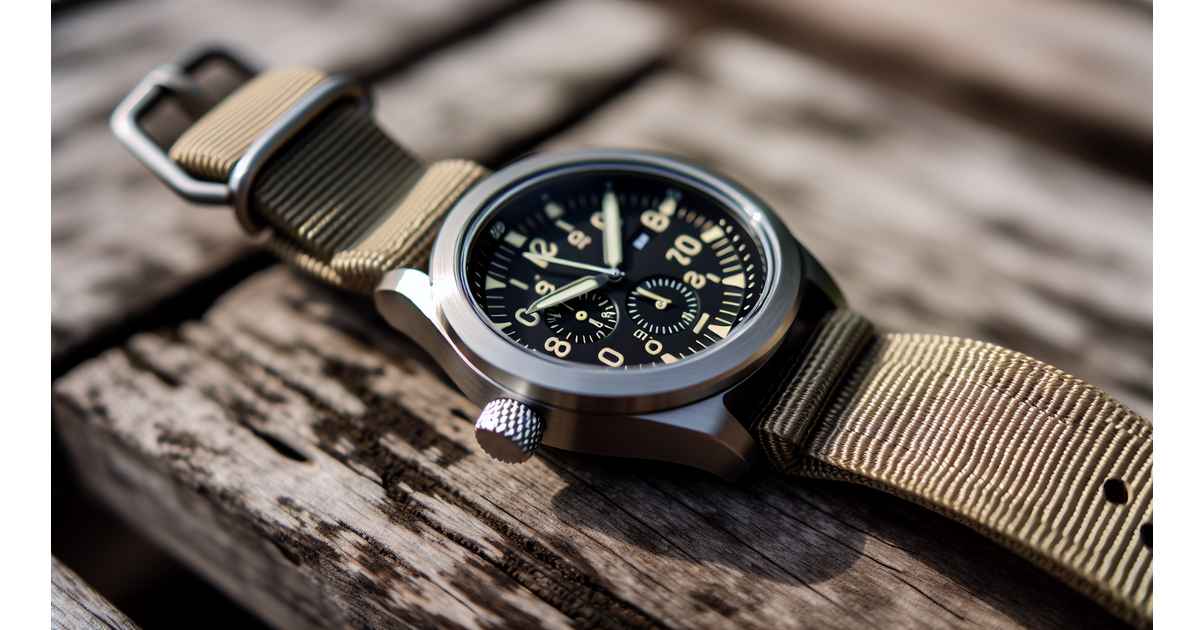
- Matte black dial, oversized geometric indexes and differentiated hands for instant reading.
- Screwed crown and back, reinforced joints, 316L or 904L steel cases, sometimes titanium for lightness and corrosion resistance.
- Thick glass (period plexiglass, sapphire today) and anti-reflective treatment to counter shimmer.
- Extendable bracelets (on “Tropic” rubber, steel with wetsuit extension, or G10 type textile) to go over the wetsuit.
- Powerful luminescence: radium yesterday, tritium then, Super‑LumiNova today.
When technique dictates form


Every detail of a modern diver is the echo of physical constraint. The bezel, initially bidirectional, became standardized unidirectional in the 1970s for safety. Readability dictates aesthetics: matte surfaces, high contrast, generously luminescent indexes and hands. On the sealing side, progress concerns seals, compression and the architecture of the cases. Seiko opened an essential chapter with the 62MAS in 1965, then, in 1975, the one-piece “Tuna” and its L-shaped joint, designed to withstand extreme pressure and thermal shock.
Color, too, comes from the terrain. DOXA dared to use orange in 1967 on the SUB 300, tested in conditions and found to be more visible at certain depths; its bezel combines minutes and a non-decompression table based on US Navy recommendations. The partnership with US Divers – Cousteau’s company – anchors the idea that functionality can be bold and seductive.
The saturation test


With saturation diving, another challenge emerges: helium seeps into the watch during long immersions in a hyperbaric chamber, then seeks to escape during decompression, risking ejecting the glass. The answer? The helium valve. Popularized by the Rolex Sea-Dweller developed for COMEX at the end of the 1960s, and by the DOXA SUB 300T Conquistador, it became the symbol of professional diving.
Omega chose an alternative path with the Seamaster 600 “Ploprof” (1970): one-piece case, bezel lock, philosophy of integral sealing rather than valve. In all cases, form follows function.


The ISO 6425 standard: writing the law of the sea
In 1982, ISO 6425 put in black and white what divers already knew empirically: readability at 25 cm in the dark, precision, resistance to shocks and magnetic fields, minimum water resistance of 100 m (200 m having become the serious reference), graduated bezel, power indicator. Certification is not compulsory, but it has streamlined know-how. Since then, the tool has continued to be refined: ceramic on the glasses to resist scratches, domed sapphire, more efficient steels, long-lasting luminescent treatments and micro-adjustment clasps to adjust the wrist throughout the day.
From the pit to the office: why they still seduce us
The paradox is delicious: the advent of diving computers made the mechanical watch almost superfluous underwater, but elevated it on land. Because the diver tells a story: that of our limits, of exploration and reliability. On the wrist, a Submariner, a Fifty Fathoms, a modern Seiko Prospex 62MAS or a DOXA SUB evoke the clicking of the bezel before the switch, the smell of neoprene, the green glow in the darkness. This utilitarian poetry, made of cruciform screws and nitrile gaskets, has conquered the city. And if most “desk divers” will never see 20 meters, they claim an honest style: beautiful because designed to serve.
Choose the right diver today
- Actual use: 200 m of water resistance, unidirectional bezel and generous Super-Luminova are sufficient for 99% of situations.
- Comfort: try the extender clasp, lugs and balance on the wrist; titanium is a game changer.
- Readability: distinct hands, clear indexes, effective anti-reflective; avoid overloaded dials.
- Standard and service: ISO 6425 if you dive, solid after-sales service network and parts available.
- Culture: Fifty Fathoms, Submariner, Seamaster, Pelagos, Superocean, Prospex, Promaster or DOXA? Choose the icon whose story resonates with you.
A culture born under pressure
Basically, the sea dictated the rules and watchmaking sublimated them. From the notched bezel that is turned like a ritual to the indexes that light up with the softness of a lighthouse, each modern diver carries the memory of a demanding environment. It is this memory, a mixture of salt, steel and elegance, that makes the hearts of enthusiasts beat faster. Diving has shaped our watches. They, in turn, shape our imagination of adventure.