Thomas Kaufmann
-
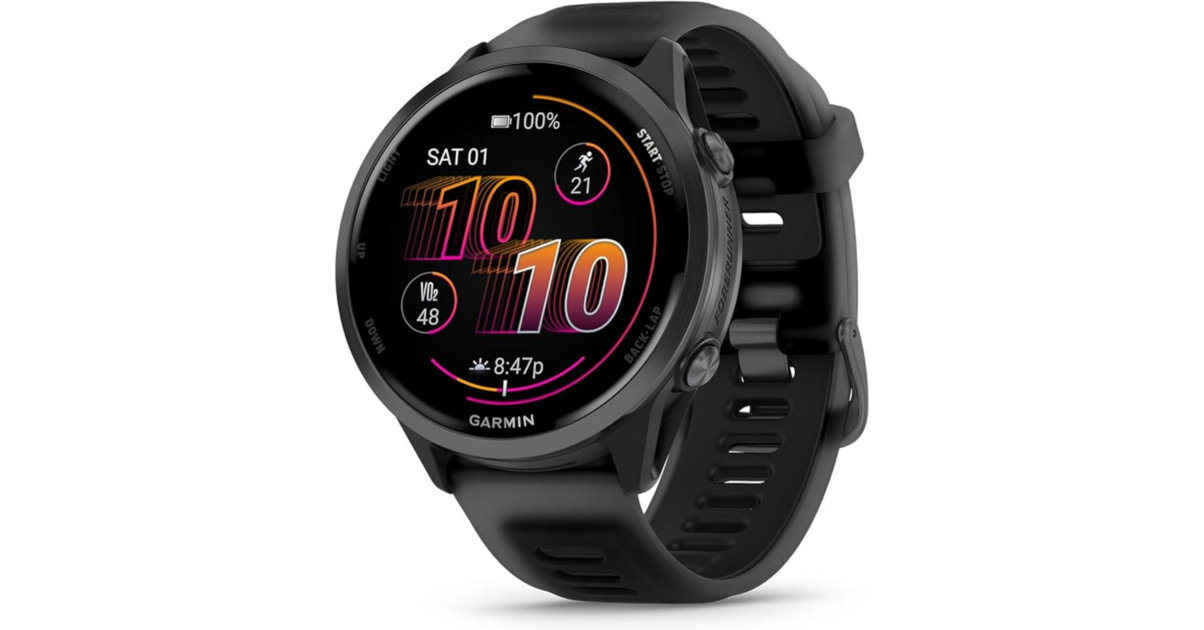
Garmin Forerunner 570: A Comprehensive Review of This Smartwatch
Forget nostalgia. If you still have a 245 on your wrist, it’s prehistoric. The question with this Garmin Forerunner 570is to know if the technological leap justifies dropping half a minimum wage for a shiny screen. We sanded it over 200 terminals, between splits under the fleet and long outings on Sunday. This is what
-
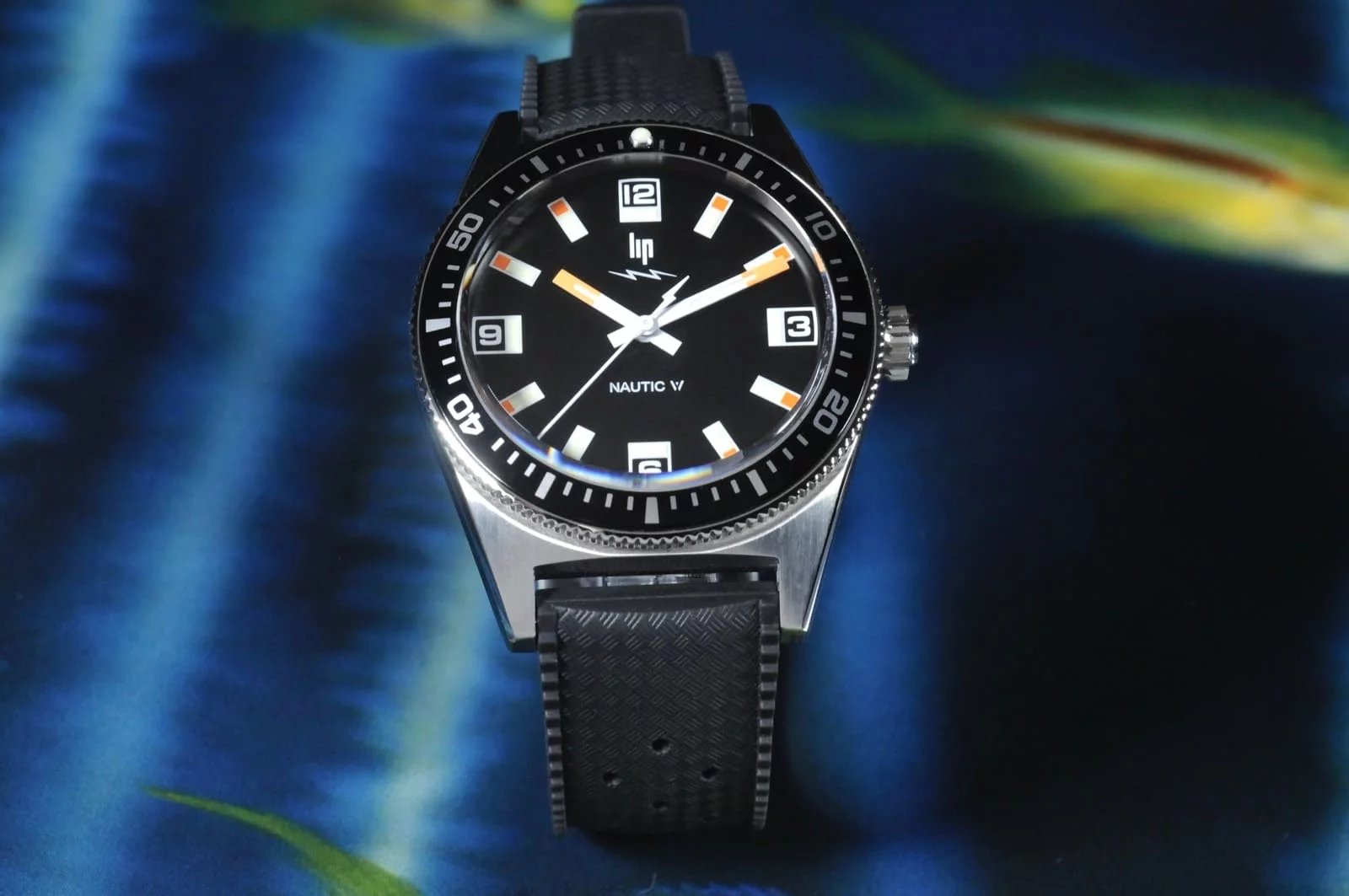
Lip Unveils the Nautic 3: Introducing Four New Accessible Dive Watches
Lip puts the Nautic 3 back in the spotlight with four new references, including a limited edition collaboration. These diving watches, water-resistant to 200 meters, in a compact 39 mm format, embody the evolution of modern diving watches, born from a vital imperative underwater. Offered at prices that remain down to earth (we applaud the
-
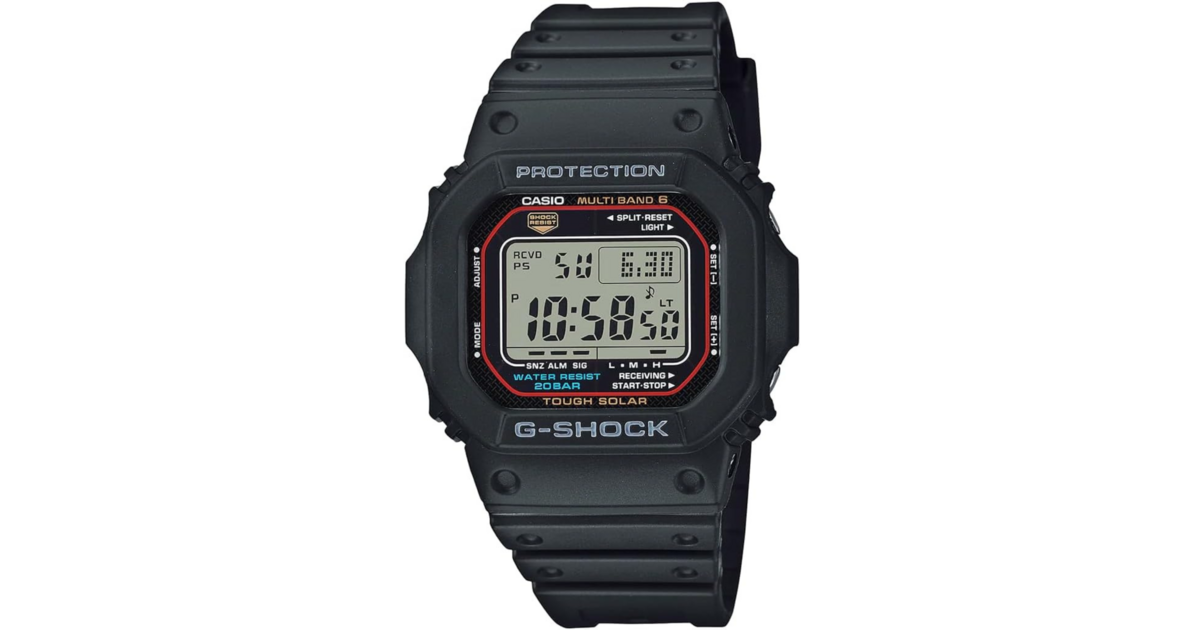
GW-M5610U Review: The Must-Have Solar G-Shock – Classic Timepieces
Element What changes on a daily basis Why the GW-M5610U scores points Solar charging Fewer “surprise” breakdowns Autonomy designed to last, without a quick appointment LED lighting Night reading, without weird angles Screen usable in town or in bivouac Alarms / chrono Sport + work rhythm Direct functions, no unnecessary complexity Legendary G-SHOCK ruggedness perpetuated
-
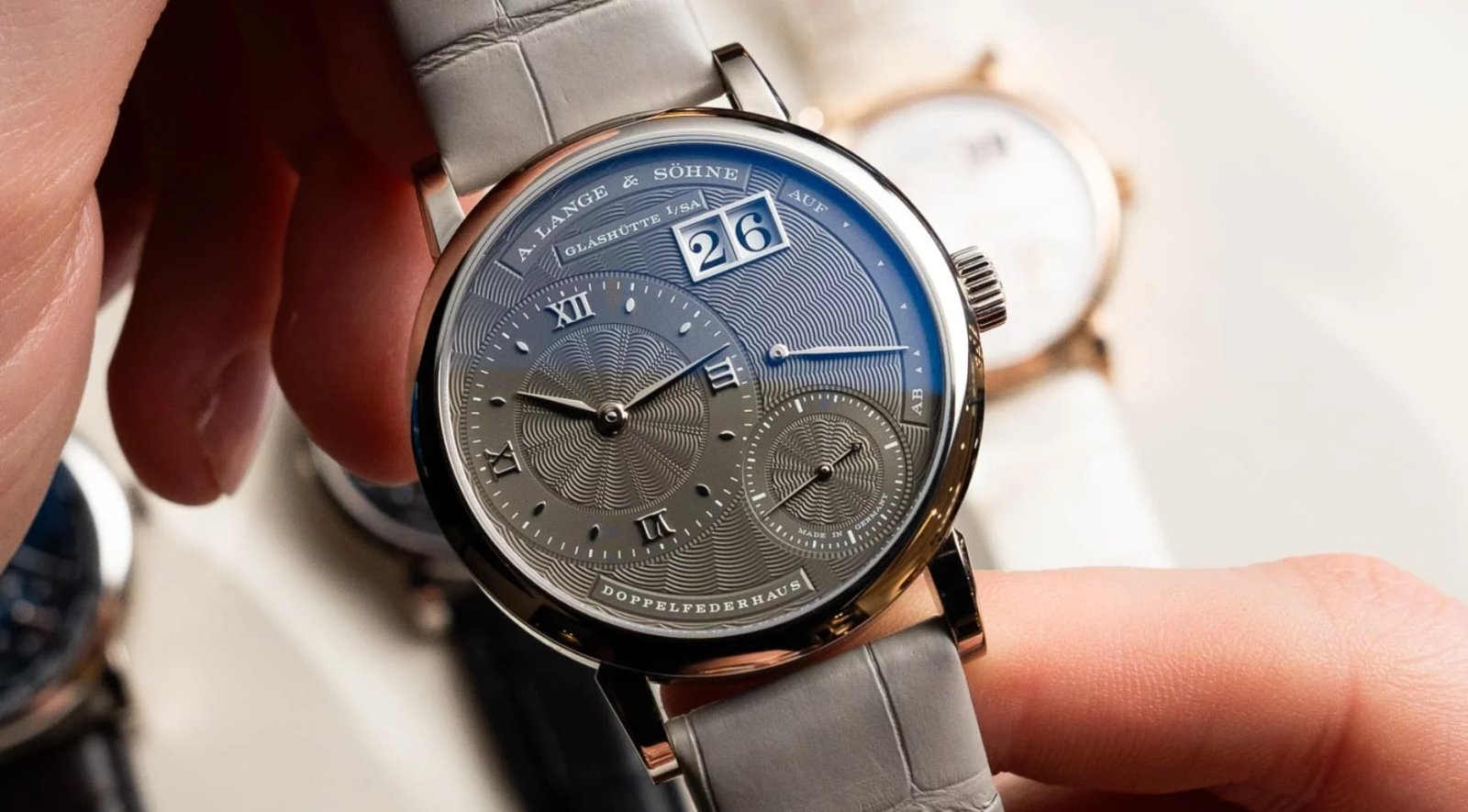
The Rise of the Lange 1: A Benchmark Timepiece in Germany
A watch born from a country to rebuild When we talk about reference watches, the conversation often turns to Switzerland, its valleys and its dynasties. However, in the heart of Saxony, another story is playing out: that of a return. There Diaper 1 is not only a remarkable watch; it is a cultural symbol, a
-
Why Do Some Watches Stop When Not Worn?
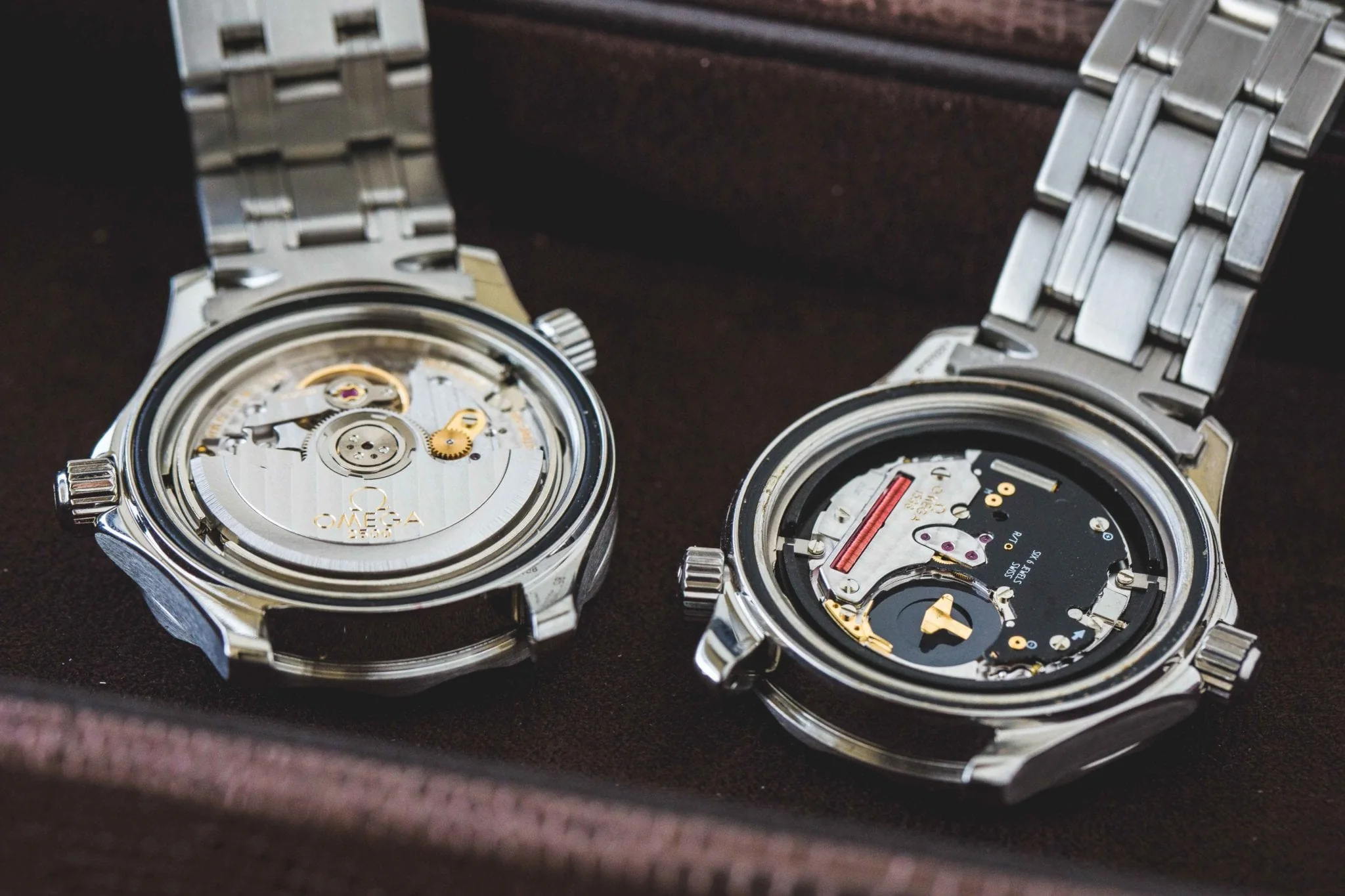
The little drama of the morning: a frozen watch, time suspended There is this gesture, intimate and almost ceremonial: grabbing your watch from the bedside table, feeling the cold metal or the weathered leather, then realizing that the seconds hand is still. Everything stops suddenly, as if the object decided to shut up. We shake
-

5 Pitfalls to Avoid When Purchasing a Budget Women’s Watch
FAQ: Questions you ask yourself What is the minimum budget for a good, inexpensive women’s watch? Between €50 and €150. Below €50, you risk a rotten move. Above €150, it’s no longer “cheap”. In this range, you find reliable watches with Miyota or Ronda. How long does an inexpensive women’s watch last? With good movement
-
Depth Testing, Robustness, and Real-World Underwater Applications
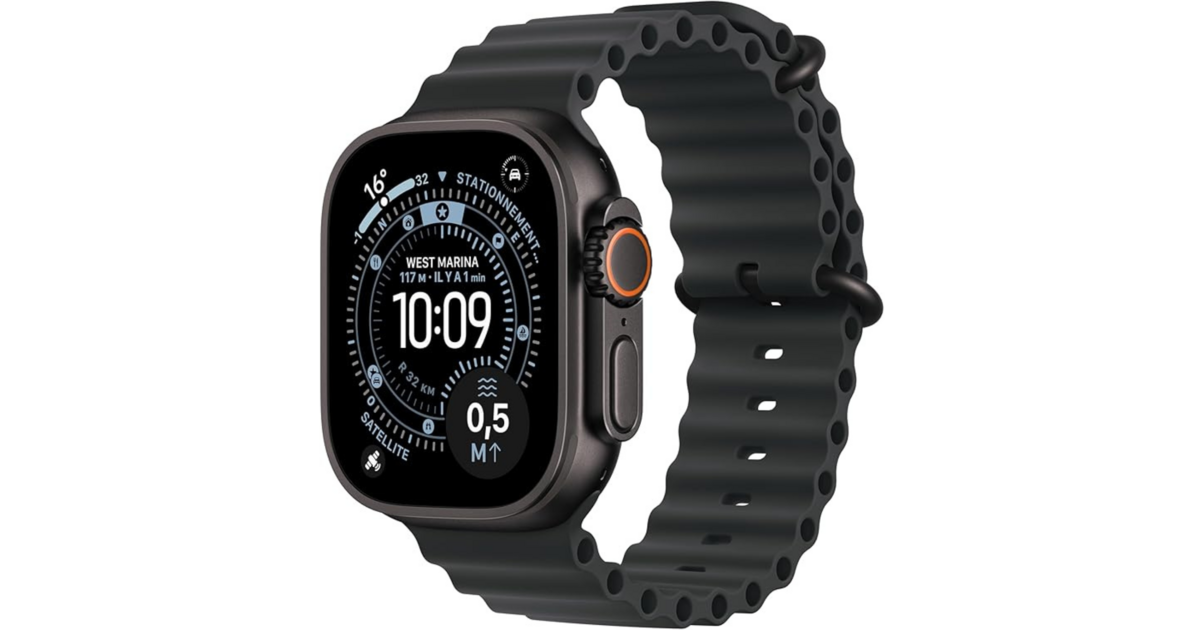
Depth test: real accuracy underwater This is where we stop reading the ads and dive into reality. How does the built-in depth gauge work? Integrated pressure sensor. Converts water pressure to meters. Simple. But sensitive to bubbles, rapid movement and temperature. Accuracy measured at 5m, 20m and 40m 5m: ±0.2m 20m: ±0.5m 40 m: ±1
-
The Allure of Enamel Dial Watches: Why They’re Highly Coveted
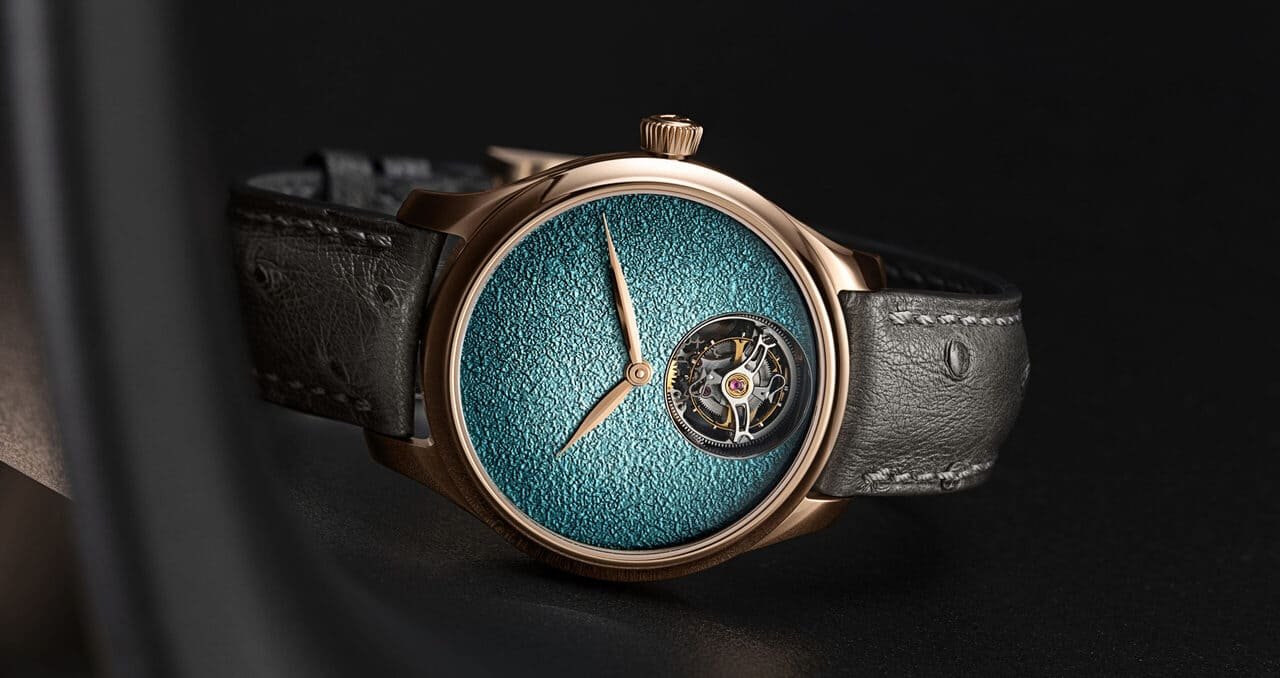
The enamel dial, this silent luxury that never goes out of style In a watchmaking world saturated with spectacular finishes, new textures and bold colors, the enamel dial advances quietly. He doesn’t try to dazzle at first glance, and that’s precisely what makes him magnetic. There’s nothing flashy about its shine: it’s more reminiscent of
-
Review of the Citizen Promaster BN0150
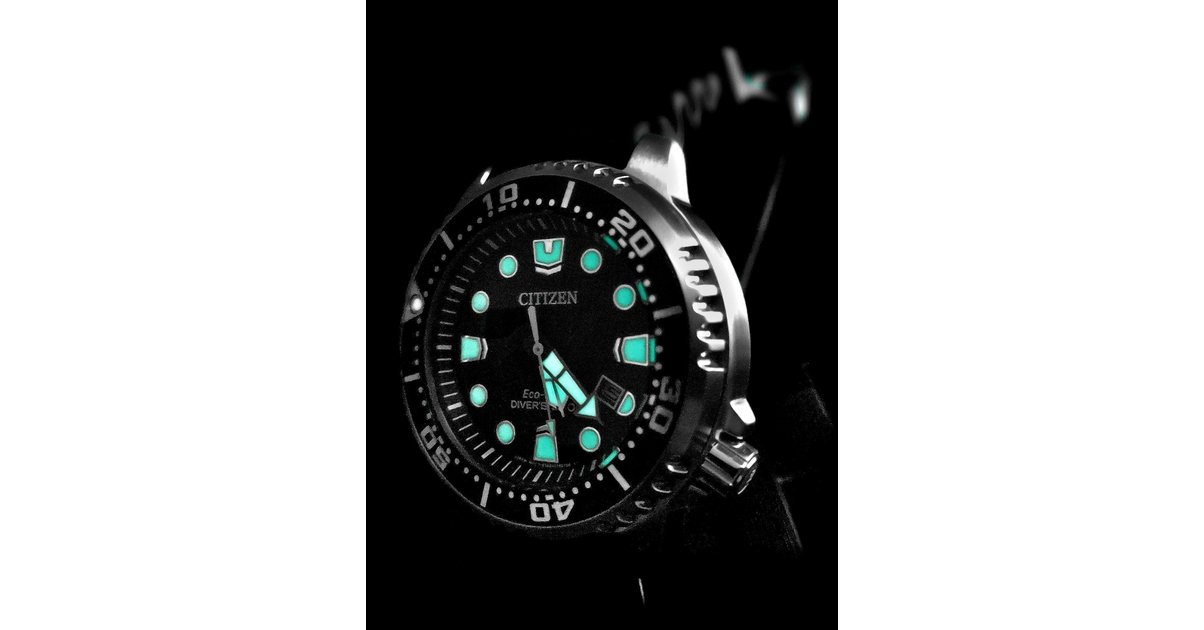
Diving watch: the Citizen that everyone agrees on See price and reviews Highlights Robustness and proven reliability Eco-Drive technology = unlimited range Excellent value for money Serious waterproofing Weak points Mineral glass (vs sapphire) Basic bracelet Not very original design Verdict: The Citizen is solid, waterproof and precise. Blue dial easily readable day and night.
-
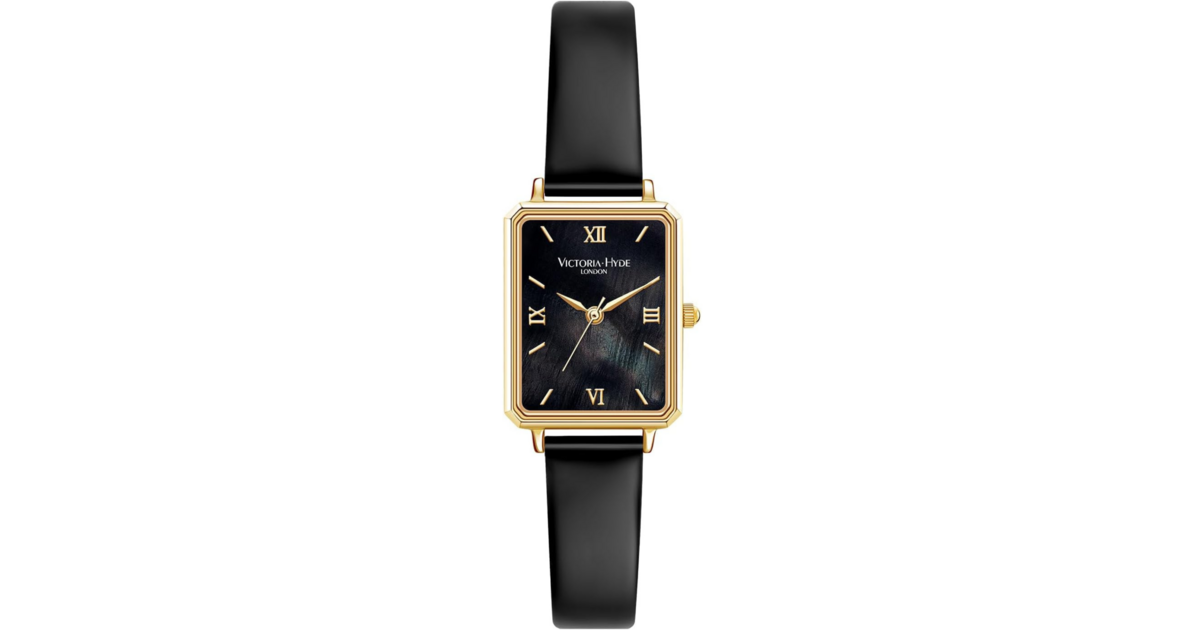
Affordable Small Dial Watches for Women
Citizen is the brand for those who want a watch that works without batteries. Eco-Drive is technology that recharges the battery with light. You never change the battery. Diameter: 28mm Movement: Eco-Drive (solar) Bracelet: steel or leather Waterproof: 50 m Price: 100-150 euros It’s more expensive, but you never have to worry about the battery.
-
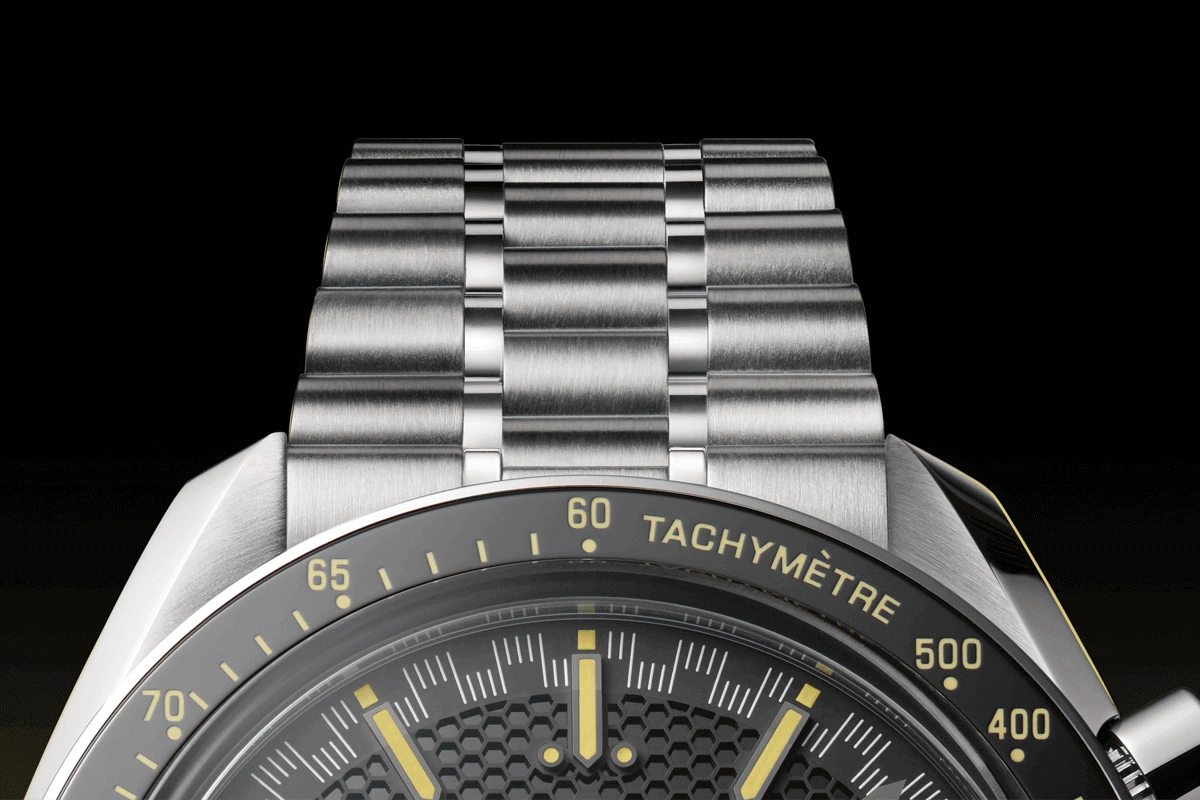
How to Interpret the Tachometer on Your Sports Watch
The tachometer: from practical function to identity marker On a sports watch, the tachymeter is that detail that catches the eye even before the chronograph is started: a numerical scale on the bezel or on the flange, often graduated from 60 to 500 (sometimes more). Halfway between on-board instrument and aesthetic signature, it recounts a
-
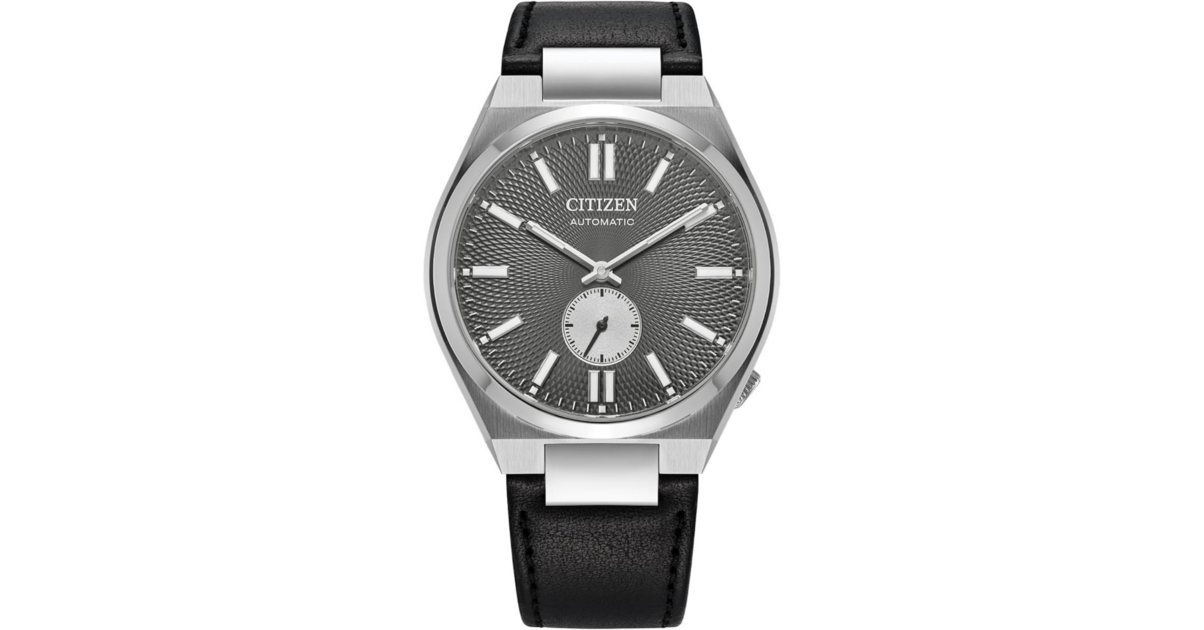
Citizen Watches: Your Ultimate Guide to Reviews and Comparisons of Classic Timepieces
1. Citizen History and Technologies 1.1 Who is Citizen? Citizen is a Japanese company founded in 1918 in Tokyo. Originally called the “Shokosha Watch Research Institute”, it was renamed Citizen in 1930, symbolizing the ambition to create watches for all citizens of the world. Today, Citizen is the largest watch manufacturer in the world in
-
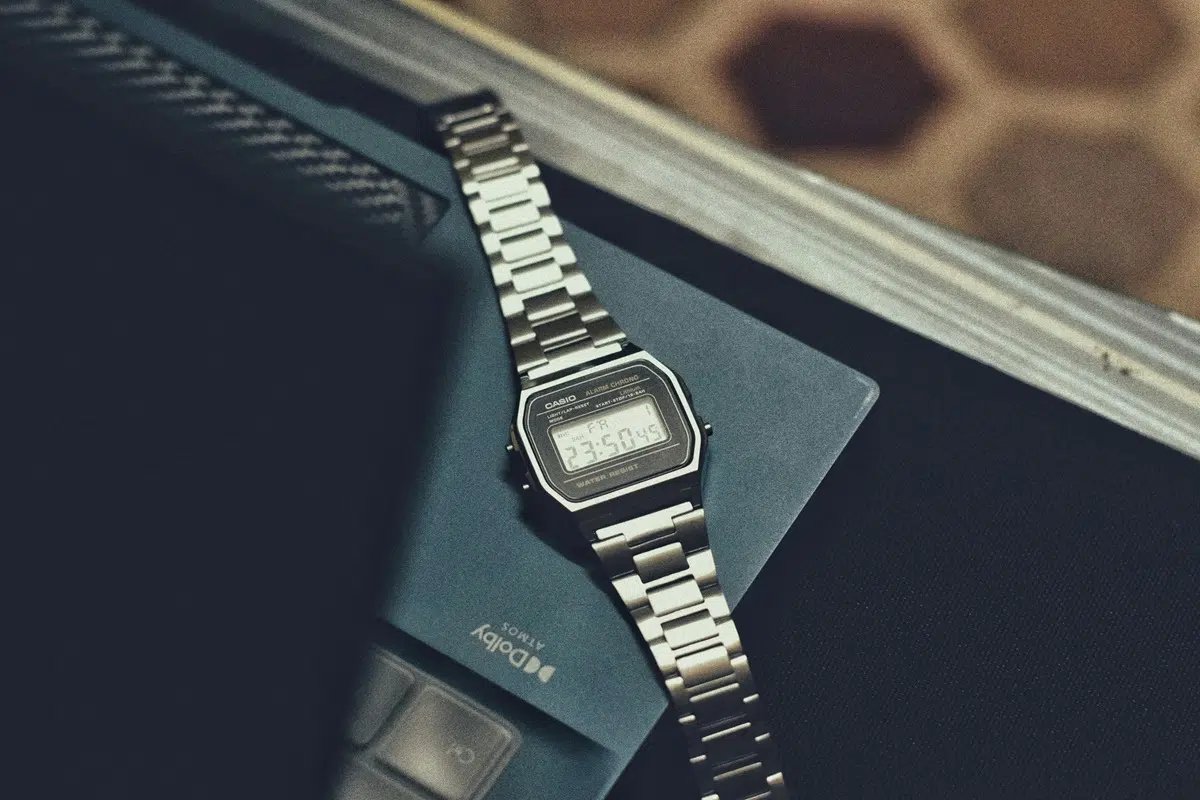
What is the True Value of Casio Watches?
For several decades, Casio has occupied a special place in the global watchmaking landscape. Both popular, accessible and technically ingenious, the Japanese brand is omnipresent on the wrists of the general public as well as among informed collectors. But behind this popularity lies a real question: what are Casio watches really worth? Today, Swiss Made
-

The Timepieces of Jeffrey Epstein
In the Who wears what? section, we have already discussed the watches worn by historical figures as controversial as Stalin, or the alleged watch of Adolf Hitler. Since we sometimes have to look at watchmaking where we least expect it, we might as well tackle today another monster of our time: Jeffrey Epstein. While browsing
-
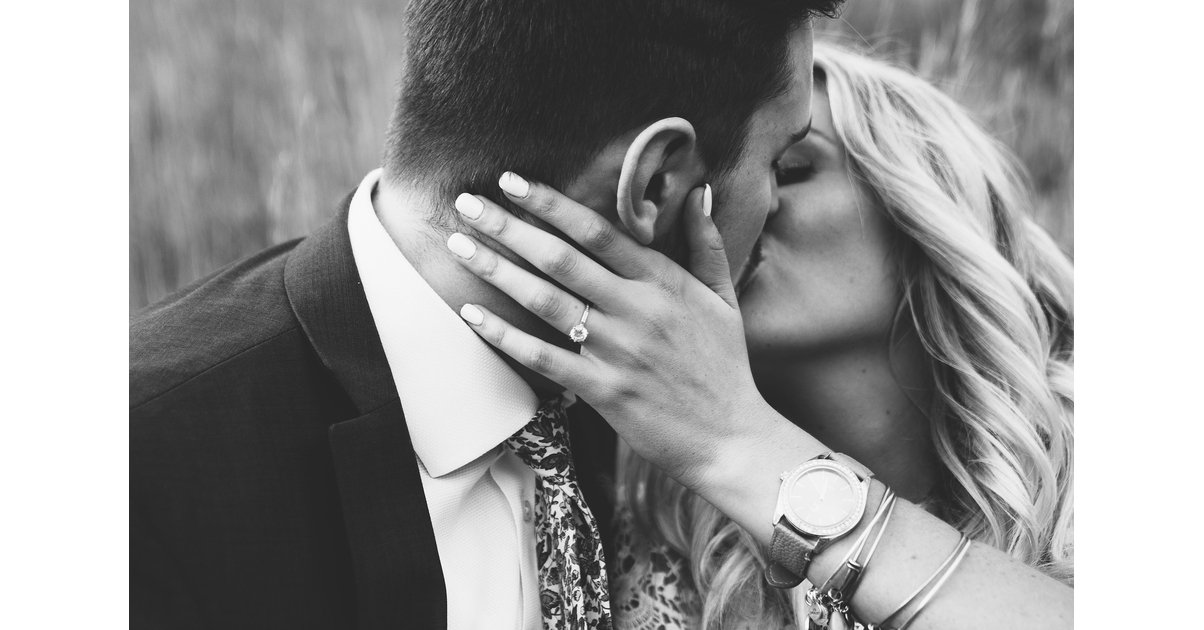
The Elegant Realm of Timepieces and Leather Accessories
Why do watches and leather goods embody luxury? Luxury has never been about price. It’s a question of time. Time to learn a trade. Time to find the right materials. Time to create something that lasts. Luxury watches and prestigious leather goods share this same philosophy. They are not mass produced. They are built. Each
-
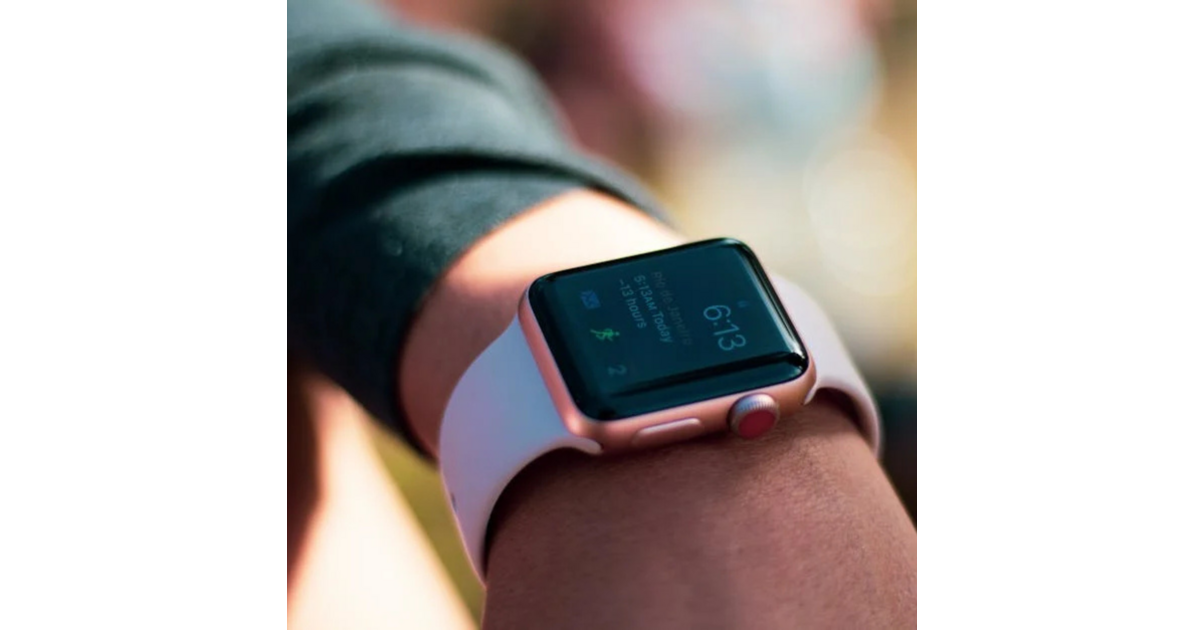
7 Best Smartwatches That Support SIM Cards
Why a connected watch with SIM card? Users want a standalone watch, capable of calling, sending messages and using the Internet without a smartphone. They are looking for a comparison, expert opinions, and practical answers to choose the right model. In which watch can you insert a SIM card? Most recent smartwatches offer either a
-
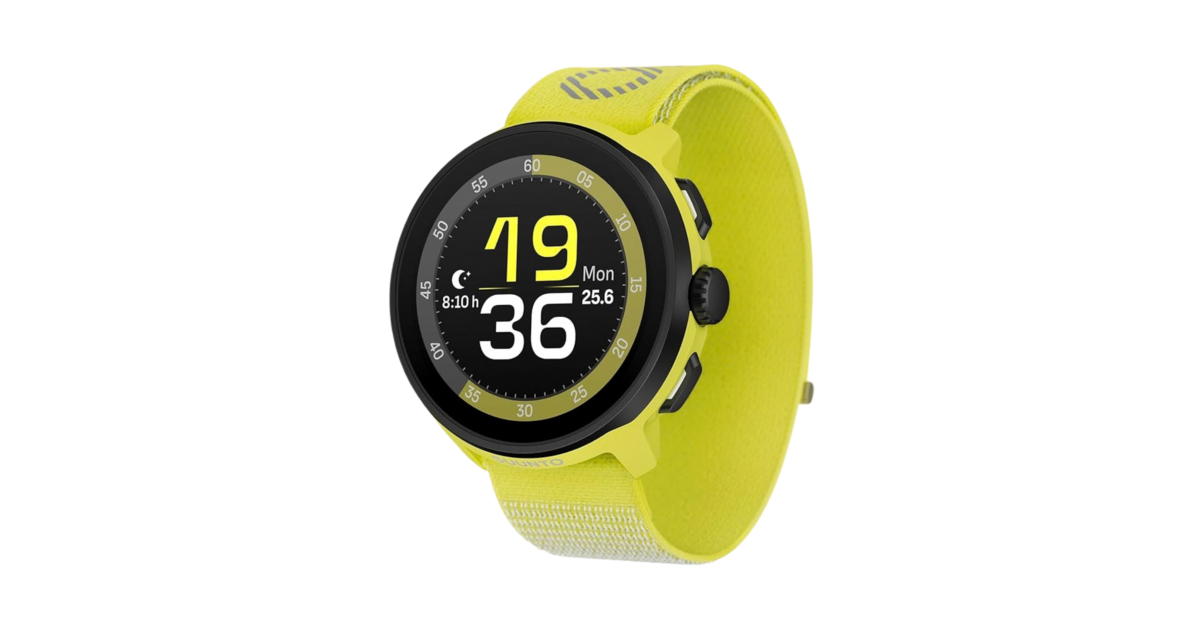
Which Running Watch? Time for Passion!
Garmin Forerunner 165: smooth interface, workouts Garmin offers an ultra-polished interface and AI-suggested workouts. Strong points: Very fluid and intuitive interface Suggested workouts (Garmin Coach) — the watch suggests workouts Mature Garmin ecosystem (Connect, Strava, TrainingPeaks) Slightly more reliable cardio sensor AMOLED screen Weak points: Single-band GPS (less precise in urban areas) No altimeter Battery
-
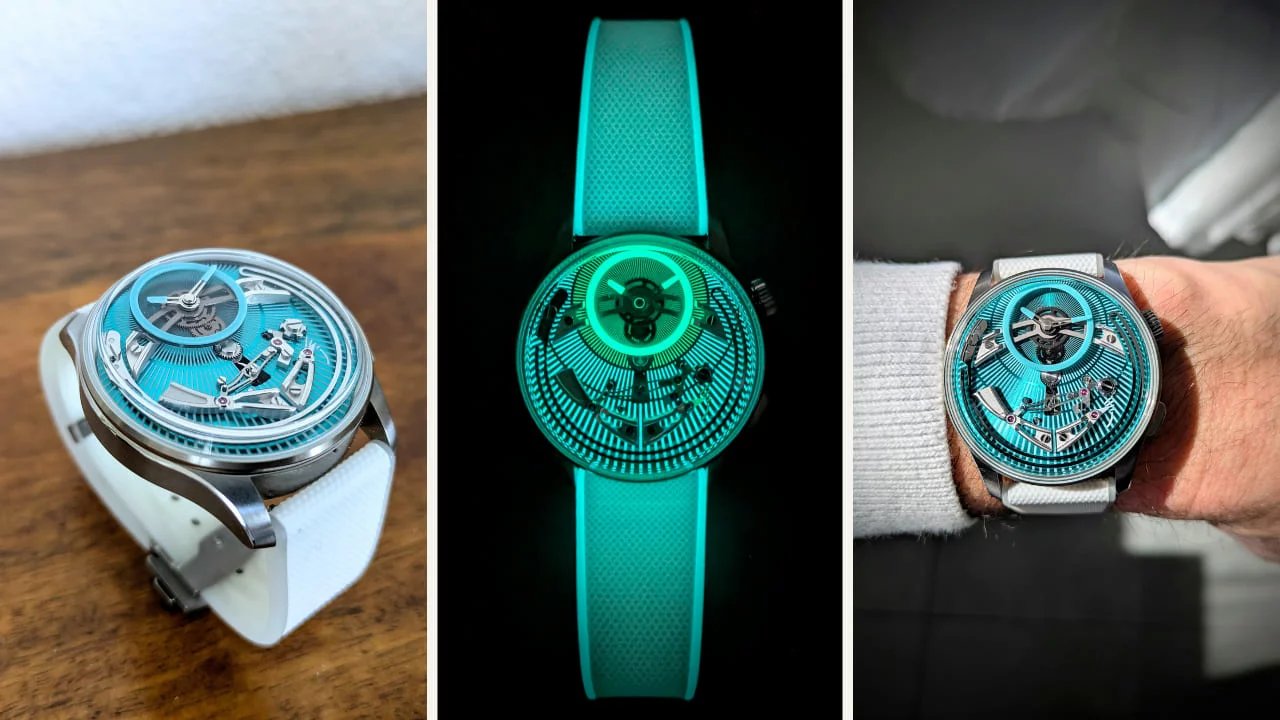
Christopher Ward C1 Bel Canto Lumière: Wrist Review, Ringing Sound, and Stunning Luminescence
There Christopher Ward C1 Bel Canto Light does not just give the time, it whispers it to us thanks to a mechanical whim which rings the passage of each hour. And once the light goes out, it transforms into an almost unreal object thanks to a very elaborate luminescence. I received this C1 Bel Canto
-
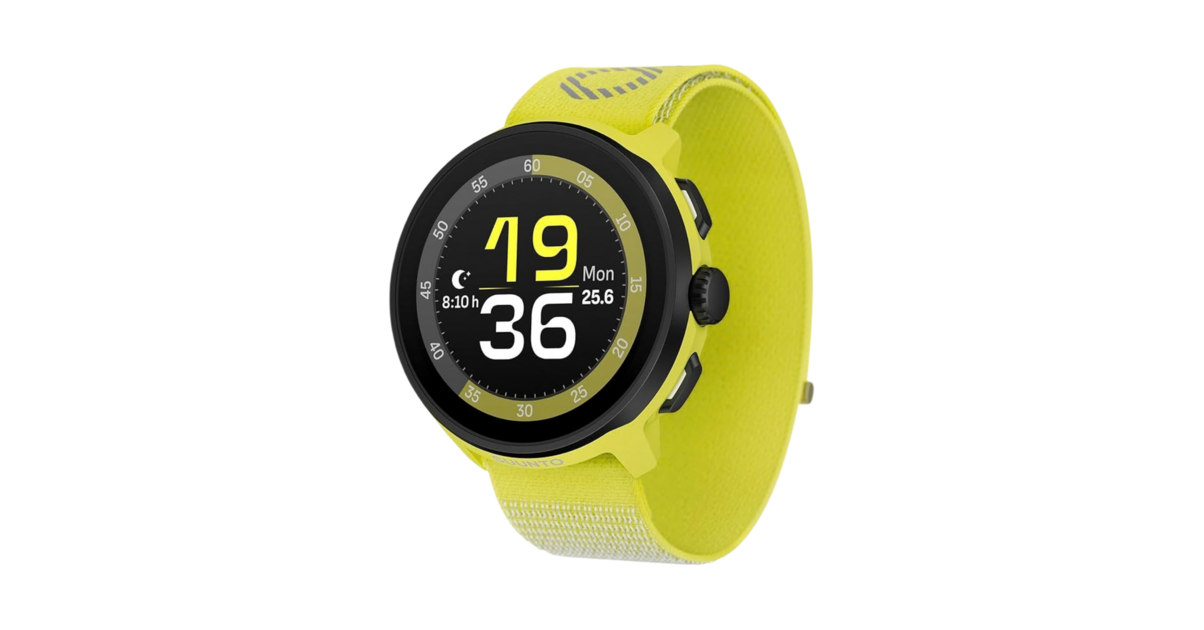
Does Suunto Run Feature Mapping? – A Buying Guide
What she suggests instead Route tracking (breadcrumbs) You create a route in the Suunto app. The watch displays a line that shows you the path to follow. Operation: The watch displays an arrow that points to the next point on the route. You follow the arrow. Advantage: simple, effective, consumes little battery. Disadvantage: you don’t
-
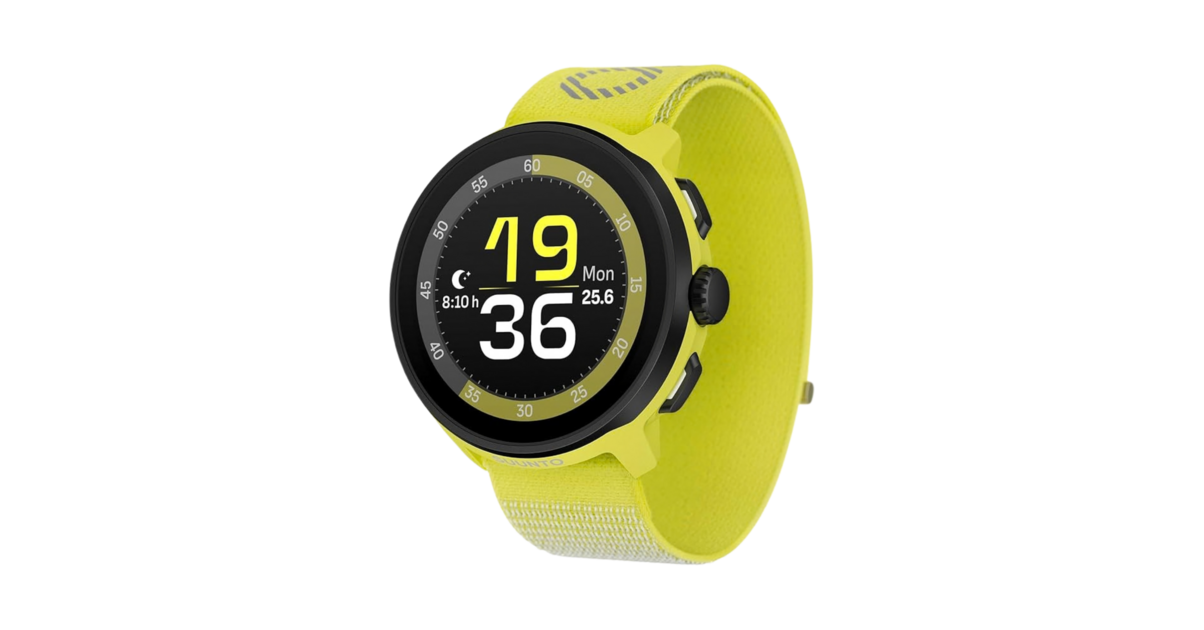
Suunto Run vs. Suunto Race S: A Comparative Analysis and Ranking
Suunto Race S: robust, mapped. The Suunto Race S targets demanding trail runners and runners. Strong points: Detailed on-board mapping Battery life 30 hours in GPS More robust case (titanium, sapphire) Repairable (unlike the Run) Larger screen (1.4″) Connected autonomy 14 days Weak points: Heavier (42g vs 35g) No MP3 player High price (349€) Less
-
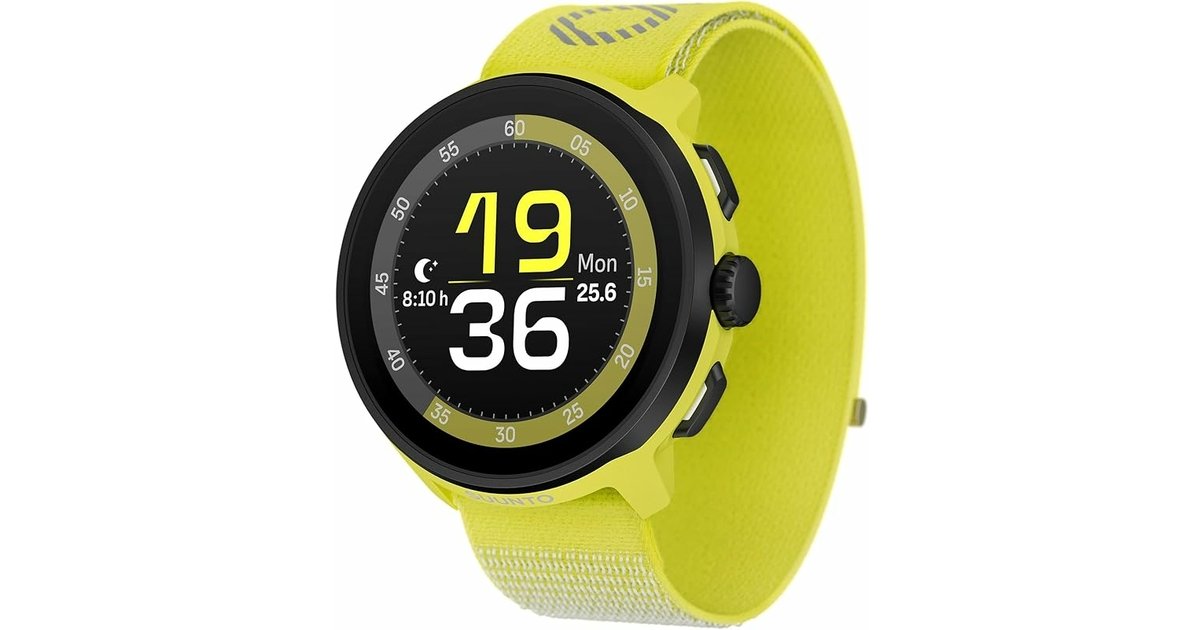
Suunto Run Review: A Comprehensive Test of Connected Watches
Navigation and outdoor features: without mapping This is the weak point. No onboard maps. But you still have: Route tracking : follow a route created in the app (breadcrumbs) Turn by turn : turn by turn indications during the race Breadcrumbs : display of the GPS track in real time Return to start : follow


