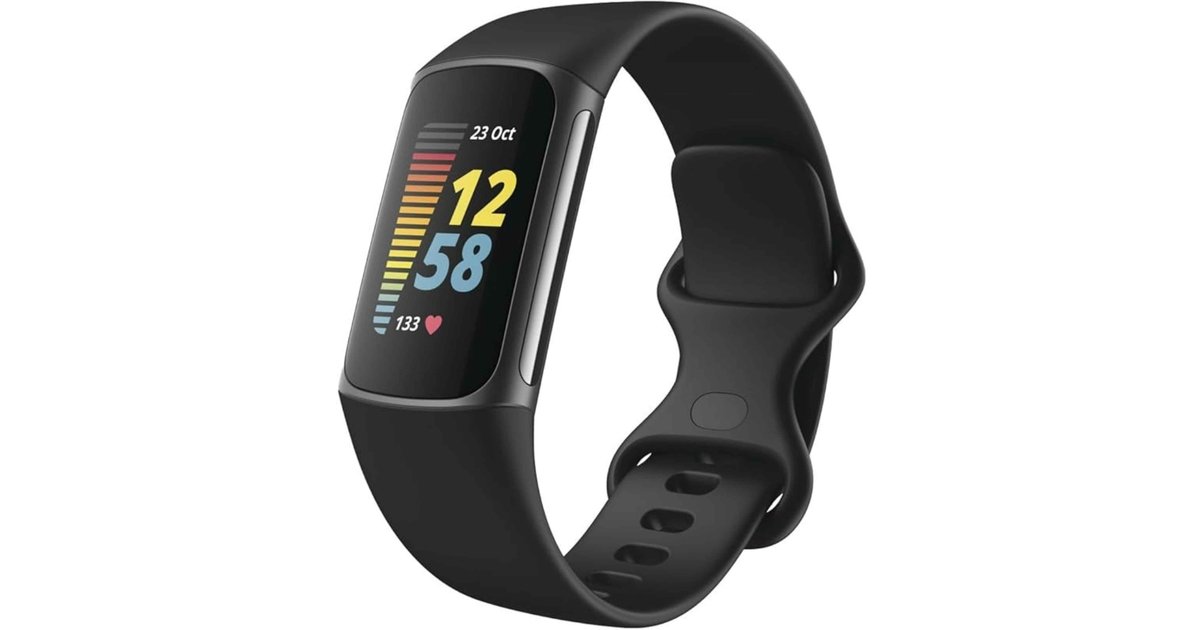
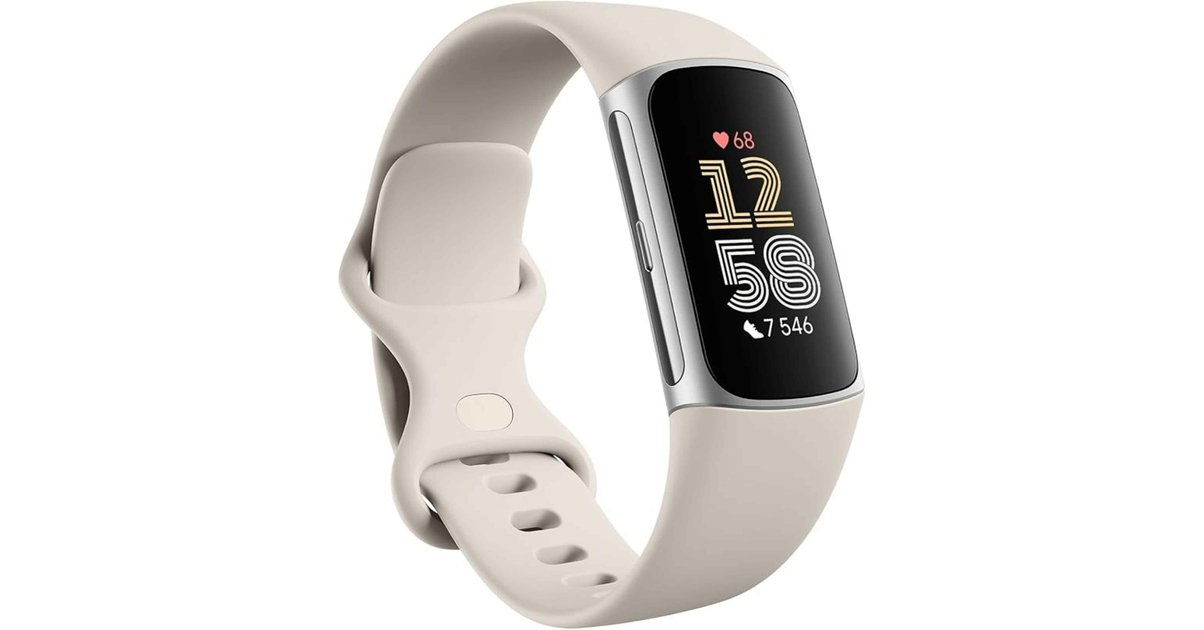
Health: clear advantage to the Fitbit Charge 6
That’s the real point.
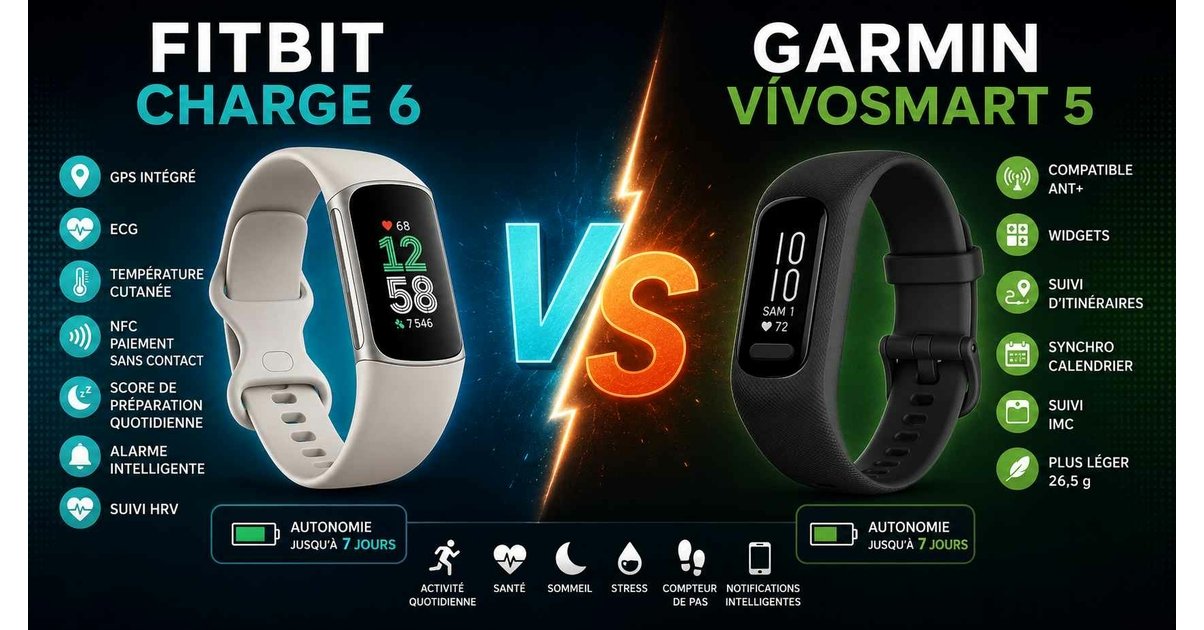
If your priority is health monitoring, the Fitbit Charge 6 takes a significant lead.
- ECG
- skin temperature monitoring
- EDA stress measurement
- heart rate variability (HRV)
- detailed sleep tracking
- daily readiness score
- irregular heartbeat alerts
Several users highlight the wealth of health data offered by Fitbit. Some particularly appreciate the sleep monitoring, ECG and heart functions.
The Garmin Vivosmart 5 remains relevant for:
- heart rate
- stress
- the Body Battery
- sleep
- daily monitoring
But it lacks several advanced tools that are now found at Fitbit.
For someone who monitors their health or wants to have as much physiological information as possible, the Charge 6 appears more comprehensive.
Sport and physical activity: it depends on the profile
The answer here is not so simple.
The Fitbit Charge 6 has integrated GPS. This is a huge advantage.
You can go running without a phone while recording your journey.
The Garmin Vivosmart 5 depends on the smartphone’s GPS.
For runners, brisk walkers or occasional hikers, the Fitbit is therefore more practical.
- route tracking
- pace in real time
- varied sporting profiles
- automatic activity detection
However, Garmin maintains a solid reputation among athletes.
The Garmin Connect application remains one of the industry benchmarks. Many users appreciate the detailed statistics, training analyzes and long-term tracking possibilities.
The paradox is interesting.
The Fitbit bracelet is better.
The Garmin ecosystem often remains preferred by regular athletes.