Table of Contents
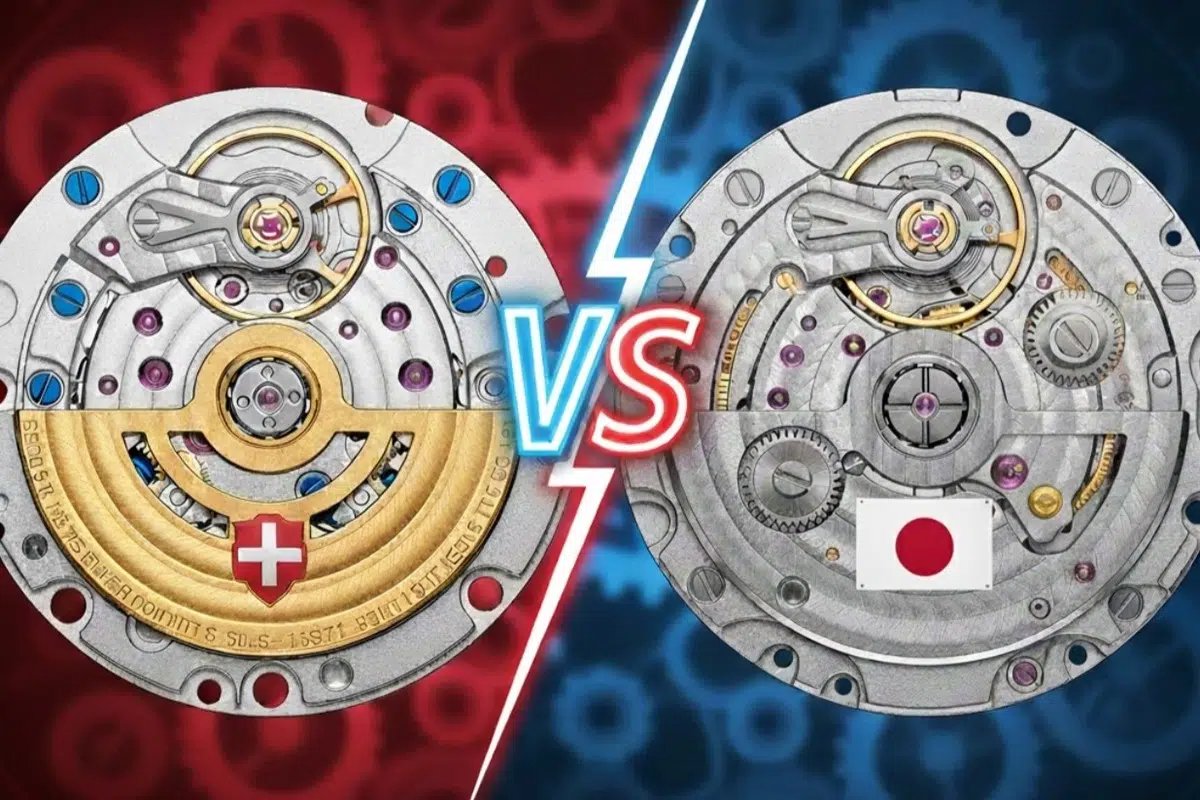
When we are closely interested in watchmaking, a question comes up very often… Is it better to choose a Swiss movement or a Japanese movement? Behind this debate lie technical, cultural and industrial realities that are much more nuanced than they appear. Before deciding, we still need to understand what really differentiates these movements, and especially what they bring to everyday life.
Quartz or mechanical: a first essential distinction
Before even comparing Switzerland and Japan, it is essential to distinguish quartz movements from mechanical movements….
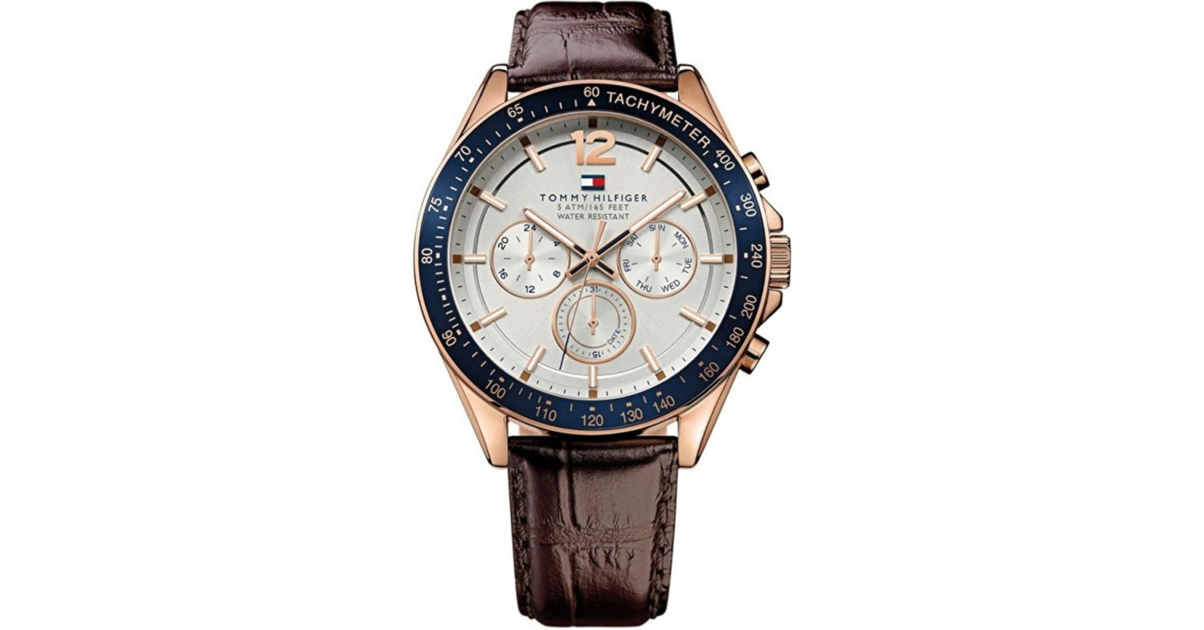
A quartz watch works using a battery and an electronic oscillator, offering remarkable precision and great ease of use. A quartz movement requires little maintenance, displays excellent regularity and is ideal for everyday use without constraints.
Conversely, a mechanical watch is based on a completely mechanical mechanism. Winding is carried out using wrist movements, via an oscillating weight. The automatic movement seduces with its complexity, the ancestral know-how from which it comes and the almost emotional pleasure it provides. It embodies a certain idea of traditional watchmaking.
To learn more on the subject, discover our article “Mechanical watch or quartz watch: what to choose?”.
The big names of the Swiss and Japanese movements
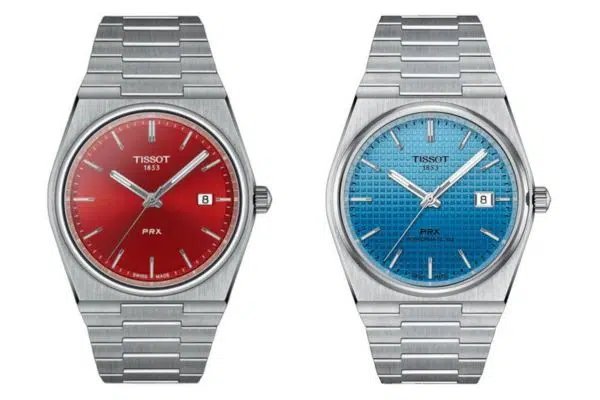
On the Swiss side, several manufacturers have stood out for decades. ETA / Valjoux is undoubtedly the best known, supplying reliable and proven calibers to many brands. Sellita has established itself as a major alternative, while Ronda is particularly renowned for its precise and robust quartz movements.
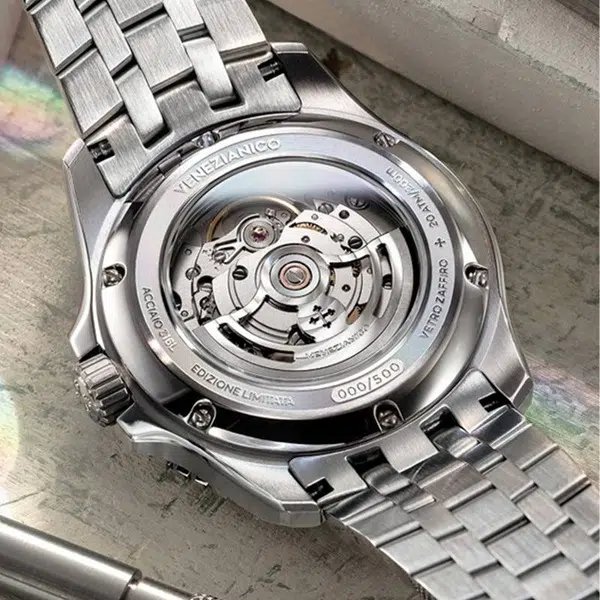
But Japan occupies an equally important place in the watch industry! Miyotaa subsidiary of the Citizen group, equips a large number of watches around the world. Seiko and its subsidiary TMI also produce calibers recognized for their reliability, longevity and excellent performance/price ratio.
Note: Swiss watches are often equipped with a Swiss movement while Japanese watches are often equipped with a Japanese movement. On the other hand, watches from French or German brands can contain a Swiss caliber as well as a Japanese caliber.
Perceived quality: a question of reputation (more than reality)
In the collective imagination, the swiss watch is often associated with superior quality. This reputation can be explained by centuries of watchmaking history, a strict regulatory framework and a carefully maintained prestigious image. A Swiss women’s watch or a Swiss men’s watch evokes, for many of us, a certain idea of precision and tradition.
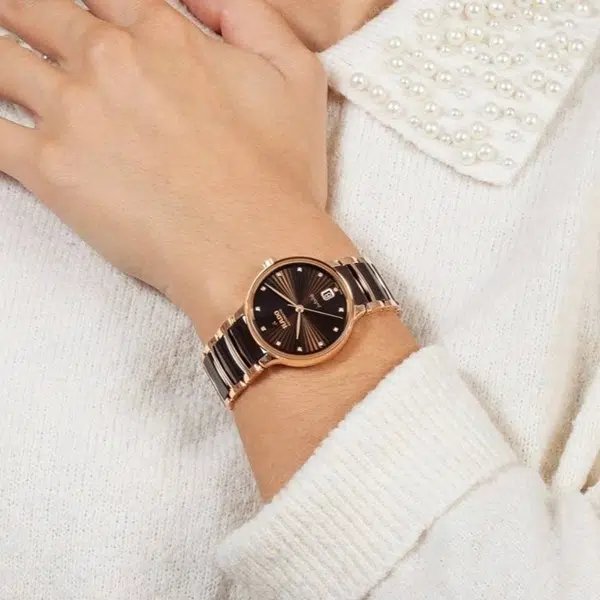
However, Japanese movements are also a guarantee of high quality! A japanese watch is generally based on a pragmatic design, favoring robustness and stability over time. Many watchmakers and collectors recognize that certain Japanese calibers easily compete with their Swiss equivalents.
Why are Swiss movements often more high-end?
Swiss movements are frequently associated with watches positioned at the high end. This reality is explained by high production costs, strict standards and a high valuation of artisanal work. This is particularly true for mechanical movements with manual and automatic winding.
Swiss brands invest a lot in finishes, caliber architecture and the development of exclusive movements. Conversely, Japanese movements benefit from controlled industrialization which makes it possible to offer reliable mechanical watches at more accessible prices.
Swiss movement or Japanese movement: what to choose according to your profile?

The choice depends above all on your expectations. If you are sensitive to history, prestige and traditional finishes, a Swiss movement will probably meet your desires more. It embodies a certain vision of watchmaking luxury!
If you value reliability, precision and durability without excessive constraints, a Japanese movement represents an equally relevant alternative. Japanese calibers are renowned for their consistency and their ability to withstand intensive use.
You will have understood that opposing the Swiss movement and the Japanese movement ultimately makes little sense. Both approaches are based on strong traditions and recognized know-how. Where Switzerland cultivates its brand image, Japan excels in industrial precision and long-term reliability.
Rather than looking for a vain winner, it is better to ask yourself what you really want from your watch. Because in the end, whether Swiss or Japanese, a well-designed watch remains above all a beautiful object designed to be worn and appreciated on a daily basis.